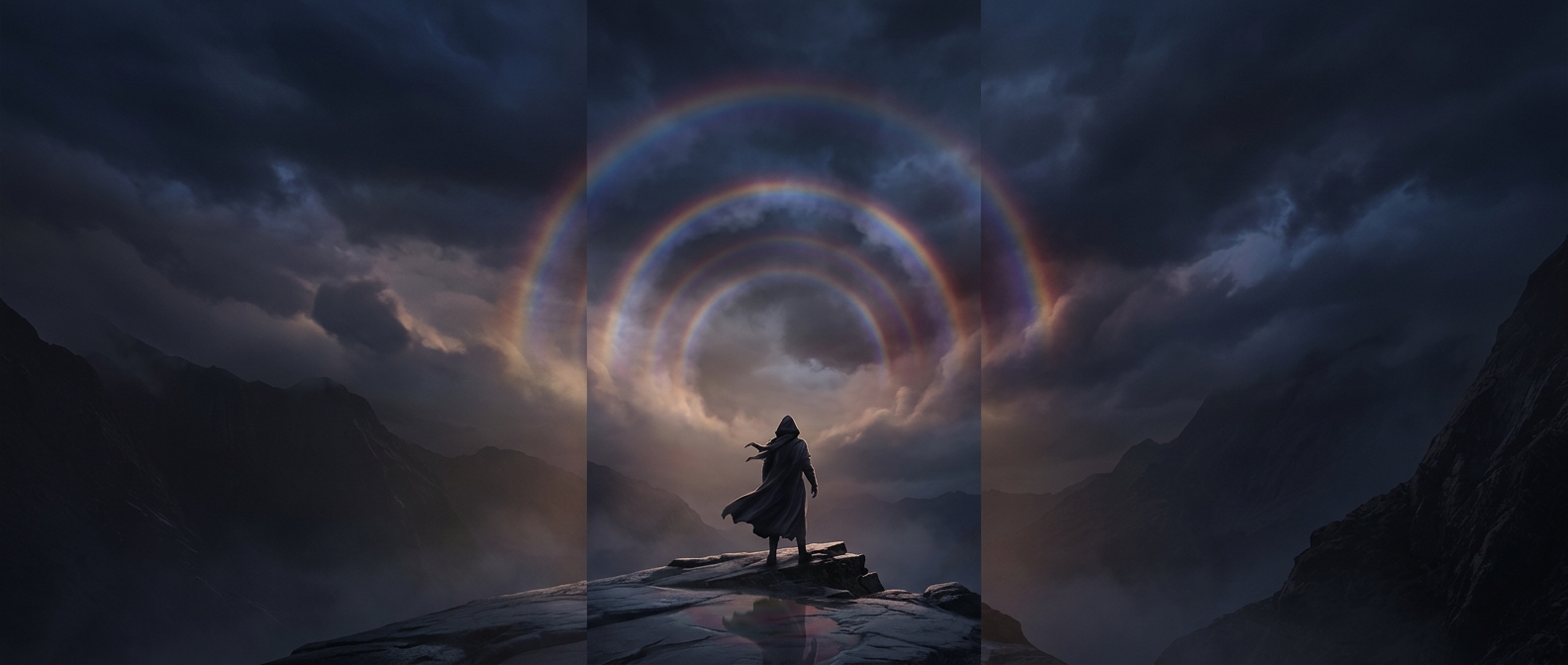
A rainbow could be treated as a presence, not a spectacle
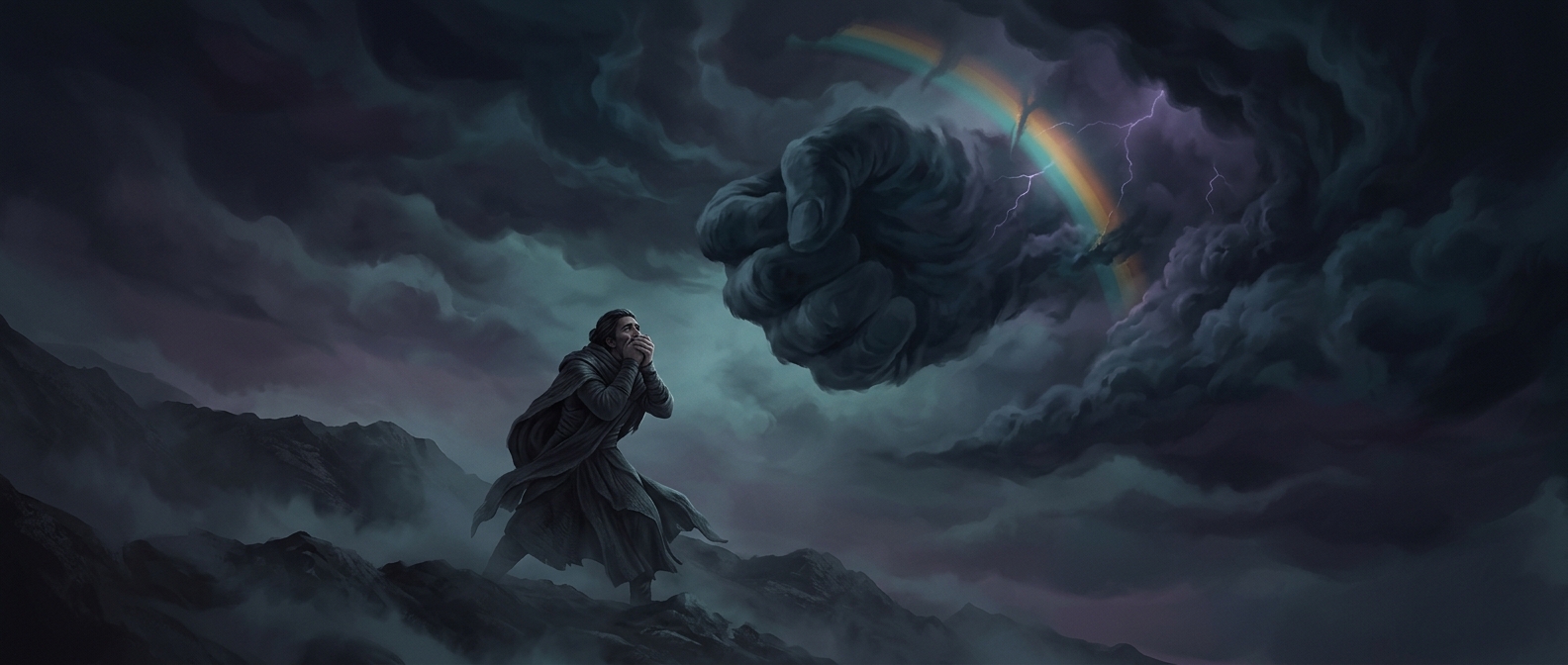
In some traditions, a rainbow was understood as connected to powerful beings or forces in the sky. Under that view, pointing at it or calling it out was more than noticing a beautiful sight: it could count as addressing, challenging, or showing disrespect to its guardians. The warning that its colors might vanish gave that boundary a memorable consequence.
A rule for how to meet the extraordinary
Such cautions turn an ordinary human impulse—drawing someone’s attention to a striking sight—into a question of etiquette. If a rainbow is a presence rather than scenery, the respectful response may be to let it pass without claiming it through a gesture or a name. The precise meaning differs across communities and historical accounts; there is no single Indigenous belief about rainbows.
The story’s force comes from the rainbow itself: it appears briefly and disappears without warning. A reminder not to call attention to it makes that vanishing feel like an answer from the sky.