A demo that became the defining vocal
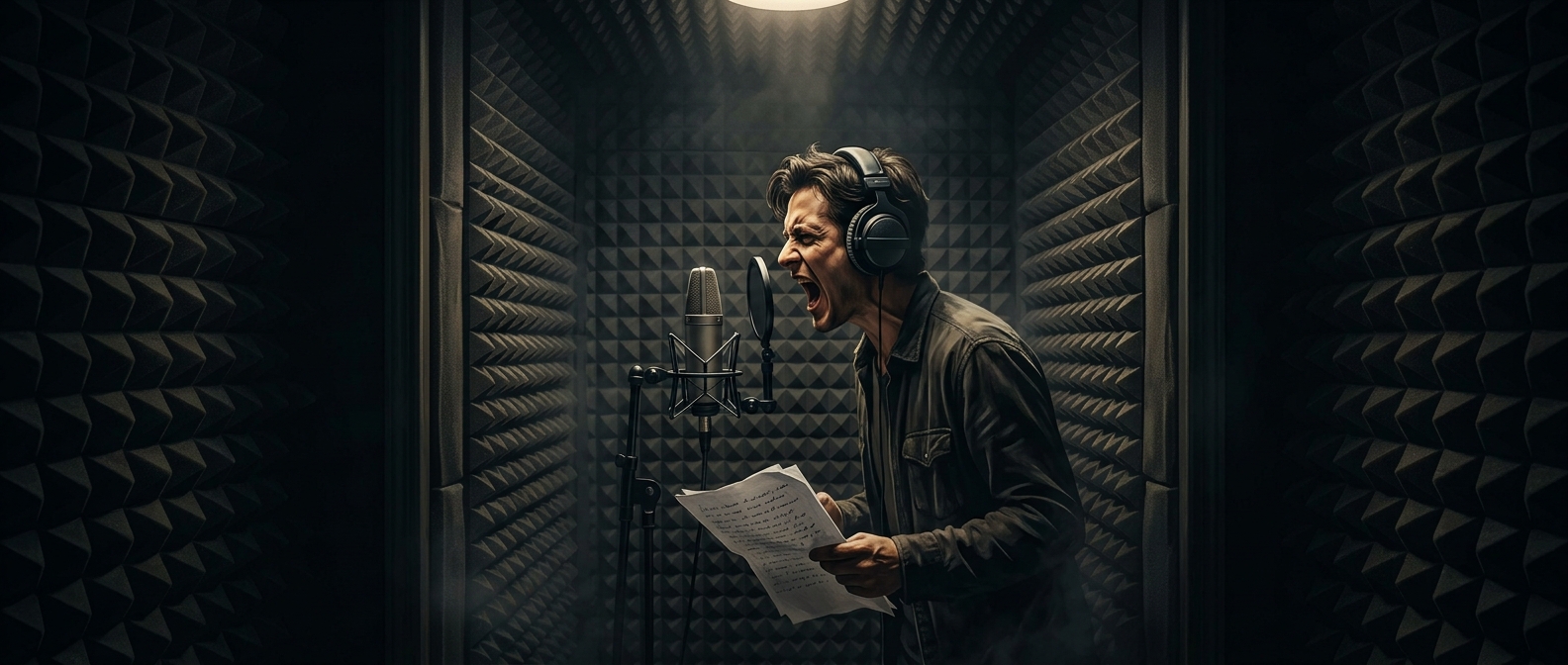
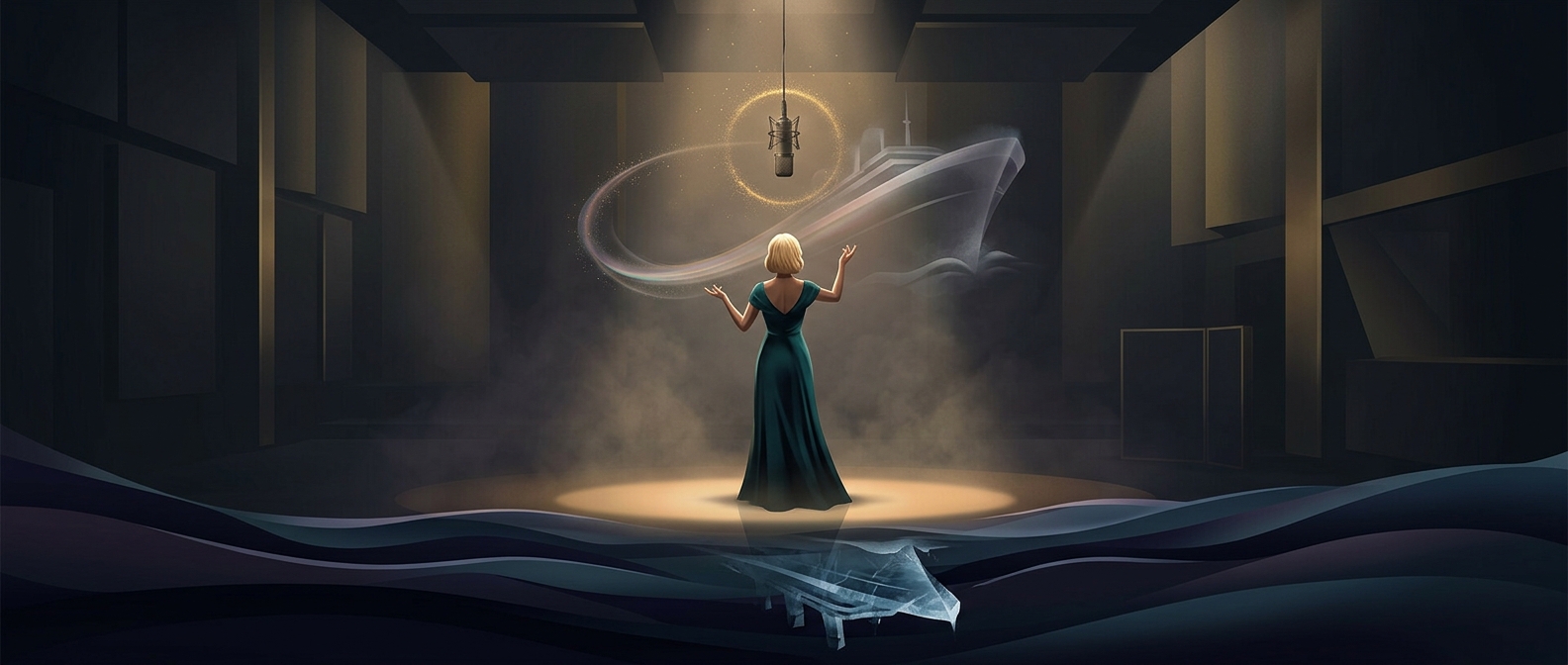
“My Heart Will Go On” began as a test recording, not as a carefully planned marathon in the studio. Composer James Horner wanted Celine Dion to try the song for Titanic. Dion later said she was reluctant, but agreed to record a rough demo. She sang it once—and that performance was kept for the finished recording.
A demo is a preliminary recording made to show how a song might sound, rather than a promise that the performance is final. In this case, the supposedly temporary vocal already carried the qualities the song needed: a controlled opening, a gradual rise in intensity, and a climactic finish. Re-recording it could have produced a more polished take, but not necessarily a more affecting one.
Why one take was enough
The “one take” refers to Dion’s vocal performance, not to every instrument or production step in the finished track. The arrangement and studio work gave the demo its final setting, but the central vocal remained the spontaneous first attempt. That distinction matters: a song can be assembled and refined around a single vocal take without the whole recording being completed in one pass.
The story also captures a practical studio truth. A demo is meant to help people decide whether a song works; sometimes the first performance answers that question so completely that it becomes the version listeners hear. What began as a reluctant trial for a film song became the recording’s emotional center.