How farm support becomes a “subsidy per cow”
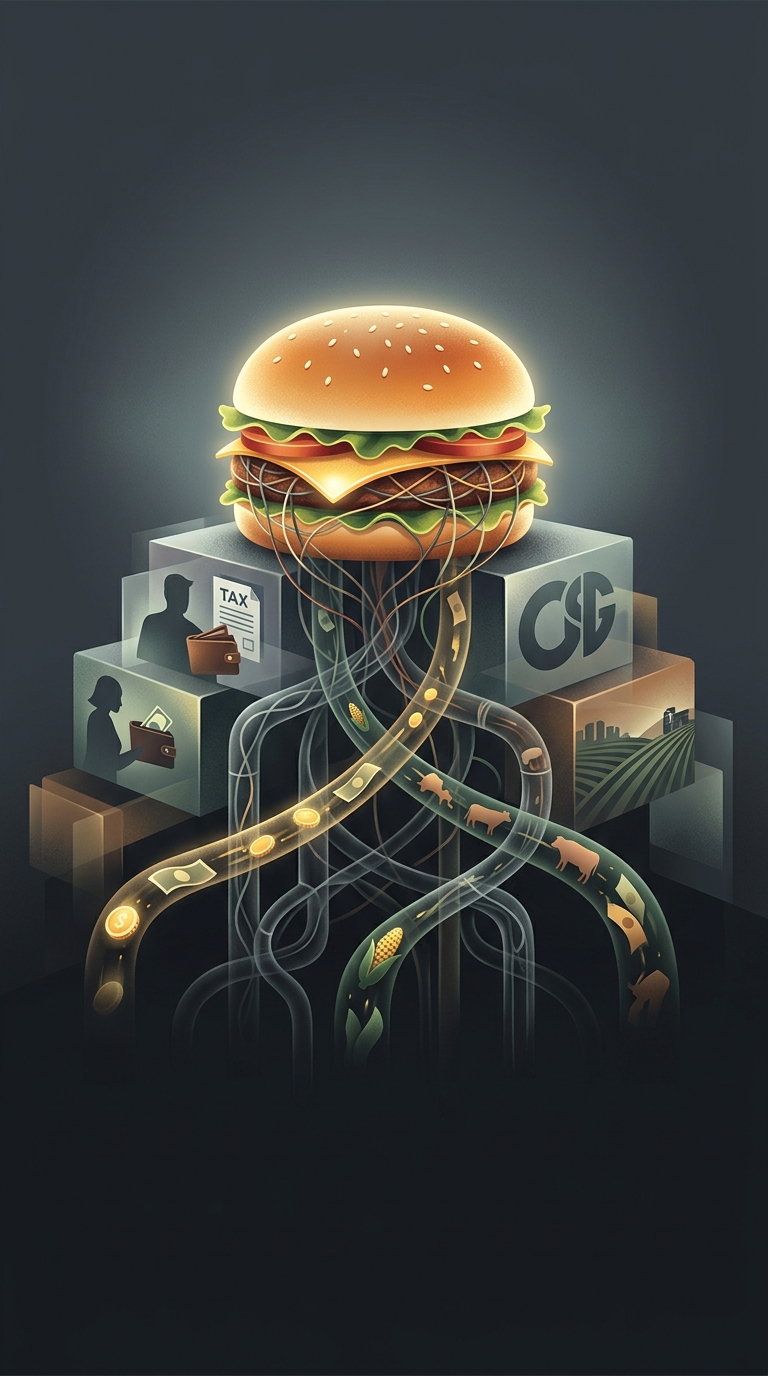
A subsidy is public money or other government support intended to lower the cost or risk of producing something. In agriculture, that support may reach a dairy farmer through payments tied to land, livestock, production, or broader farm programs. Dividing the support by the number of cows can produce a striking daily comparison—but it does not necessarily mean a farmer receives a separate cash payment for each cow every morning.
The comparison with what people earn is a way to show scale: a relatively small number of animals can be backed by substantial public spending, while many people live on very low incomes. It compares a farm-sector support figure with personal earnings, not two equivalent kinds of income.
Why governments support dairy farms
Dairy production requires costly equipment, feed, land, and regular animal care, while milk prices and production costs can shift. Support can help farms withstand those swings and keep domestic production viable. It may also serve broader policy aims, such as sustaining rural communities or maintaining a reliable food supply.
But assistance changes the economics of competition. If public support lets a producer absorb lower prices or keep operating through a difficult period, that producer may be able to sell more cheaply or more reliably than an unsubsidized rival. The support does not automatically determine the final price of milk, but it can alter which producers can compete and for how long.
The consequence beyond Europe
That difference matters to farmers in places where public budgets cannot offer comparable help. They may face products backed by support even when their own costs are similar—or lower—yet have fewer ways to withstand price drops. A payment meant to steady one region’s farms can therefore shift pressure onto producers elsewhere, making farm support both a domestic safety net and an international trade issue.