How a dairy safety net became a storage problem
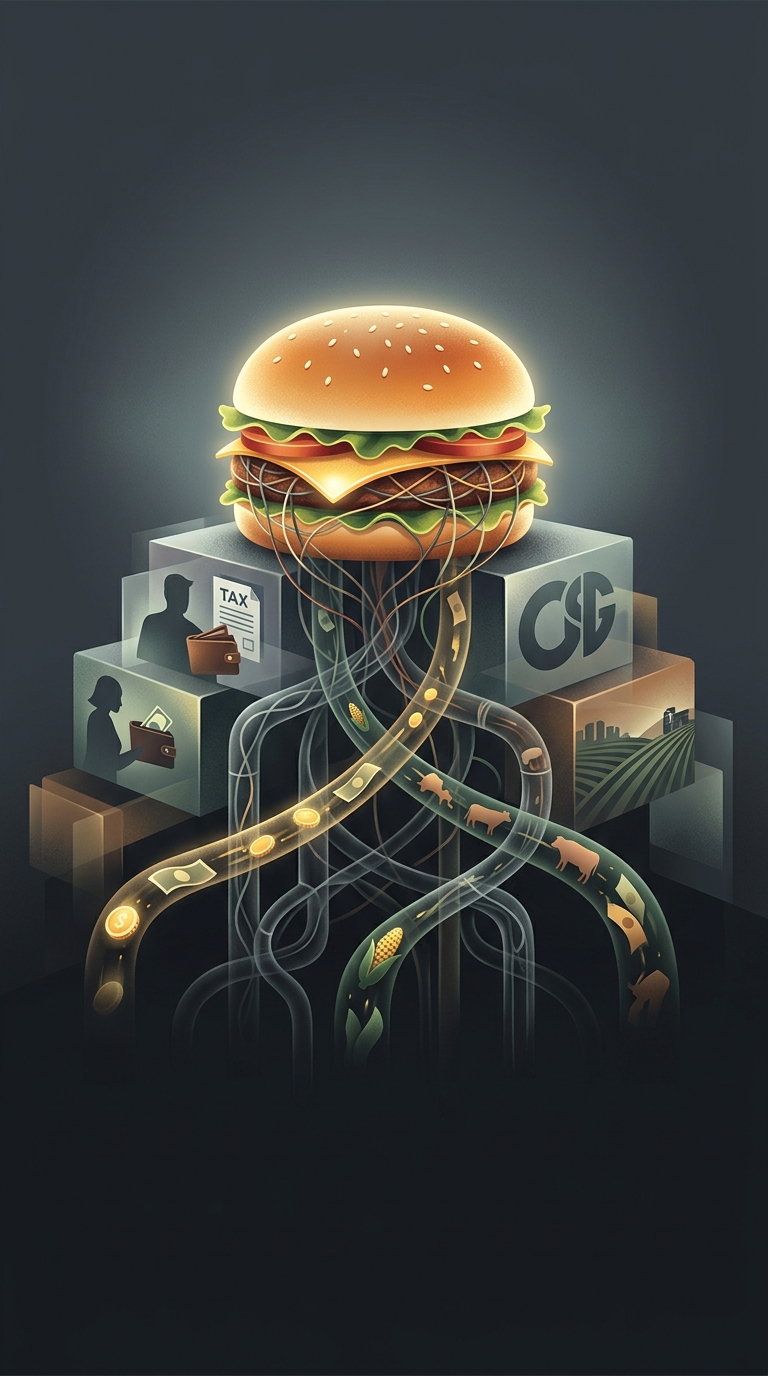
When milk production exceeded what buyers would take, federal farm programs could support dairy prices by purchasing products such as cheese, butter, and powdered milk. That protected farmers from a sudden collapse in prices, but it also shifted the surplus onto the government’s books. Cheese lasts far longer than fresh milk, making it a practical way to absorb excess production—though not a cost-free one.
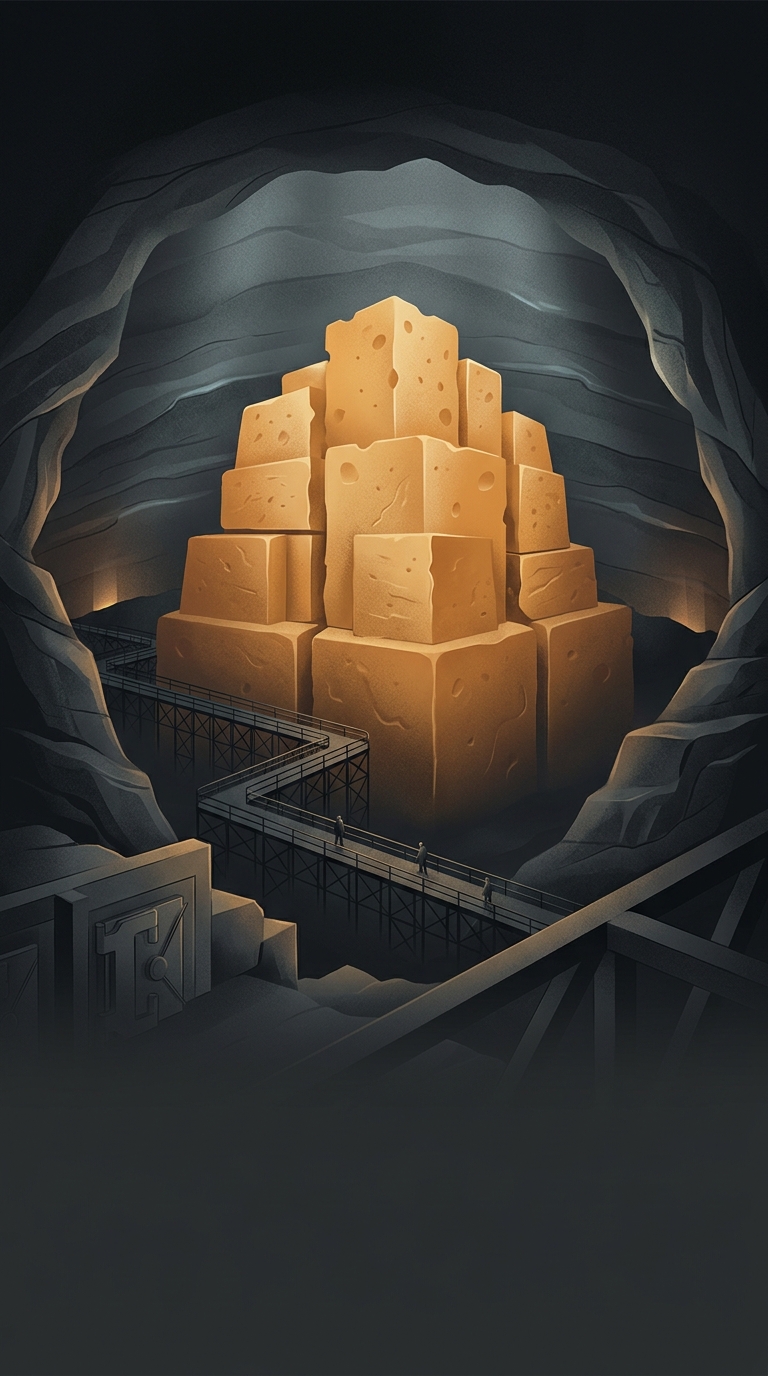
The purchases created a feedback loop: a policy designed to steady the market could leave the government paying to buy, preserve, and store more dairy than consumers wanted at prevailing prices. Large underground facilities, including converted limestone mines in Missouri, offered cool, spacious storage for products that needed to be kept at controlled temperatures.
Why “government cheese” became familiar
By the early 1980s, federal dairy holdings had grown so large that the government began distributing surplus cheese to people in need. The food became widely known as “government cheese.” Distribution reduced the stockpile and put usable food into households, but it was also a visible sign of the tradeoff in price-support programs: buying excess production can stabilize farmers’ incomes while leaving taxpayers responsible for what the market does not absorb.
The enormous figures attached to the story need a time frame. The government did accumulate a historic cheese surplus, but the claim that it currently sits on roughly 1.4 billion pounds in Missouri mines is not a reliable description of today’s federal holdings. The striking reality is the policy mechanism: once the government guarantees a market for surplus, it may inherit the job of storing—or finding people to eat—the excess.