A cosmic name, not a cosmic code
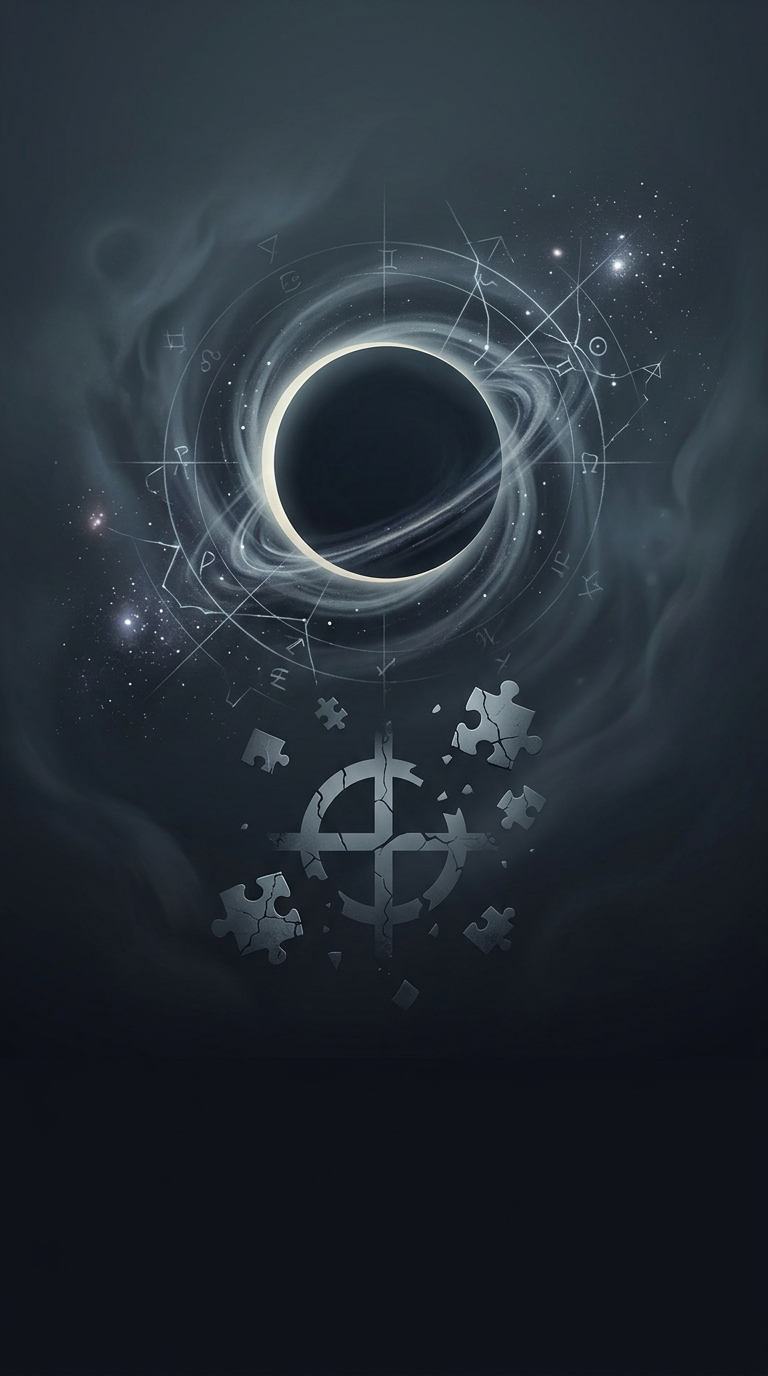
The Zodiac Killer’s name and cross-circle emblem invited people to look for meaning in the stars. But a suggestive label is not the same thing as astrological content. The ciphers associated with the case were puzzles made from encoded text; solving one means recovering its message, not discovering a hidden horoscope.
That distinction matters because symbols can carry more atmosphere than information. A circle crossed by lines can look like a celestial sign, and “Zodiac” evokes the band of constellations used in astrology. Yet those associations do not establish that the killer was applying astrological rules or embedding a birth chart in his messages. The ciphers did not turn out to be treatises on astrology.
Why the charts cannot settle the case
A birth chart maps the positions of celestial bodies at a person’s birth, usually using a date, time, and place. To compare charts meaningfully, an investigator would first need reliable birth details for a suspect—and independent evidence connecting that person to the crimes. A chart cannot supply either one.
There is also a practical problem: astrological readings are interpretive. If a person begins with a suspect and searches a chart for a fitting trait, many possible descriptions can seem to match. That makes chart-reading a poor way to distinguish one person from another, especially when the suspect pool is large and the killer’s identity remains unproved.
The clue is the evidence, not the mood
The Zodiac’s theatrical imagery helped make the case feel like a puzzle about cosmic forces. But atmosphere can steer attention away from what a cipher can actually show: the text recovered from it, and any independently testable information in that text. A symbol may shape a mystery’s mythology without providing a reliable key to its solution.