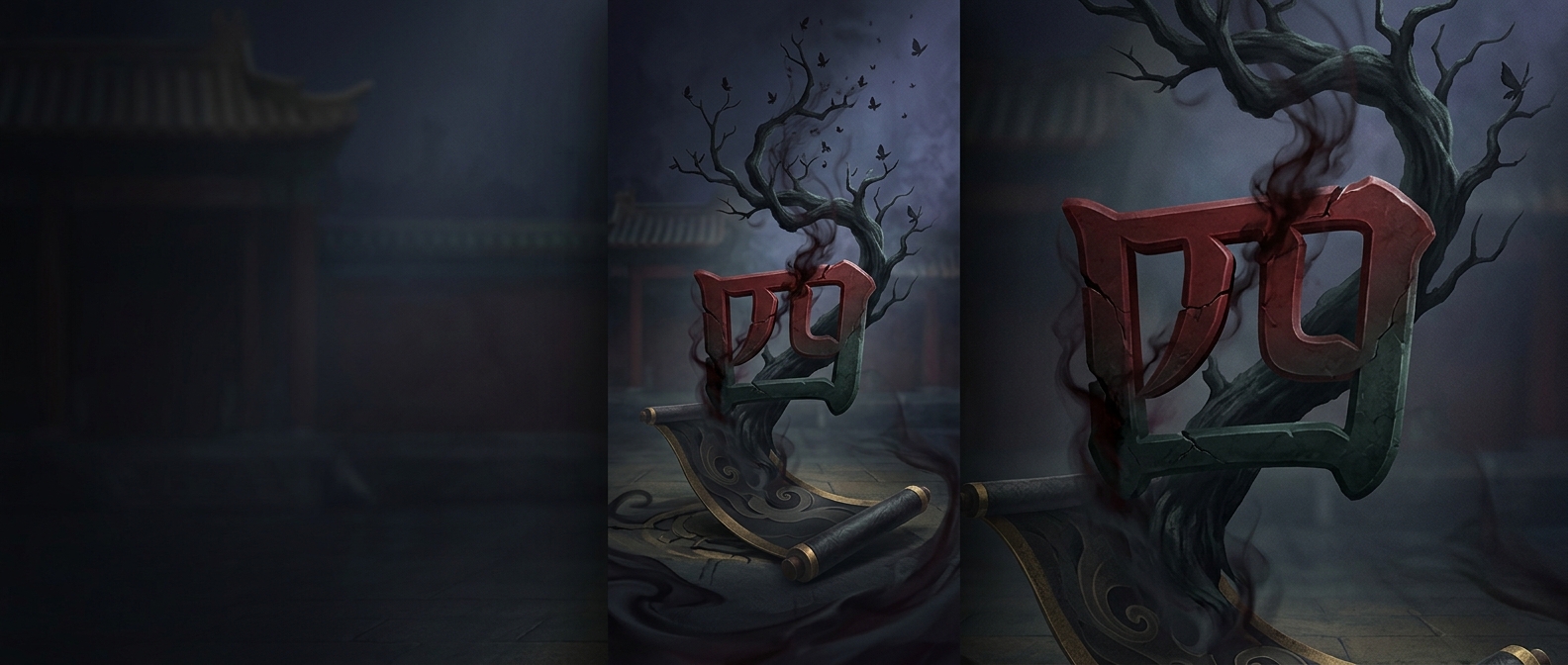
Why the Number Four Can Feel Unlucky in Mandarin
The association begins with a close sound match. In Mandarin, sì means “four,” while sǐ means “death.” They share the same consonants and vowel, but not the same tone: sì has a falling tone, while sǐ has a dipping tone. Tone matters in Mandarin, so these are distinct words—not exact homophones. Still, in quick speech or a string of digits, the resemblance can be hard to ignore.
A Sound Becomes a Practical Choice
That resemblance gives four an ominous association for some Chinese speakers. When choosing a phone number, a property address, or a floor number, a person may prefer to avoid it, especially if the number is repeated or appears in an otherwise meaningful sequence. Businesses may also take such preferences into account when presenting numbers to customers.
The effect is a matter of cultural convention, not a universal rule. Many people use four without concern, and preferences vary by person and setting. The number can even be treated differently when it appears alongside other digits that change the overall impression.
What makes the custom memorable is how a small feature of speech can shape everyday decisions: a tone distinguishes “four” from “death,” but the near-match can still influence which number someone wants on a door or in a phone contact.