Why Wikipedia began with a greeting
On January 15, 2001, Jimmy Wales launched Wikipedia by making its first edit: “Hello, World!” The phrase is a familiar first program for new programmers, a tiny test that confirms a computer can accept an instruction and display a result. On a blank collaborative encyclopedia, it served a similar purpose: the database was no longer merely ready to use; someone had begun writing in it.
From a blank page to a shared reference
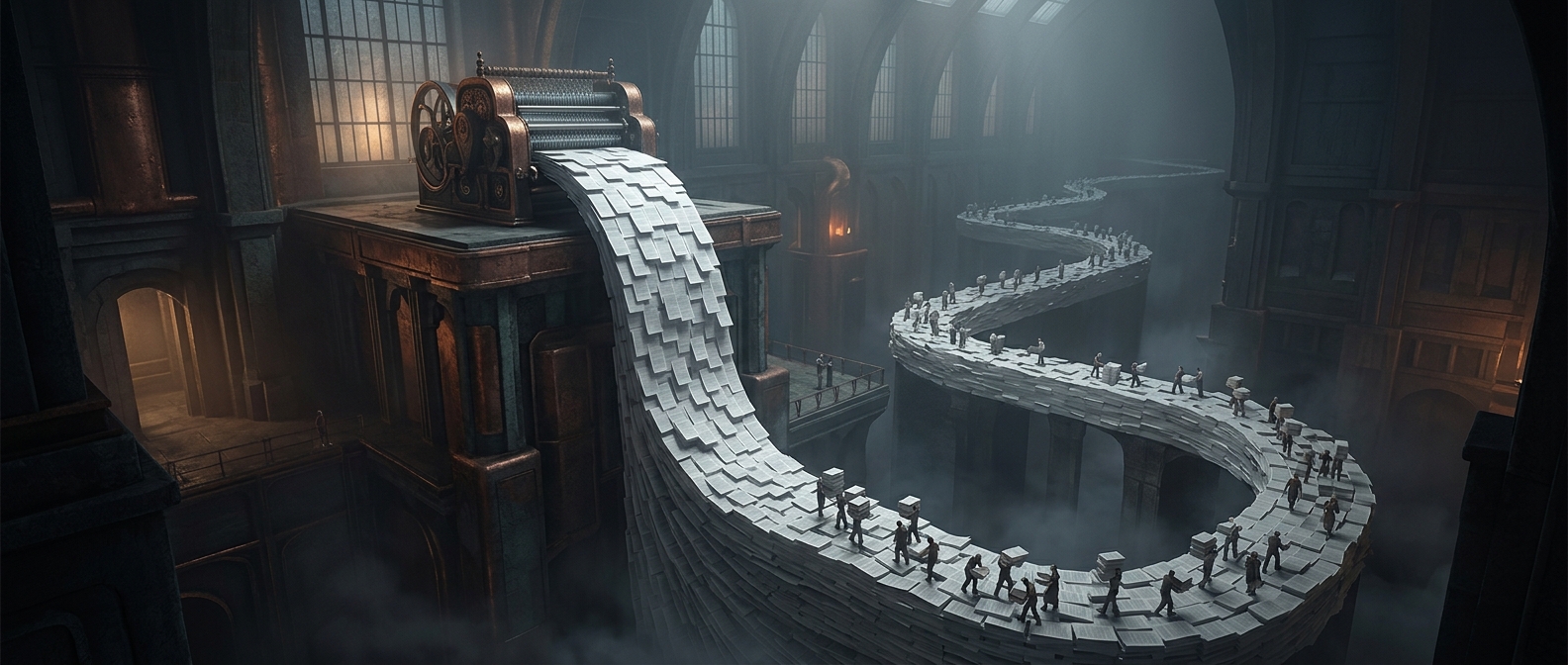
Wikipedia’s defining mechanism is that readers can also become editors. A person can change an article, and later contributors can revise that change, add context, or challenge its wording. That makes the site less like a book completed by a single author and more like a public draft with a record of successive edits.
The arrangement makes growth possible without requiring one central team to write every entry. But it also means that an article’s language is continually negotiated. Contributors may disagree over which details matter, how to describe them neutrally, or whether a sentence gives one interpretation too much weight. Even a movie plot summary can prompt debate: deciding what to include and how to phrase it is an editorial choice, not just a matter of recounting events.
The first edit became a fitting beginning
“Hello, World!” was not a blueprint for how the encyclopedia would settle disputes. It was simply the first mark in a space that others could keep changing. The contrast is part of Wikipedia’s story: a two-word greeting opened a project whose articles would grow through many hands—and whose wording would remain open to argument long after the blank database disappeared.