A Missing Save Became a Character’s Cue
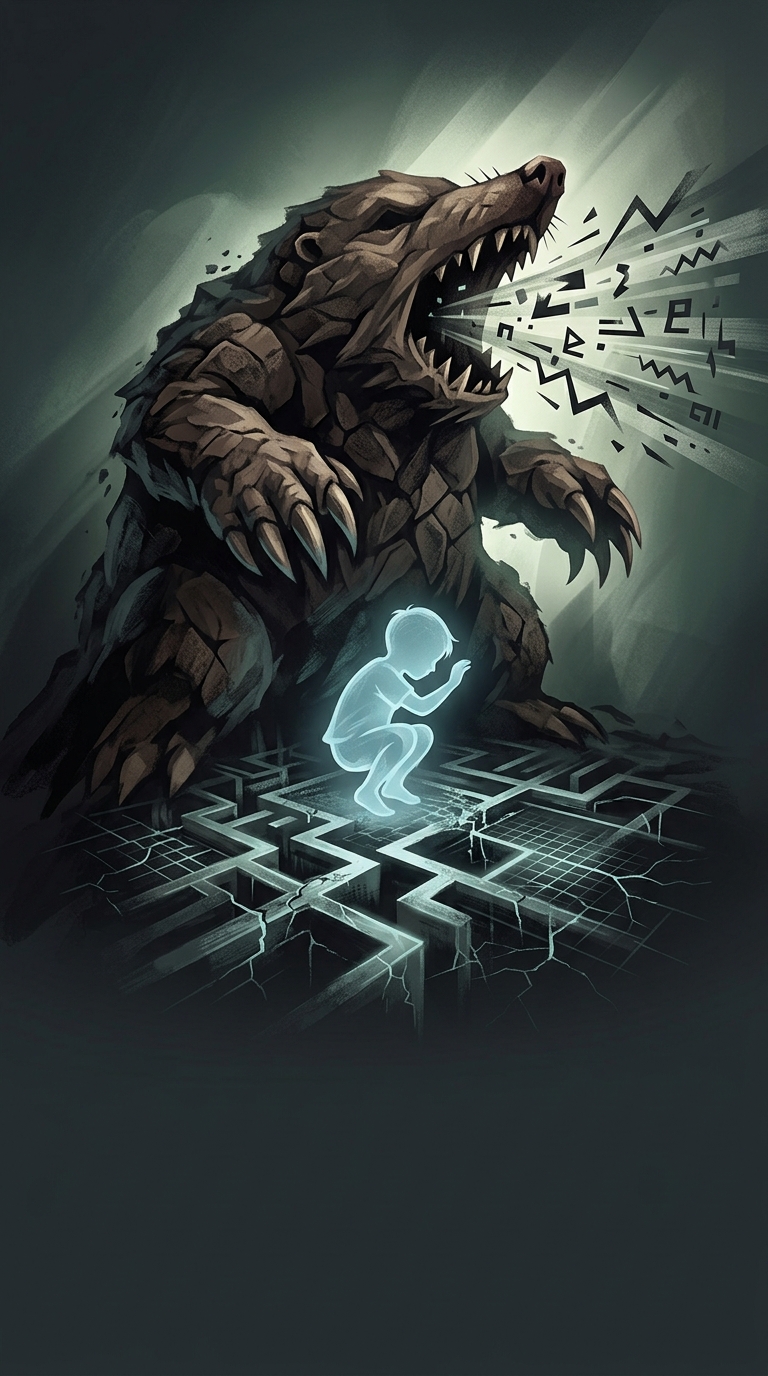
In the original Animal Crossing, ending a session without saving left the game with a problem: when the player returned, it could not tell whether the interruption was accidental or an attempt to undo an unwanted outcome. Mr. Resetti turned that invisible gap into a visible consequence. The furious mole appeared to confront players who had reset or switched off the console without properly saving.
His function was practical, but the delivery was deliberately personal. Instead of a quiet warning or a lost-progress message, the game made the player sit through a lecture from a character who acted as though he knew exactly what had happened.
The Scolding Was Part of the Mechanic
Resetting did not simply trigger the same brief reminder each time. Mr. Resetti’s reprimands grew longer with repeated offenses, and players were made to type apologies using the game’s on-screen keyboard. That turned a routine interruption into a small performance: the player had to acknowledge the reset rather than immediately getting back to town.
The design fit Animal Crossing’s slow, persistent world. The game presents a town that continues to matter across play sessions, so saving is not just a technical step before turning off a console. It is the act that records what the player did and lets the next visit pick up from there. Resetti gave that rule a face—and an unmistakably irritated voice.
A Rule Players Would Remember
The joke depended on an uncomfortable bit of friction. A player who wanted to escape a mistake might instead be delayed by a character insisting on an explanation. But that irritation also made the save system hard to forget: the game converted an invisible data-saving rule into a memorable social encounter. When the player reached for the power button, Mr. Resetti was waiting in the back of their mind.