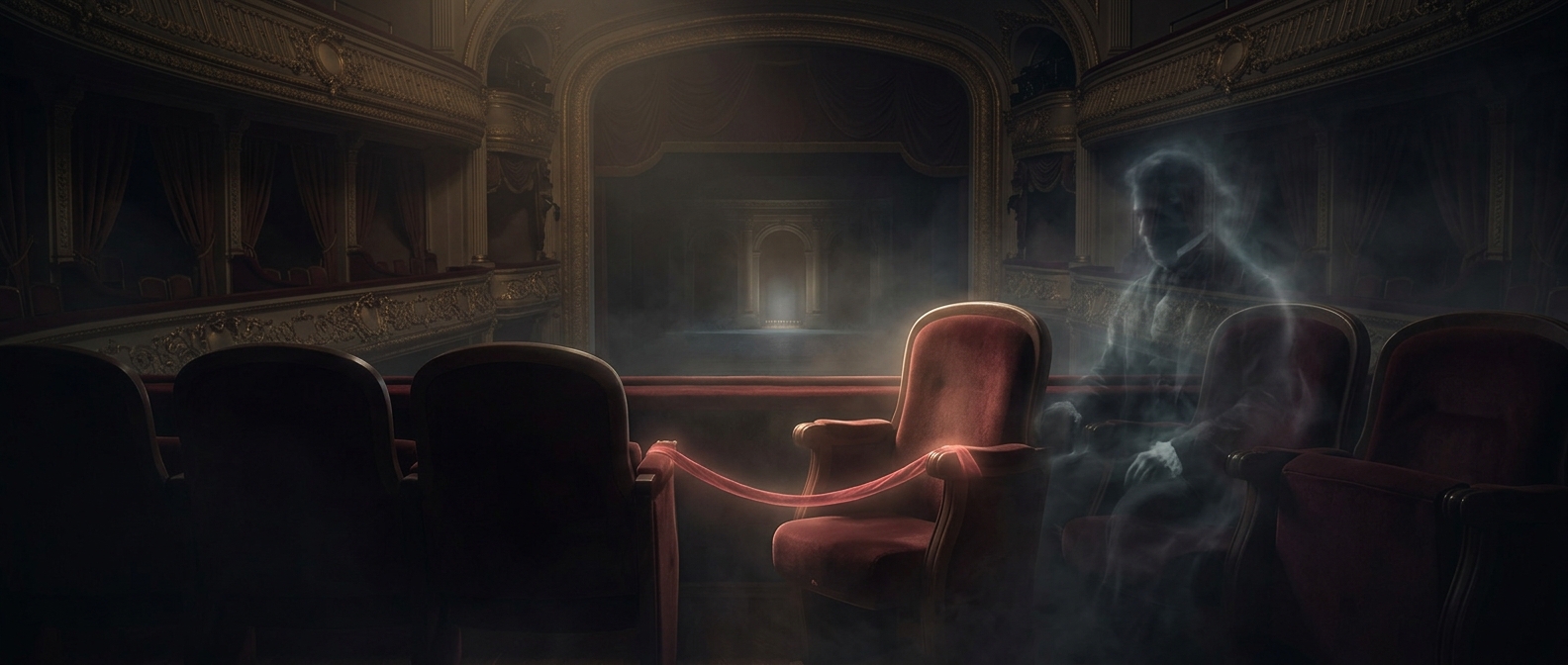
The Seat Reserved for an Unseen Performer
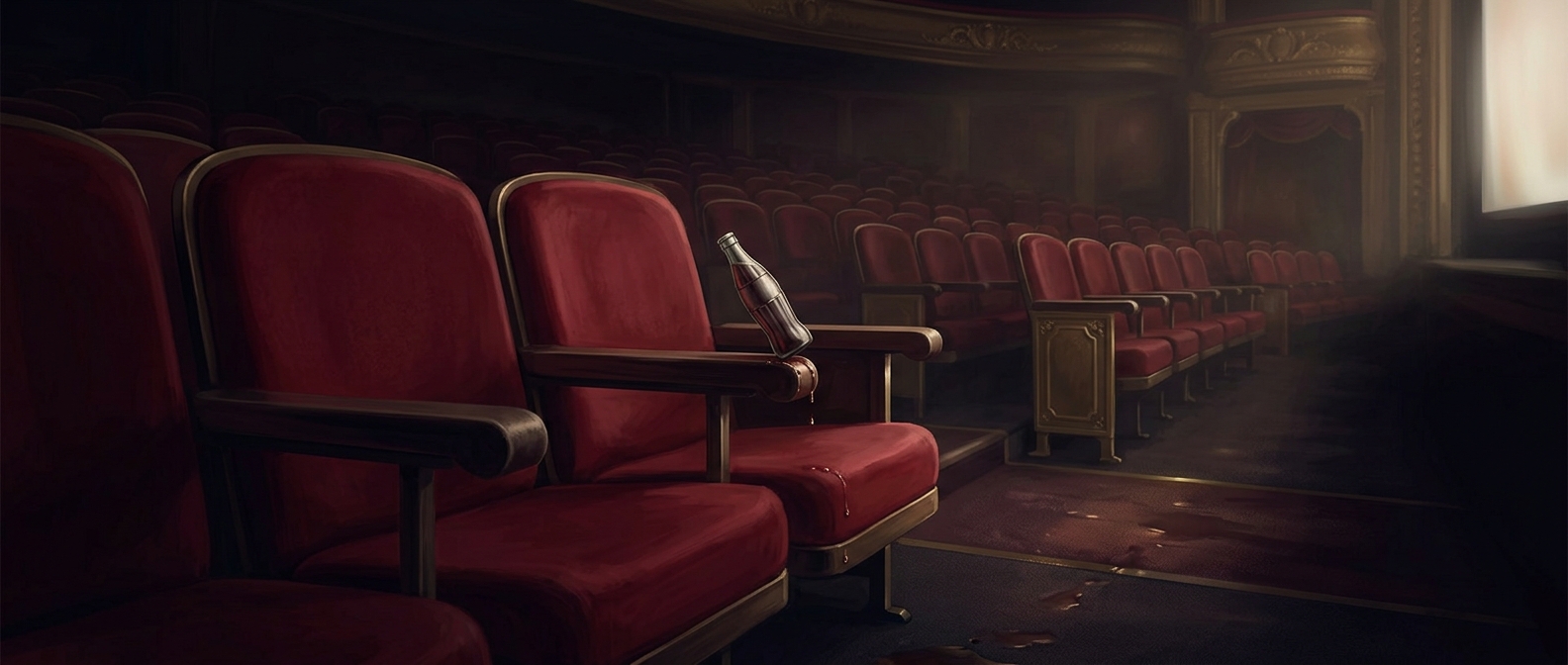
In some theaters, a director leaves one seat empty as a gesture toward a ghost believed to be connected with the stage. The idea is not that the seat has a practical job in the production. It is a small ritual: by making room for an unseen presence, the theater hopes to avoid offending it—or, in the language of the superstition, to appease it.
That makes the empty seat different from one kept open for a late audience member or blocked because of a poor view. Its purpose is symbolic, even though the cost is concrete: nobody can buy that ticket. The choice puts a value on reassurance and custom alongside the revenue a full house might bring.
Why a Theater Might Keep the Ritual
A performance depends on many people working together in a shared space, and theater traditions often give familiar form to the nerves and uncertainties around going onstage. Leaving a place for a ghost can turn an unseen concern into a visible, manageable gesture: the seat stays empty, and the show goes on.
The practice does not establish that a spirit is present. It shows how a superstition can shape a real decision—right down to a seat that could otherwise belong to a paying spectator.