
A closer look
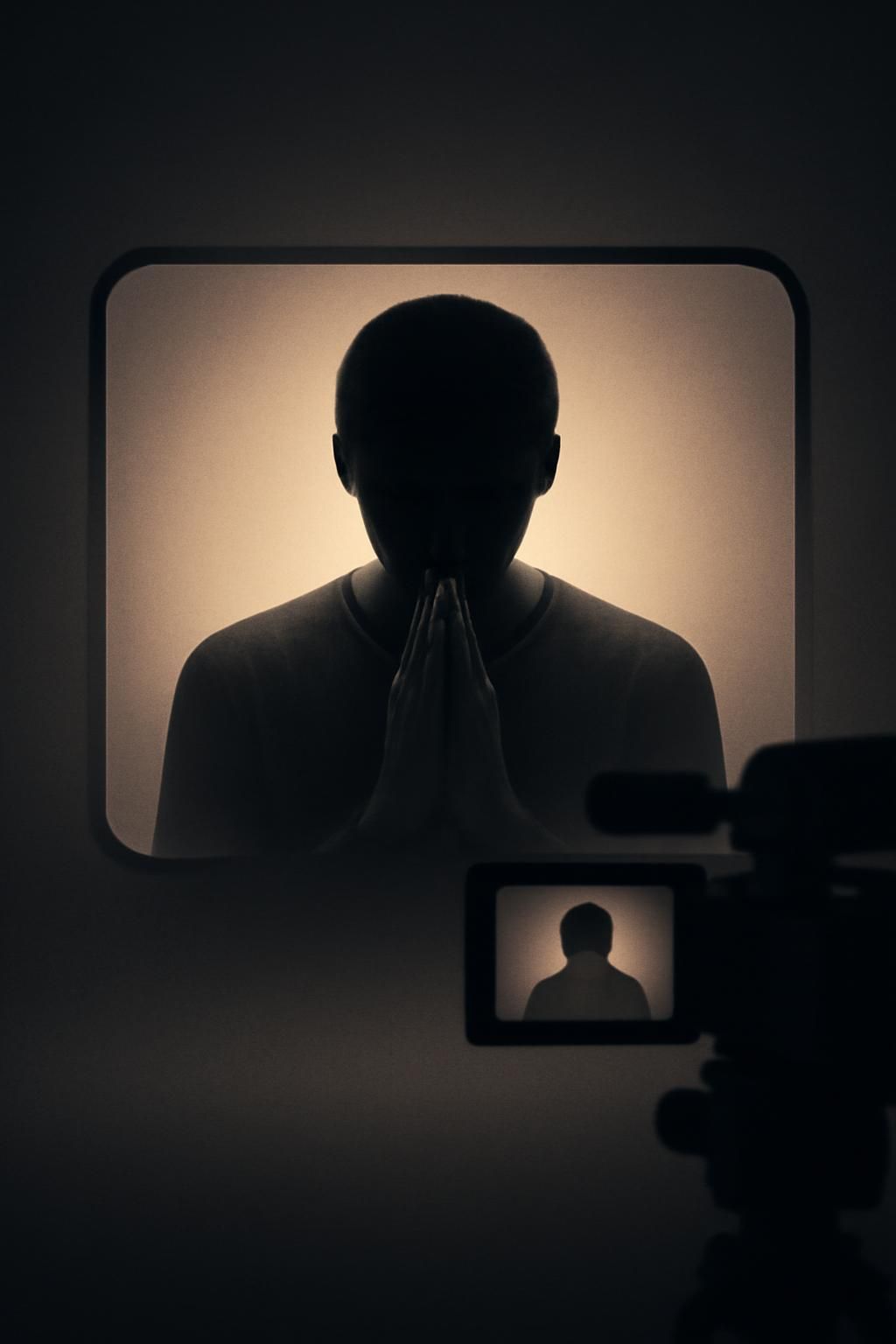
You can almost script a celebrity apology video before it drops: soft lighting, casual clothes, a sigh, then a careful blend of sorrow and self defense. These clips are no longer spontaneous confessions; they are highly managed crisis tools. Public figures and their teams study what works: direct eye contact, no makeup to signal vulnerability, phrases like I take full responsibility paired with subtle shifts of blame to context, stress, or misunderstanding. The goal is not always forgiveness; often it is to stop the bleeding, calm sponsors, and move the news cycle along. Viewers, meanwhile, have become armchair analysts, dissecting pauses, word choices, and whether tears look real. The more we watch, the more this format hardens into theater. Real accountability shows up later, off camera, in changed behavior, quiet reparations, and willingness to accept consequences without fanfare. When you see the next apology trending, ask yourself not how it looks, but what they actually stand to lose if they mean it.