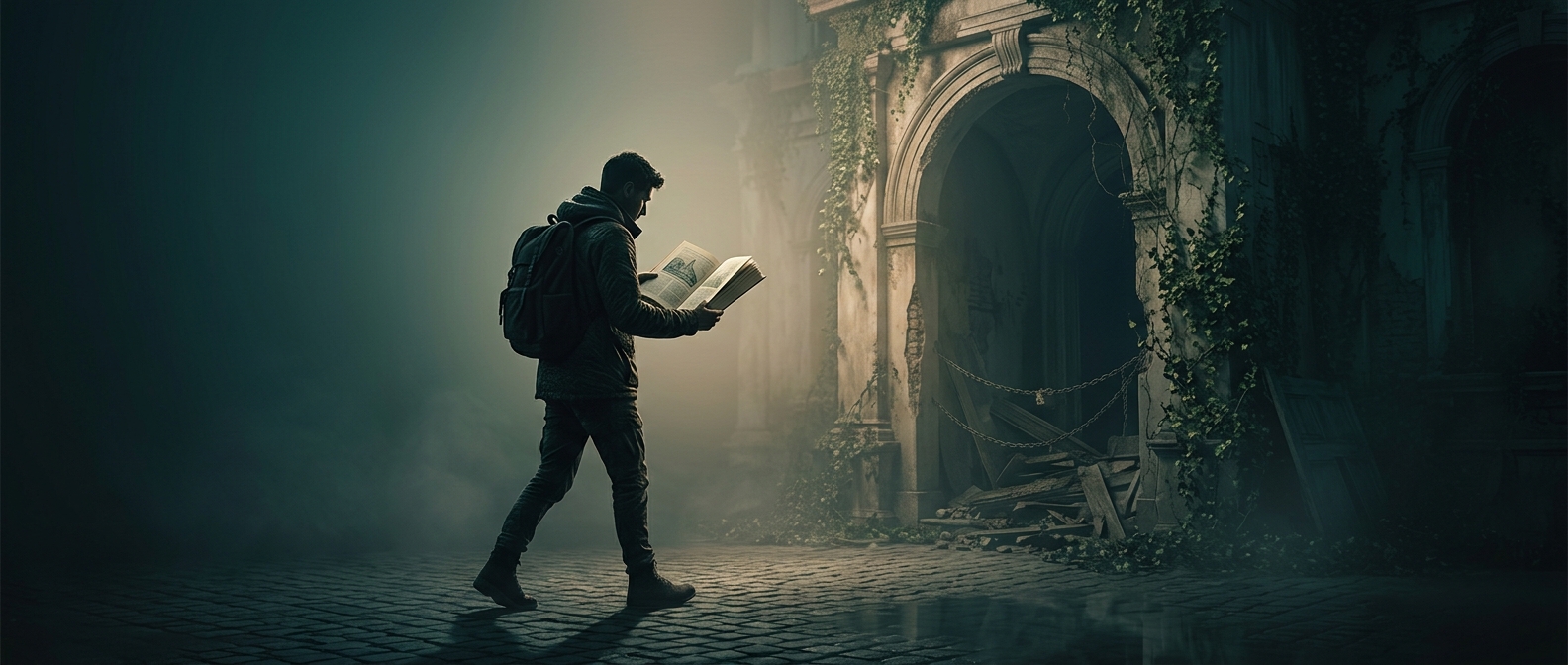
When a Guidebook Outlasts Its Landmark
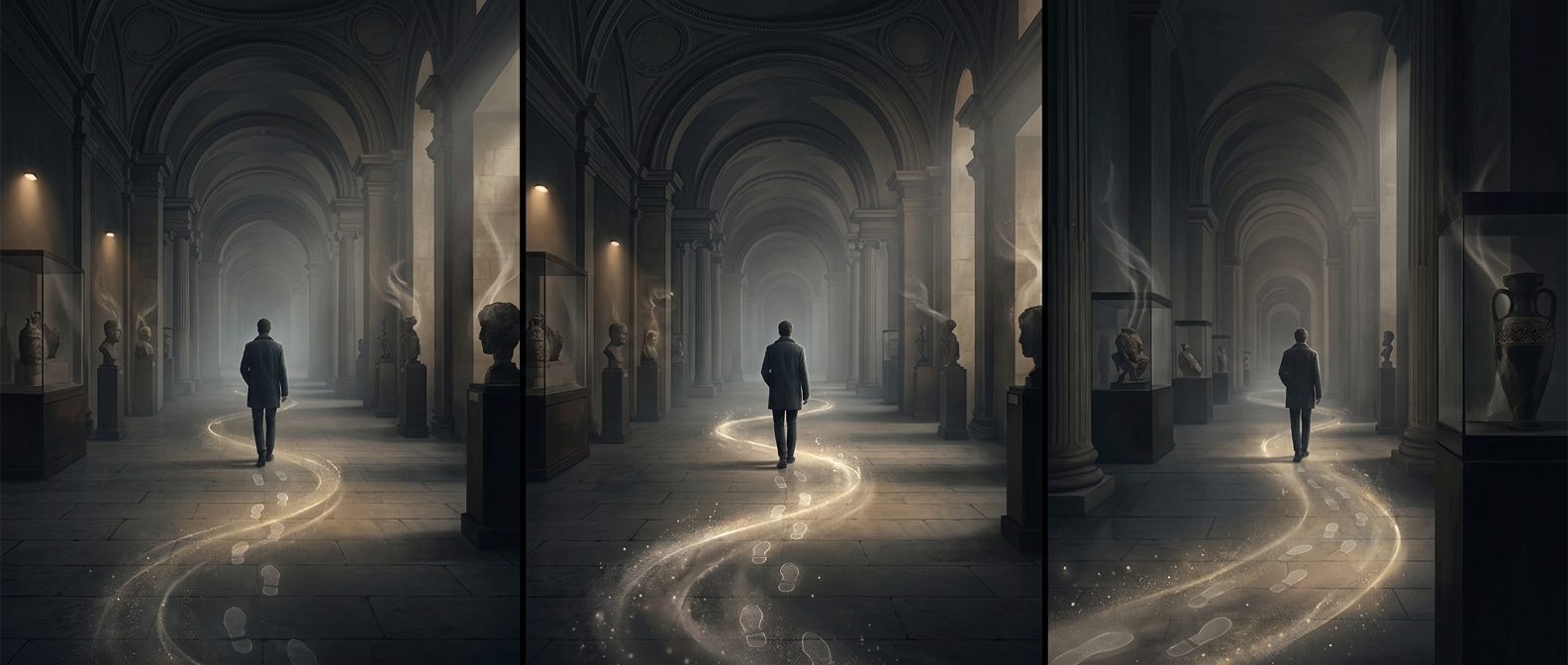
A printed guide is a snapshot of a place, fixed at the moment its text and maps go to press. After publication, a museum can close, move, or change its entrance while the book remains in circulation. The directions still make sense on paper; the destination has changed in the world.
How a Small Change Becomes a Detour
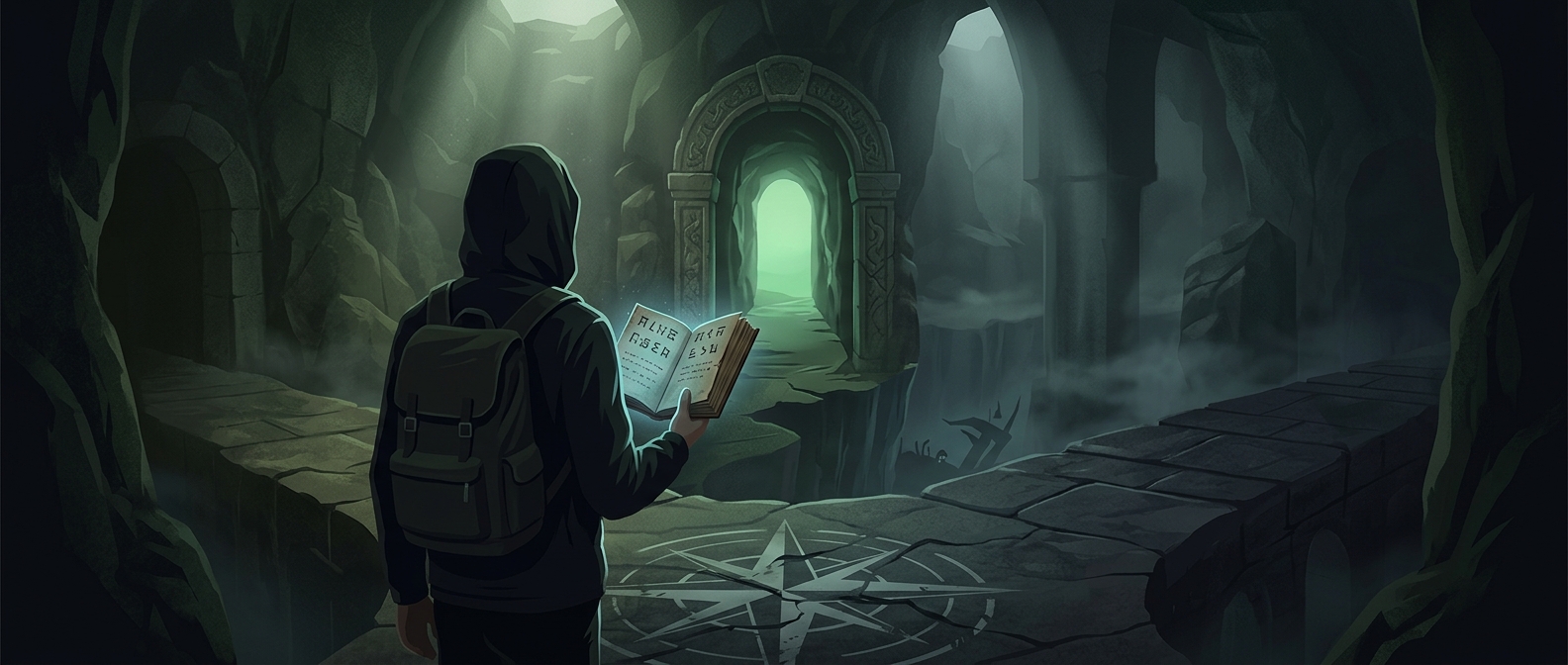
Guidebooks are assembled from research and checked before printing, but they cannot be revised one copy at a time. A closure may happen after the final proof, and a new edition takes time to prepare and distribute. Even a modest change—an address, an opening schedule, a renamed building—can send a traveler along a route that ends somewhere unexpected.
That mismatch can be more than an inconvenience. A museum’s former building may have become a café, shop, or private space, leaving the traveler to reconcile a familiar description with an unfamiliar scene. The old entry becomes a record of what the neighborhood used to offer, even as it fails as a current set of directions.
The Place Becomes Part of the Story
This is the peculiar strength and weakness of print: the guide preserves a view of a destination after that view has gone stale. At the end of the route, the vanished museum is not only missing from the city; its absence is made visible by the very book that promised to lead you there.