What dung could be made to “say”
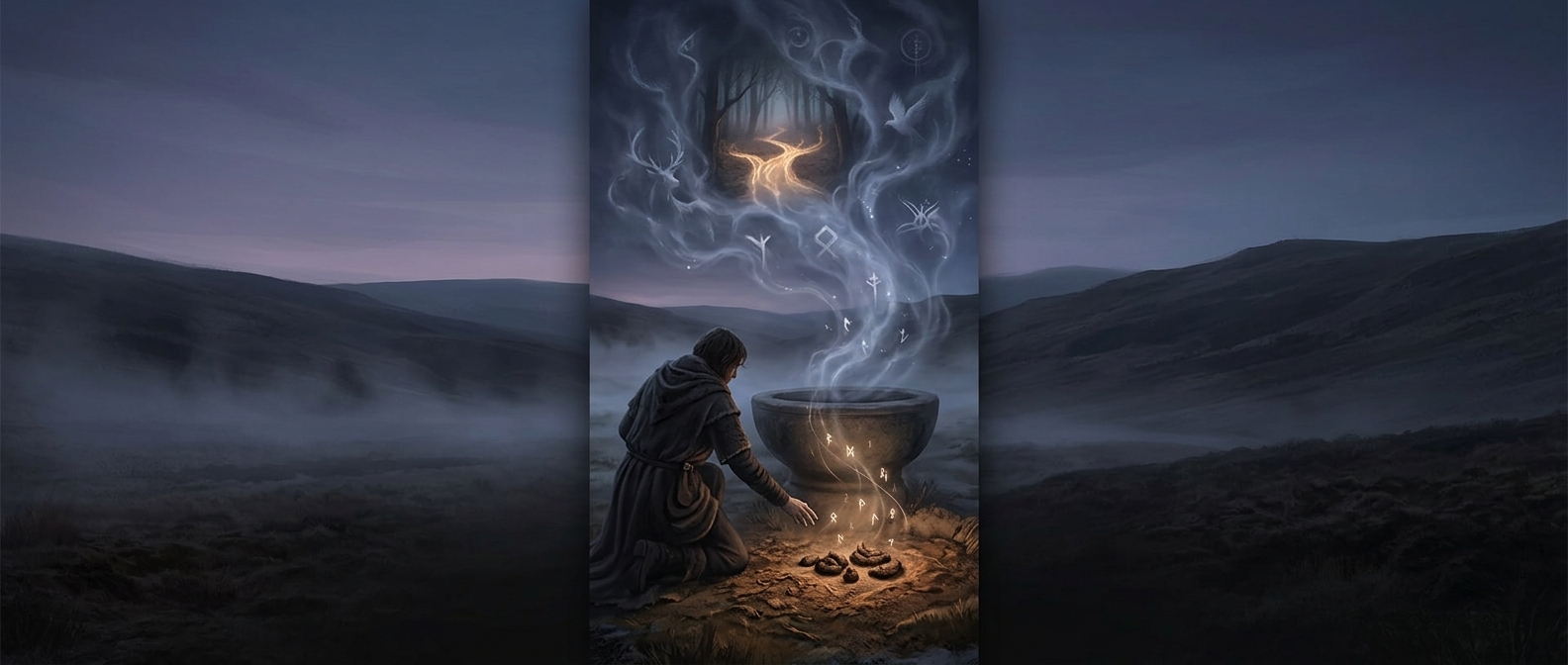
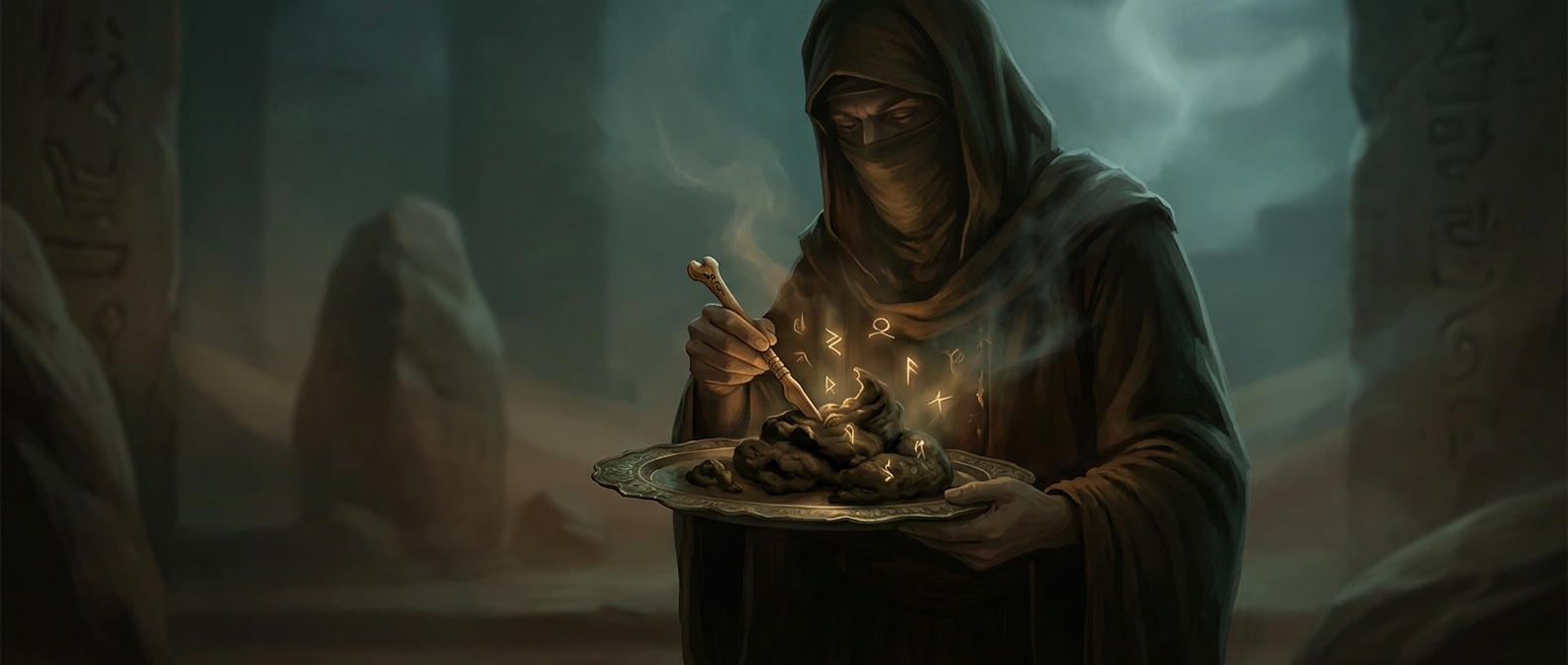
Scatomancy treats dung as a surface for interpretation: a practitioner observes its shape, texture, or apparent behavior and reads those features as signs about what may happen. The substance is ordinary; the divinatory step is the act of assigning meaning to it.
That process resembles other forms of omen-reading. An irregular shape might be taken as a warning or a change in fortune, while a different pattern could suggest a favorable outcome. The meaning depends on the interpretive tradition and the reader, rather than on a fixed code that makes every deposit signify the same thing.
Turning an everyday trace into an omen
The practice makes sense within a worldview in which meaningful signs can appear in unlikely places. Dung is conspicuous, variable, and connected to animals and their movements, so its visible details offer something concrete to examine. A reader can turn those details into a story about uncertainty—an approaching journey, a decision, or a hoped-for outcome.
That is different from using dung as a scientific forecast. Scatomancy belongs to divination: it expresses a way of seeking guidance by interpreting signs, not a demonstrated method for predicting events. Its striking premise is that even a discarded trace can become meaningful when a culture or practitioner knows how to read it.