How the brain practices a movement that never happens
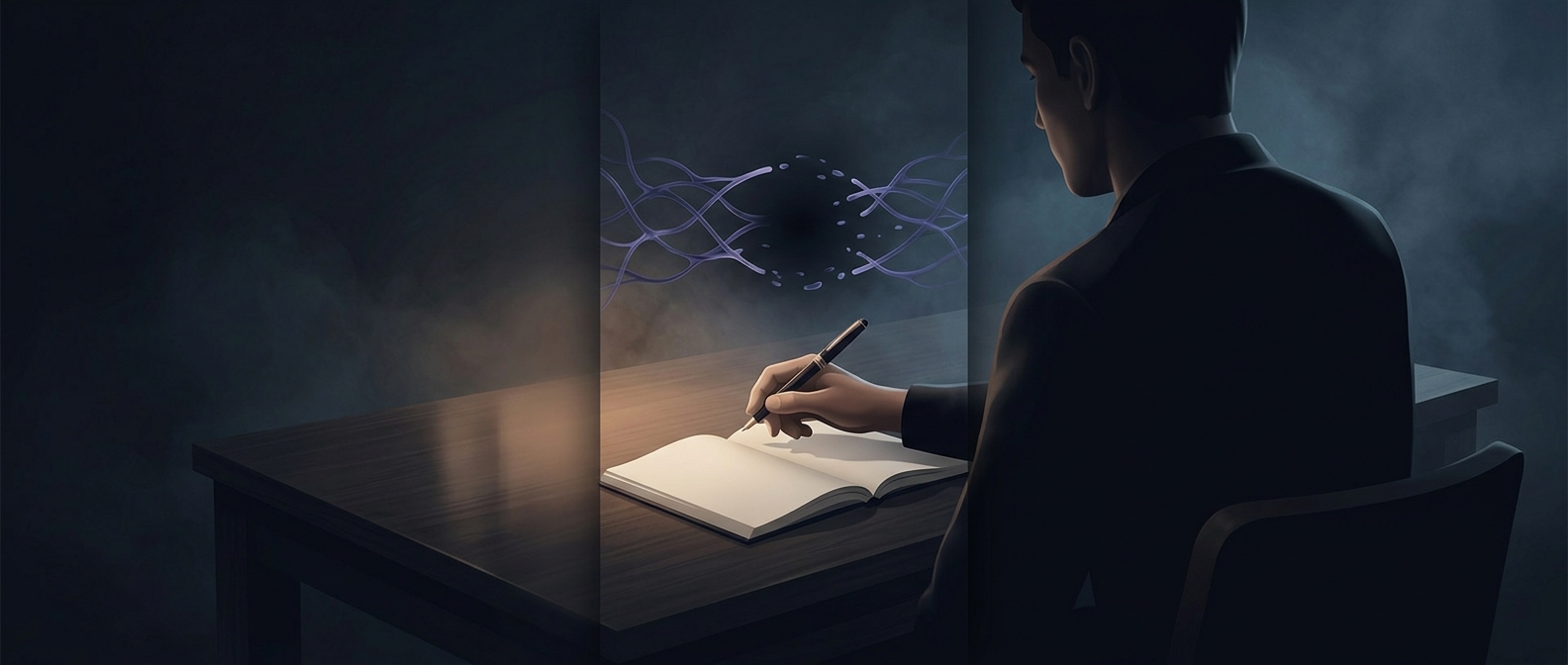
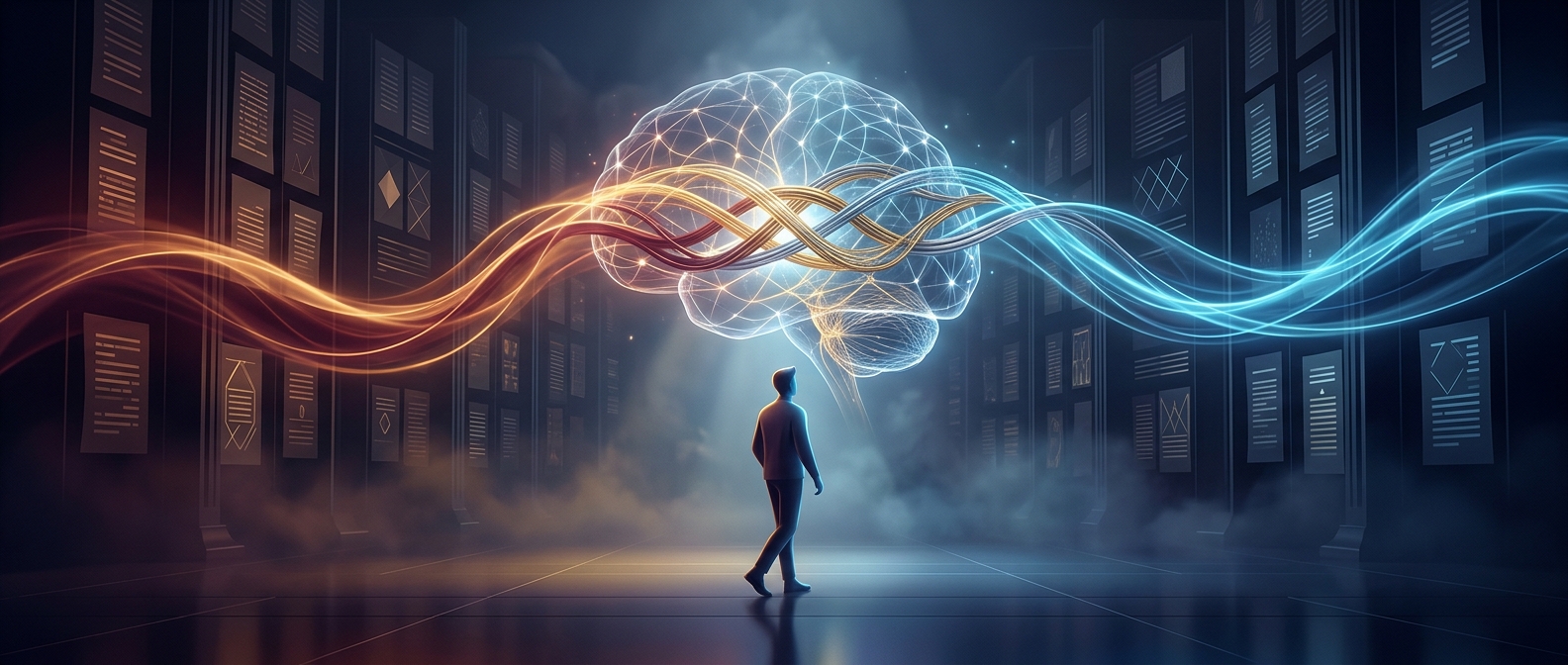
When you vividly imagine an action, your brain does more than form a picture of it. It can activate parts of the motor system—the network that plans and guides movement—as it organizes the action’s sequence. Imagine reaching for a cup: the brain can represent the reach, grip, and lift without sending the full set of signals that would make your arm perform them.
That distinction matters. Mental rehearsal is not a hidden workout: it does not contract muscles enough to build strength or replace physical practice. But it can give the brain a chance to run through the order and timing of a skill.
A rehearsal for the next real attempt
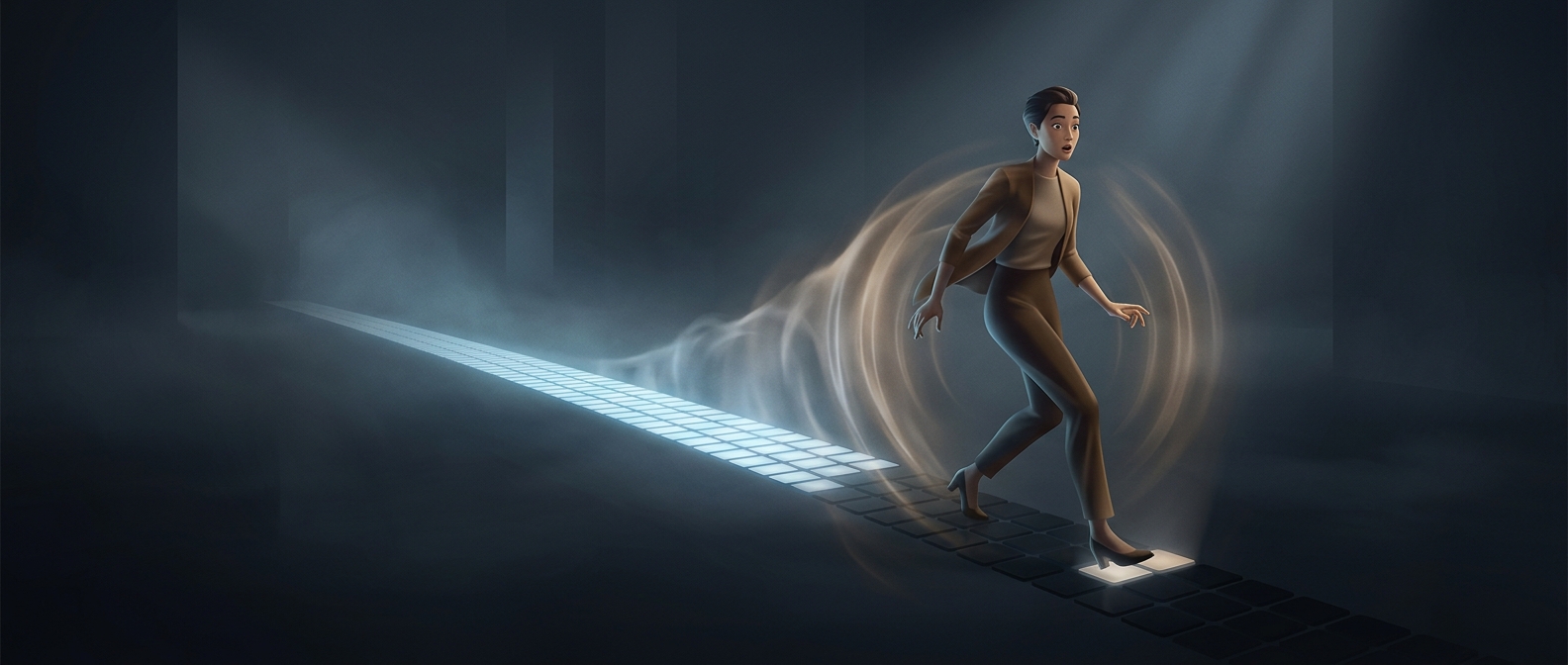
This kind of practice can help make a movement feel more familiar. An athlete might mentally walk through a serve, for instance, attending to its stages and anticipating what comes next. The rehearsal gives the brain a chance to refine the plan before the body has to carry it out, which can support learning—especially alongside actual practice.
The effect depends on the task and the quality of the mental rehearsal. Imagining a motion is not identical to performing it: the body supplies feedback about balance, force, and mistakes that the mind alone cannot fully reproduce. Mental practice can prepare a movement, but physical practice is what tests that plan against the real world.