How a Drop Becomes a Ride
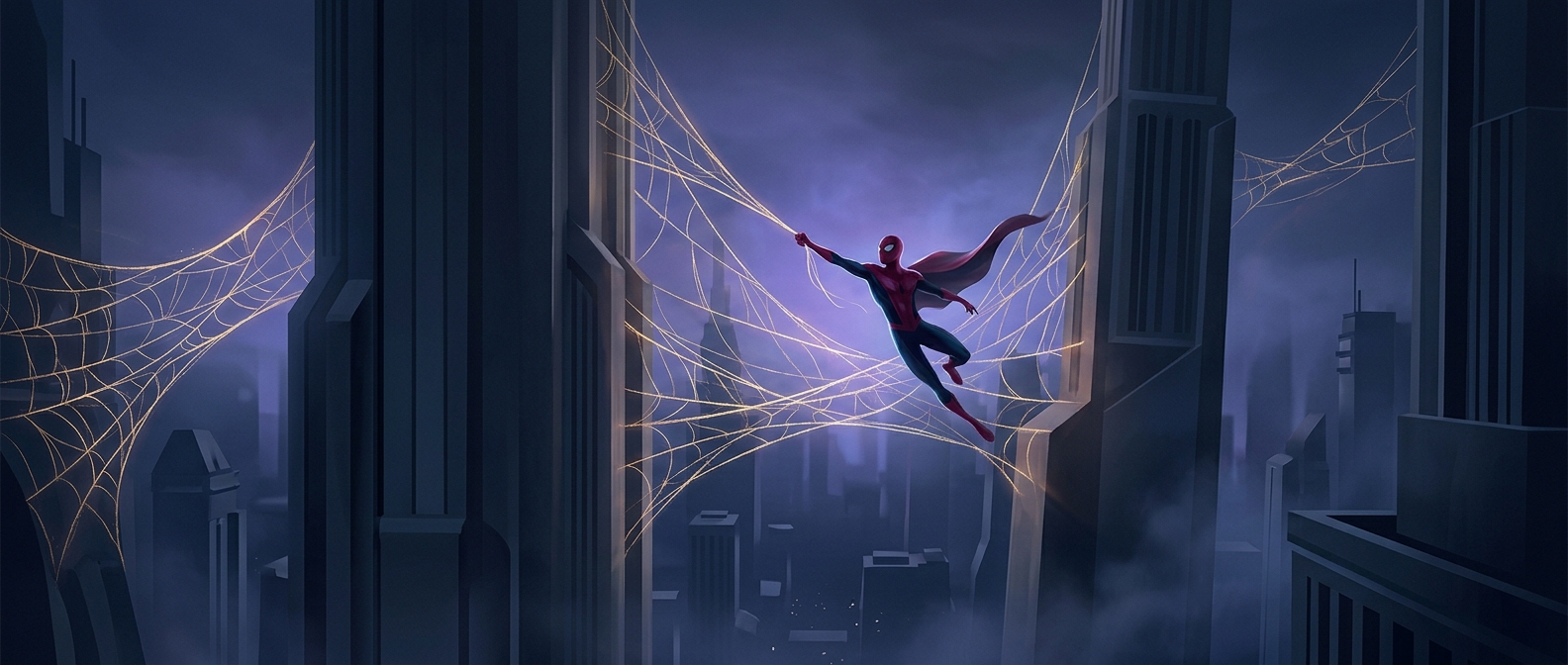
A hanging rope behaves like a pendulum. As a traveler moves down from the point where the rope is held, gravity pulls it faster; some of the height it loses becomes forward speed. At the bottom of the arc, that speed carries it onward, turning a downward drop into a swing toward the next branch or foothold.
The route depends on timing as much as strength. Let go too early, and the traveler leaves with less forward momentum. Hold on too long, and it may swing back or miss the next support. The useful moment is near the forward part of the arc, when the next handhold is within reach and the body is moving toward it.
The Grip Is Part of the Transport
A rope is only a reliable path if the hands can keep hold through the swing’s pull. As the body accelerates, the rope must redirect its motion, placing extra force on the grip. Reaching for the next support also briefly interrupts the secure connection, so a successful transfer depends on coordinating the release and catch.
That makes the journey a chain of controlled handoffs rather than one long leap. Each rope converts height into motion, while each new foothold provides a place to slow down, regrip, and set up the next swing.