A circumnavigation was an achievement of the expedition
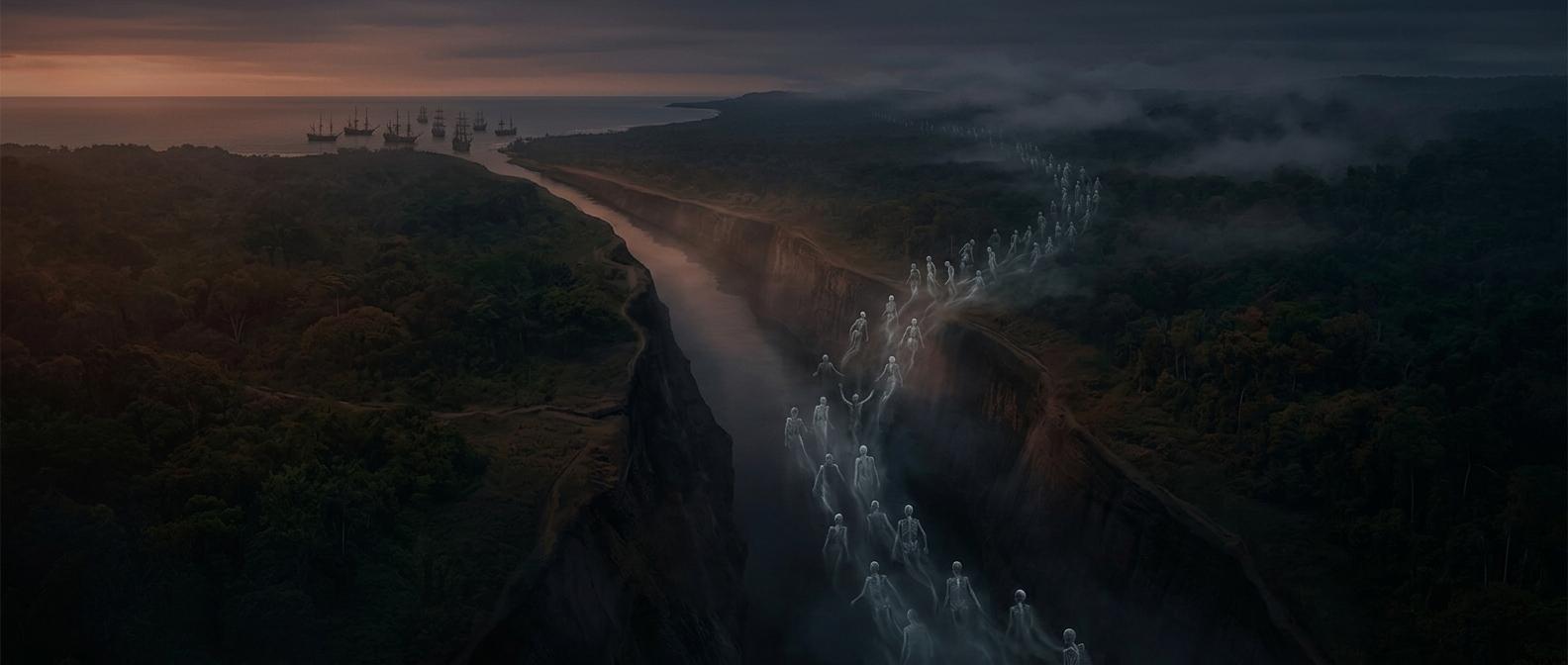
A wooden sailing ship could not simply point west and keep going. The fleet had to find passages through unfamiliar waters, rely on wind and current, and carry enough food and water to survive stretches with no safe harbor. Magellan’s expedition left Spain in 1519 with five ships; only the Victoria made it back, after a voyage that tested both the vessels and the people aboard.
That distinction matters. “Circumnavigation” describes a route completed around the Earth, not a feat that one person must personally finish. Magellan planned and led much of the voyage, but its completion depended on the sailors who survived, the ship that remained seaworthy, and the decisions made after his death. Elcano’s command turned a shattered expedition into a completed circuit.
Why the credit stayed with Magellan
The expedition is commonly associated with Magellan because he organized it and led its departure, while Elcano is remembered as the commander who brought the Victoria home. Those are different roles, but popular accounts often compress a long, collective undertaking into the name of its most famous leader.
The ship’s return was more than a symbolic finish. It carried the surviving crew and evidence of a route that had connected oceans and continents in one continuous voyage. The achievement belongs to the expedition—but the Victoria’s arrival in Spain is the concrete moment that made the claim of circumnavigation complete.