Why the underwater hull is often red
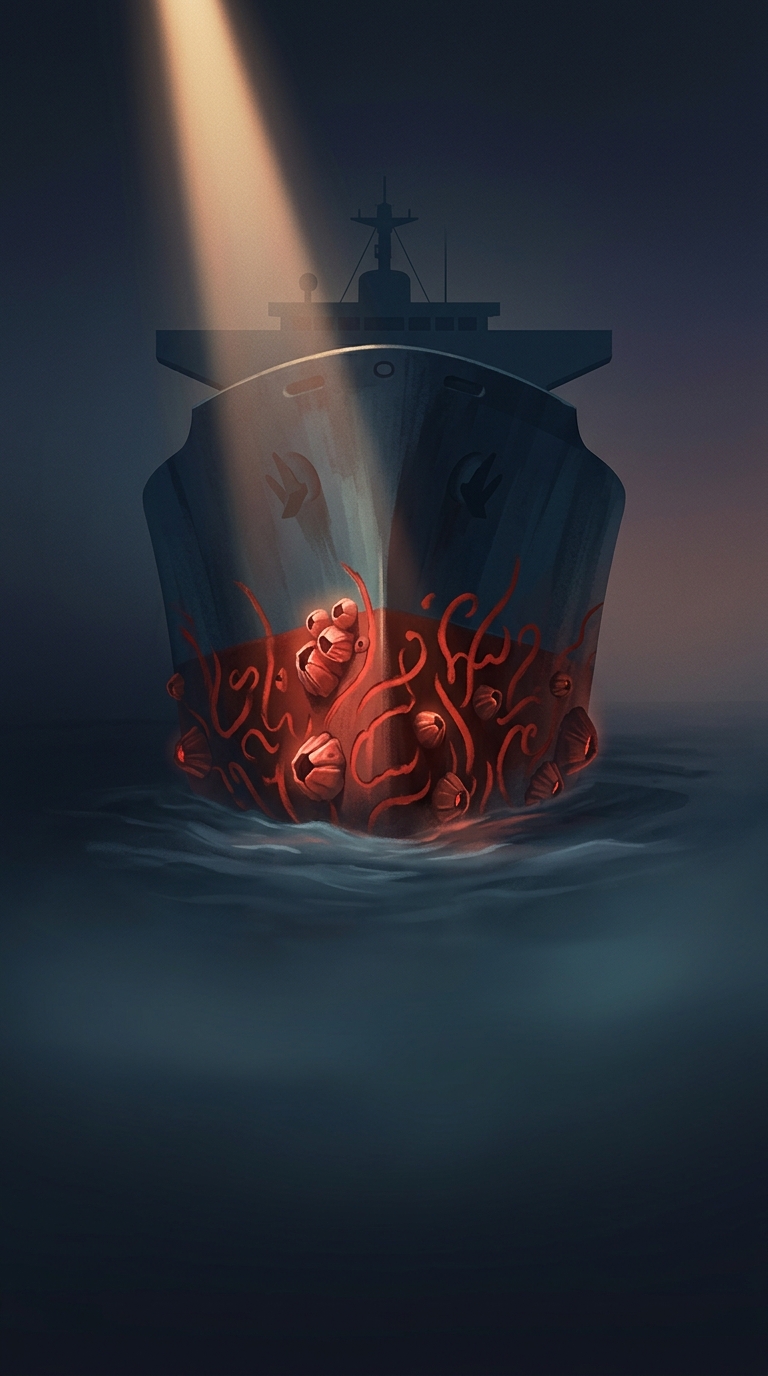
The color is often a clue to what the coating is doing. Ships spend months in seawater, where algae, barnacles, and other organisms can attach to a hull and grow. This buildup, called biofouling, roughens the surface and makes the ship harder to push through the water.
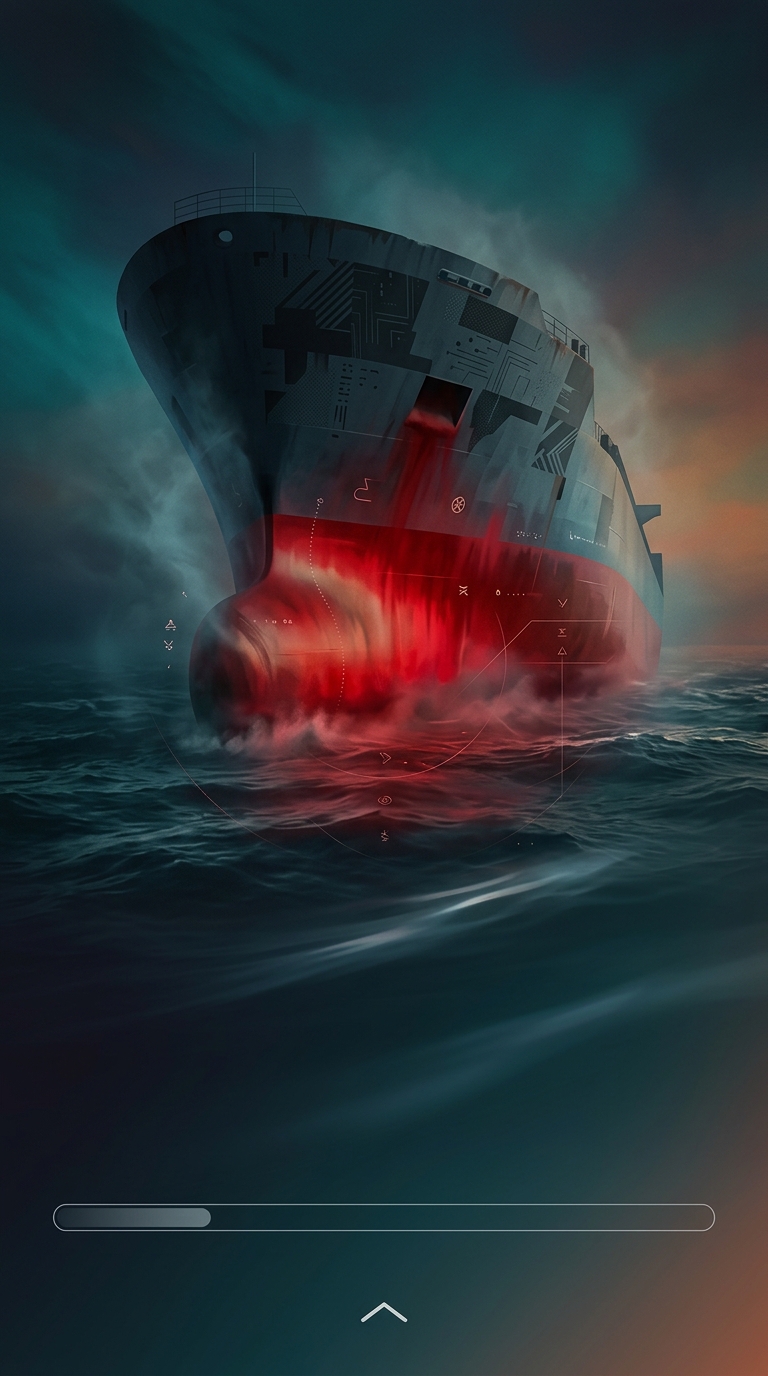
Many antifouling paints use copper compounds to discourage that growth. A common copper compound, cuprous oxide, is reddish, so it has helped make red a familiar color for the underwater parts of large ships. The paint is not simply decorative: it forms a protective coating that releases small amounts of active ingredients at the surface, making it harder for organisms to settle and thrive.
A smoother hull takes less effort to move
As growth accumulates, water encounters more resistance along the hull. The ship’s engines must work harder to maintain speed, which can mean greater fuel use. Antifouling coatings help limit that buildup between maintenance periods, protecting both the hull’s performance and the time a vessel can spend in service before it needs attention.
The coating gradually wears away or loses effectiveness, so it must be renewed as part of regular upkeep. Different formulations and colors exist, and not every red hull gets its color from the same ingredients. But the familiar red band is a visible trace of a practical engineering problem: keeping a ship’s underwater surface clean enough to move efficiently.