Why Soap Operas Keep a Twin in Reserve
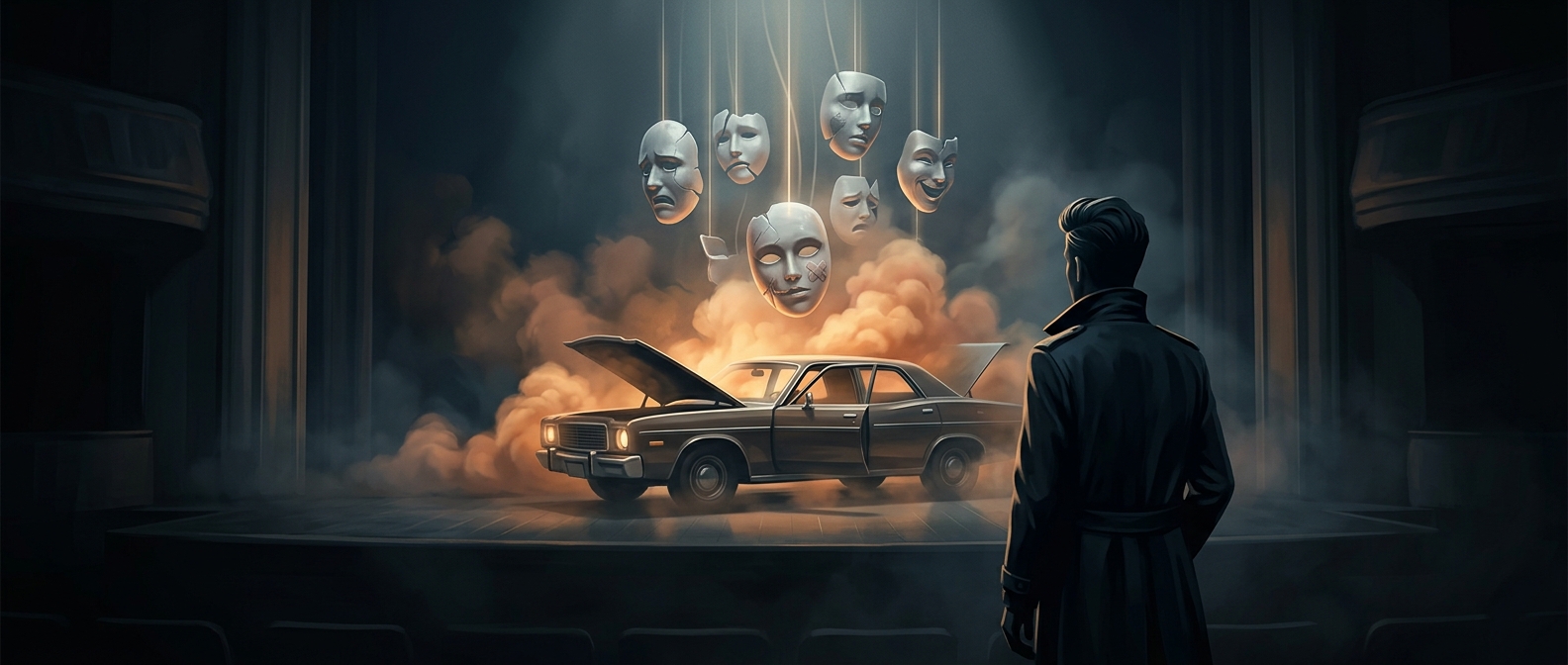
In a soap opera, a character’s apparent ending is rarely the end of the story. Long-running serials are built to keep relationships and rivalries in motion, so a presumed death, a coma, or a sudden return can reopen conflicts that seemed settled. An identical twin makes that reversal especially useful: the story can bring back a familiar face while changing what that face means.
The twin reveal works because viewers have already learned to recognize the character. A new arrival who looks exactly like a known person instantly creates questions: Is this the original? What does the twin want? Who will believe the difference? The resemblance supplies the hook; contrasting loyalties or personalities supply the continuing drama.
A Convenient Way to Reset the Board
The device also solves a practical storytelling problem. A serial may need a major shock without permanently losing a character who can still anchor a family feud, romance, or business plot. A twin can inherit the same connections and enter the same rooms, but make choices that scramble them. The family empire, for instance, is not merely a prize: it gives the returning figure leverage over relatives who may not know whom they are dealing with.
That is why the return is usually more than a surprise entrance. The reveal can force other characters to reconsider old memories, alliances, and claims to power. A familiar face becomes evidence that cannot be trusted, and the audience gets to watch the people around it catch up.
The Pleasure Is in the Recognition
These stories ask viewers to enjoy both continuity and disruption. The character’s appearance promises the old drama; the twin’s motives promise a new version of it. Even an implausible survival or identity switch can serve the serial’s central engine: keeping a settled story unsettled. The most effective twin return does not simply resurrect the past—it lets the past walk back into the room wearing the wrong intentions.