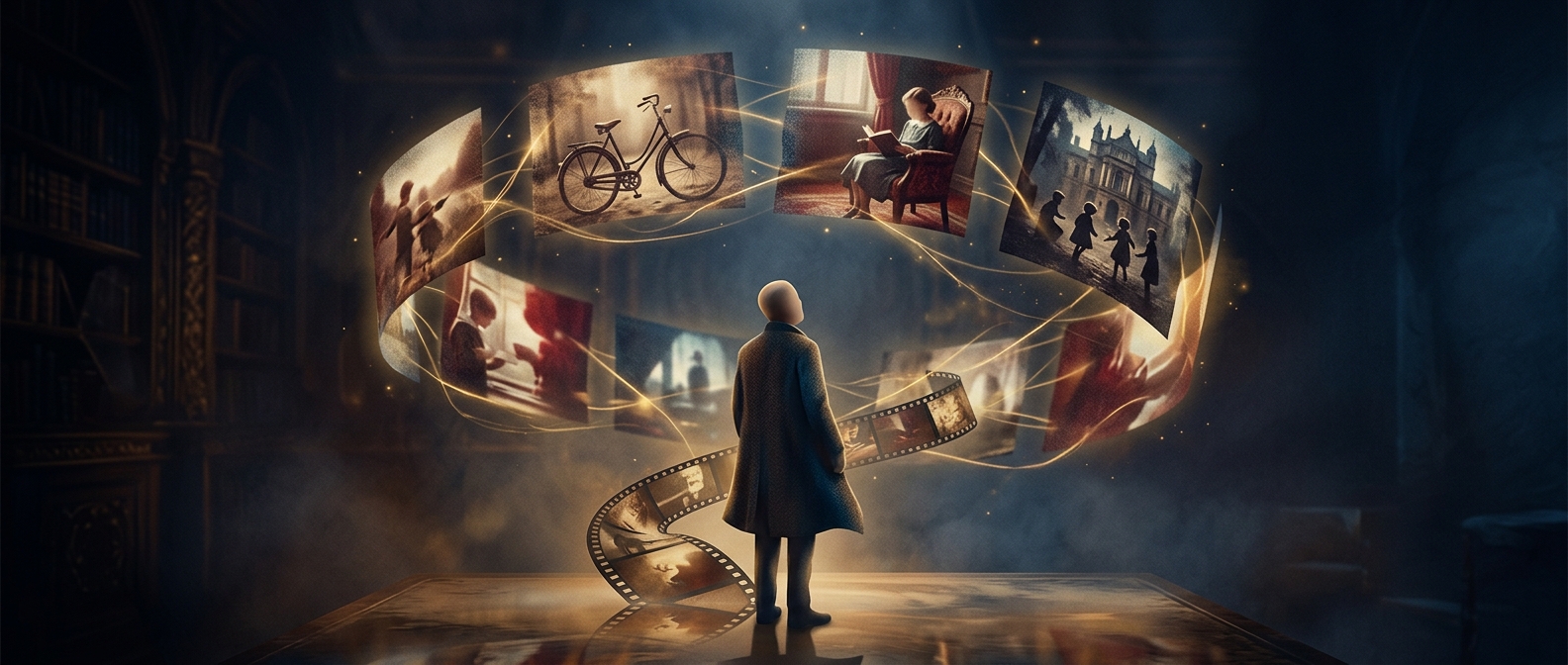
A memory can change camera angles
A memory is not a video file stored in the mind and replayed from its original position. Remembering involves rebuilding an event from details that remain available—such as people, places, feelings, and what happened. As that scene takes shape, its viewpoint can vary.
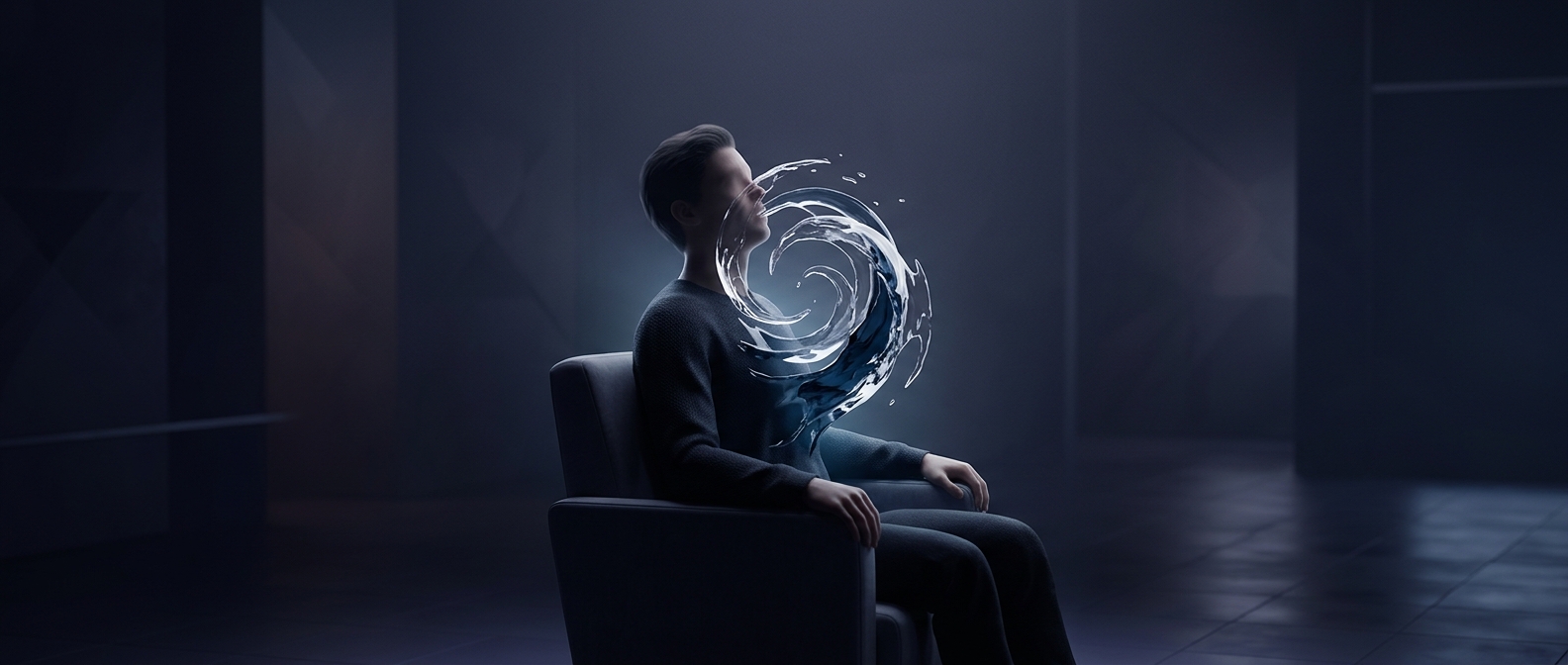
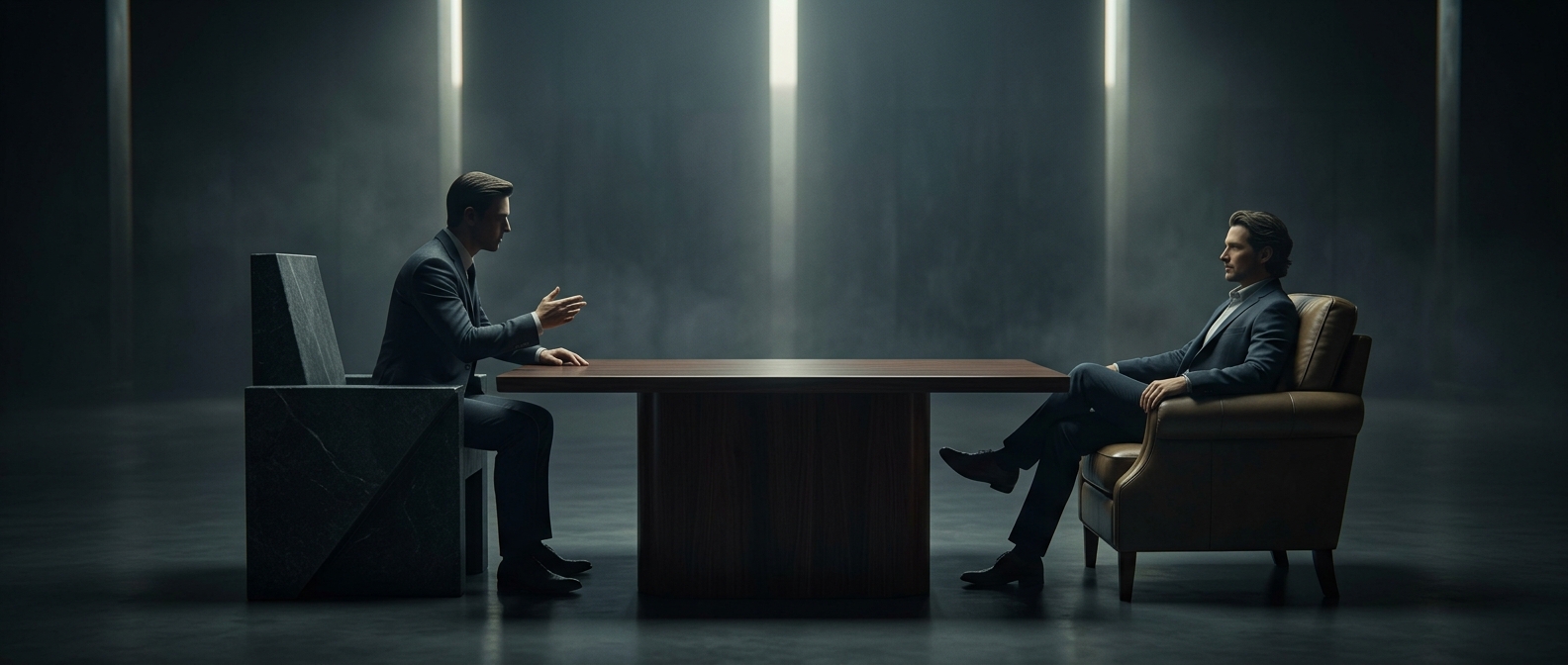
In a field perspective, you picture the event roughly as you saw it at the time, through your own eyes. In an observer perspective, you see yourself in the scene, as if from a camera placed somewhere outside you. The scene may feel like a movie, but that angle is part of how you are imagining the memory now, not evidence that you once watched the moment from there.
The remembering self supplies the view
To picture yourself in an event, your mind has to represent your appearance and position in the scene alongside what you remember doing. That can make the memory look composed: you are both the person in the story and, in a sense, the one viewing it. The angle may shift between occasions; there is no single fixed perspective for every recollection.
Seeing yourself from outside can also make a moment feel more distant, because you are viewing your past self rather than looking out through that self’s eyes. But viewpoint alone does not prove that a memory is accurate, inaccurate, or emotionally detached. It describes how the scene is pictured during recall—not a hidden recording or a reliable measure of what happened.
So when a familiar moment suddenly plays from across the room, the camera has not traveled back in time. Your present mind has rebuilt the scene with you inside its frame.