The idea behind pink holding cells
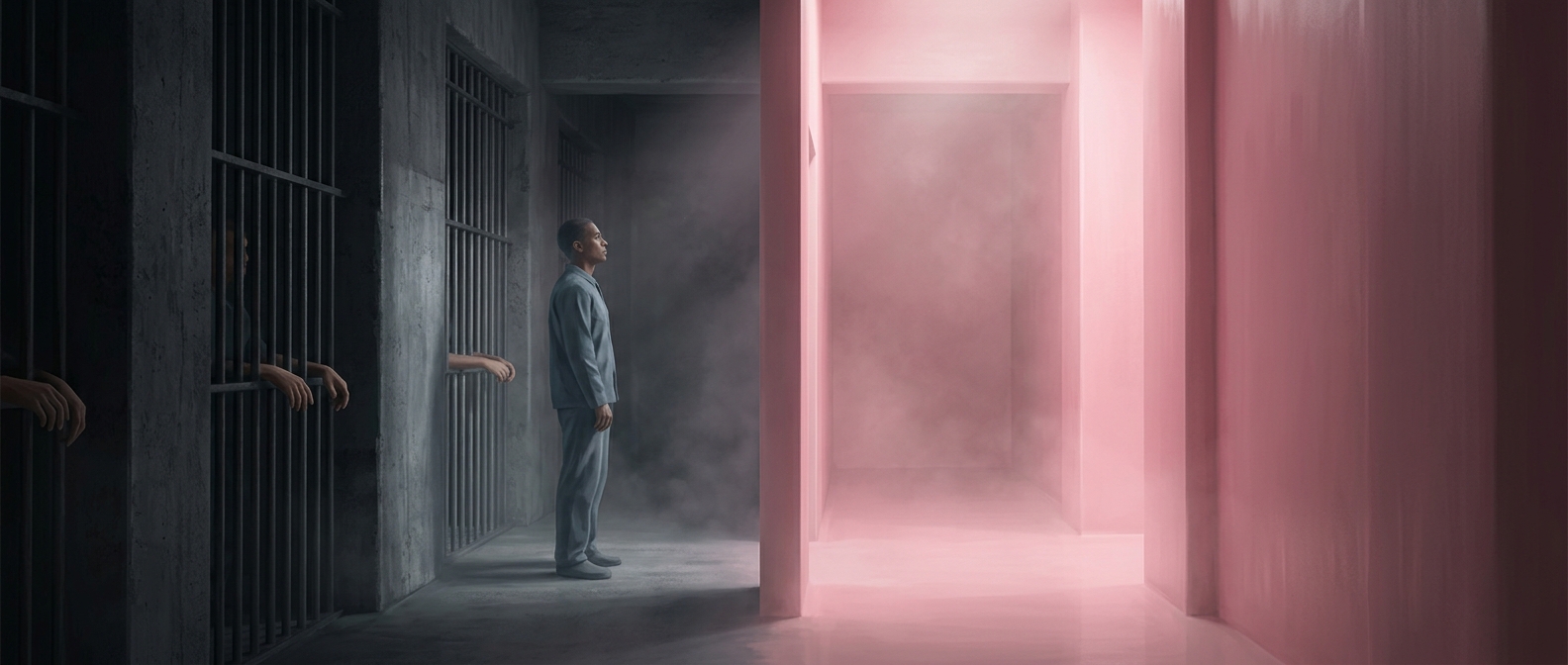
The theory was that a strong color could influence a person’s emotional state. In some facilities, officials painted holding-cell walls a vivid pink because they hoped the unusual surroundings would dampen agitation. The approach treated the room itself as part of behavior management: even when staff could not immediately change a person’s circumstances, they could change the visual environment around them.
A color was not a switch
Color can shape how a space feels, but that is different from reliably controlling someone’s behavior. A bright pink room might seem calming to one person and distracting, irritating, or simply strange to another. Agitation can also reflect fear, conflict, intoxication, illness, or the stress of confinement—conditions a coat of paint cannot resolve.
That distinction matters in a cell, where a person has little control over the setting. Officials may have intended pink walls to reduce tension, but the color also served as a visible part of an institution’s effort to manage people through their surroundings. The room was meant to do some of the work that would otherwise fall to staff.
Why the experiment was appealing
Changing paint is a simple intervention: it alters the immediate atmosphere without changing the cell’s layout or a person’s access to it. That simplicity helps explain the appeal, even though a visual cue is no substitute for understanding why someone is distressed or responding to the situation safely. The striking part is not that pink could settle everyone, but that a color on the walls was treated as a tool of control.