How a color can become a warning signal
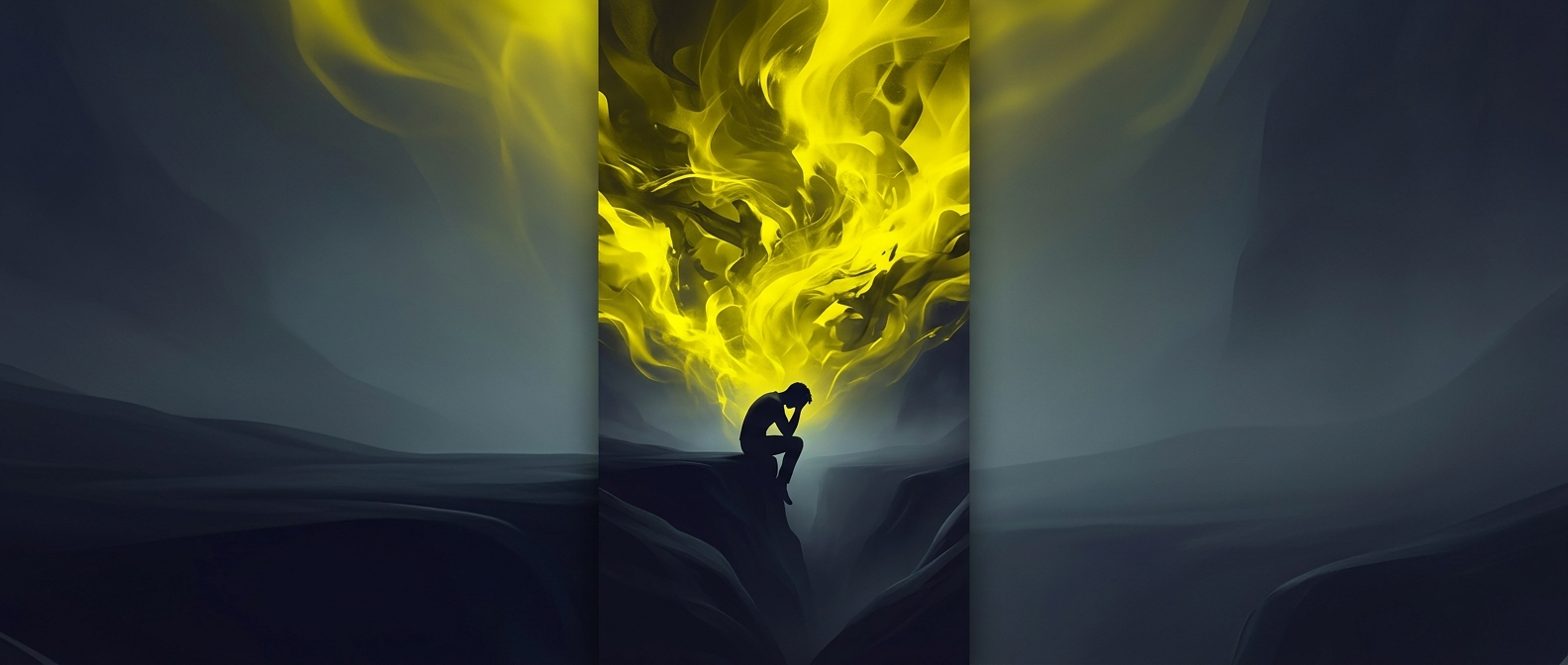
A frightening experience can teach the brain to treat a detail present at the time as a cue for danger. If yellow was part of the scene, later encounters with the color may bring back a fear response—even when the person is somewhere safe. This kind of learning is called conditioning: the brain links a once-neutral cue with a threat.
The response can arrive before deliberate thought. Attention shifts, the body may tense, and the person may feel an urge to get away. That does not mean yellow is objectively dangerous; it means the brain has learned to react to it as if it might predict danger.
Why the fear can spread
The alarm may not stay tied to one exact object or setting. The brain can generalize from the original cue to similar ones: a particular yellow item, then other yellow objects, or even the color in a different place. The range varies from person to person, and the fear may depend on the shade or situation rather than every appearance of yellow.
Avoiding the cue can bring immediate relief, but it also prevents the person from discovering that a new encounter is safe. That can leave the learned alarm intact. In therapy, gradual, planned contact with feared cues may help some people learn a different response; it is not the same as forcing someone into a frightening situation.
The striking part is that the color need not carry any danger of its own. A learned association can make an ordinary visual detail feel like a warning before the person has worked out what set the alarm off.