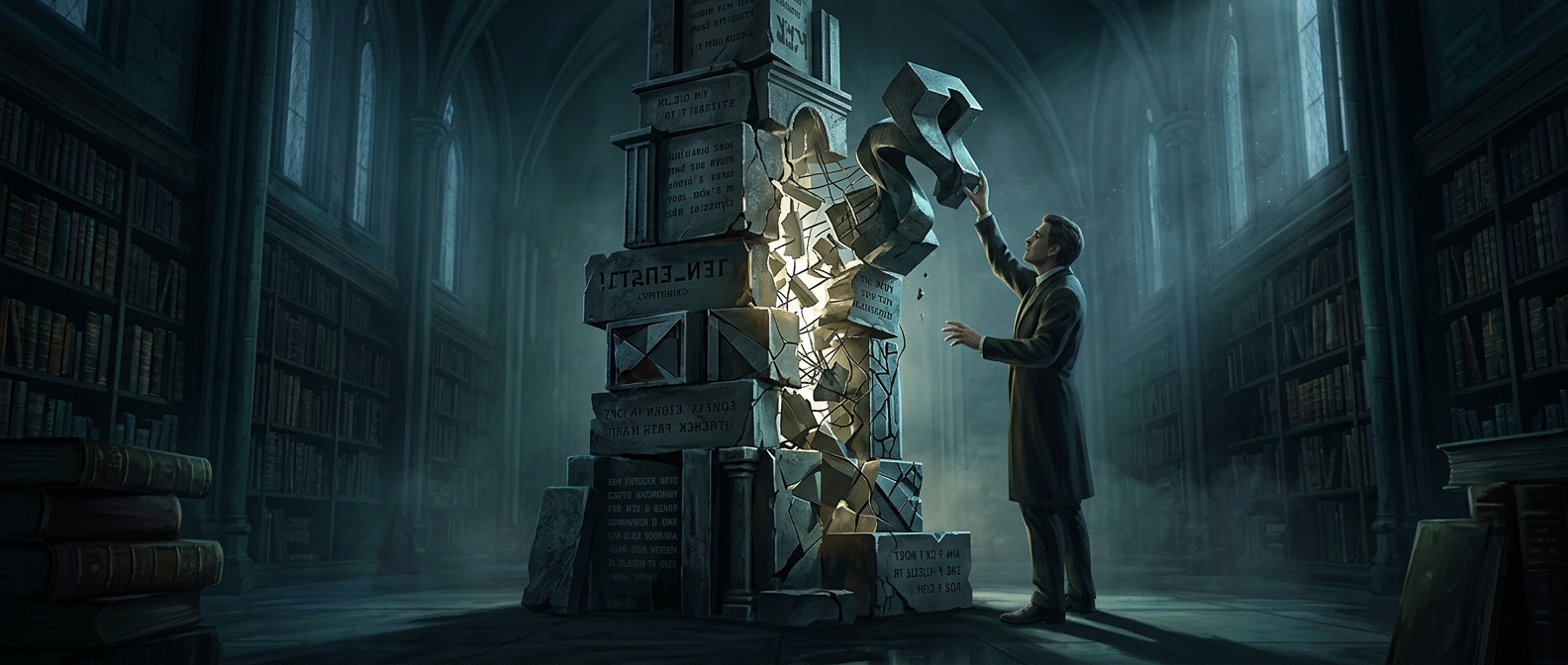
Why a small error can take over your attention
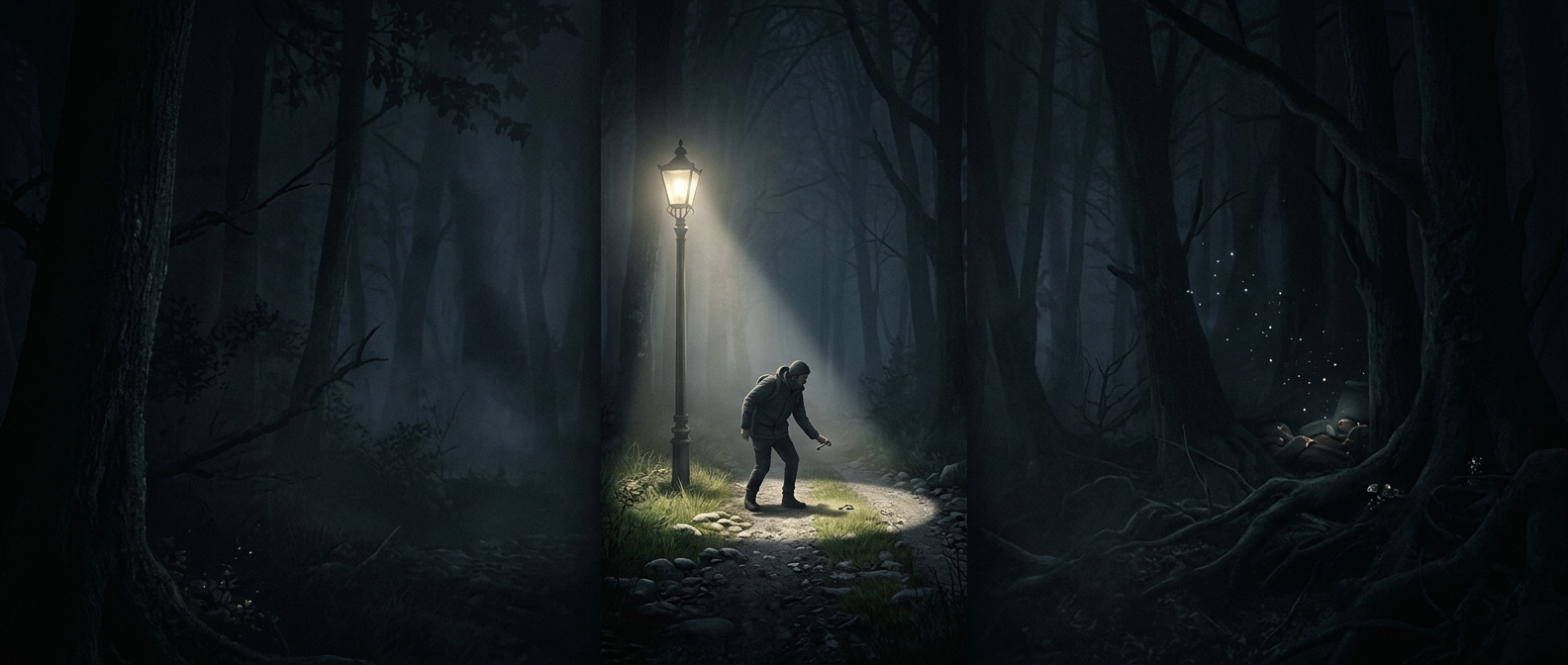
A mistake is not just another detail for the brain to file away. Errors can signal that something needs correcting, so attention tends to snap toward them. That alert is useful when a missed step could cause harm. In a low-stakes moment, such as spotting a typo after a presentation, the same response can give one flaw far more mental weight than the rest of the event.
From noticing to replaying
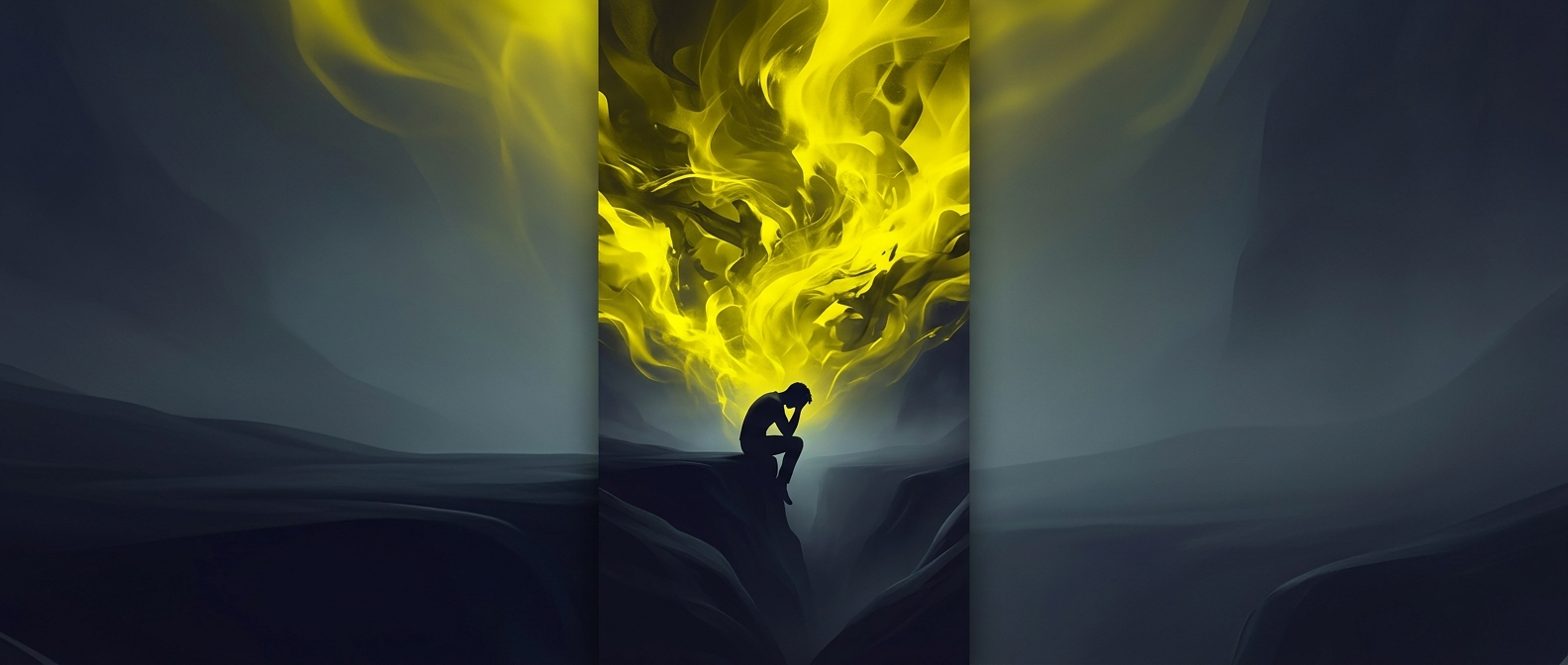
Once the error stands out, the mind may keep returning to it. Replaying the moment can feel like problem-solving: you review what happened, imagine how others reacted, and look for a way to prevent it next time. But after the practical lesson is clear, repetition often adds little. Instead, it keeps the mistake vivid while successful moments fade into the background.
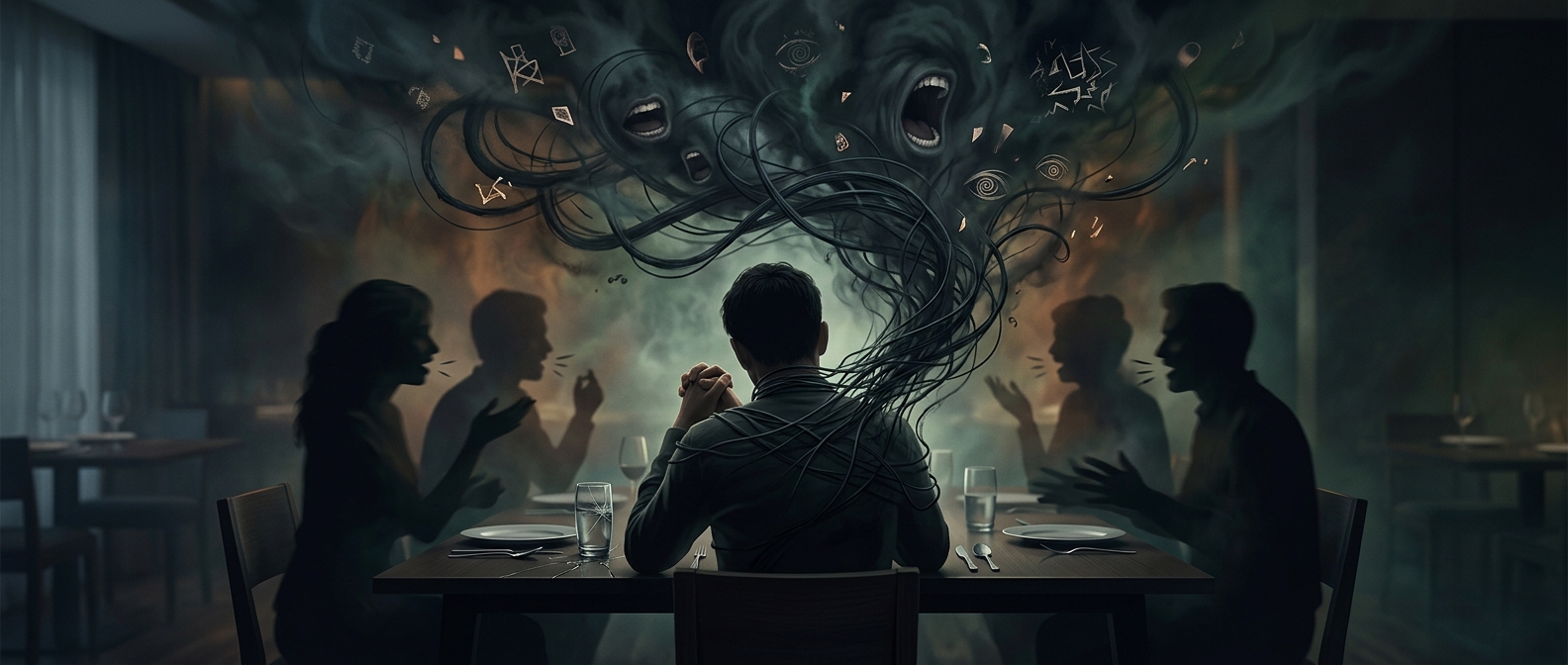
The error can also seem to say something larger than it does. A typo may shift from “I missed a word” to “I’m careless” or “They think I’m incompetent.” That leap turns a specific, fixable event into a judgment about the whole performance—or about yourself. The audience, meanwhile, may have noticed the typo and moved on.
Put the mistake back in proportion
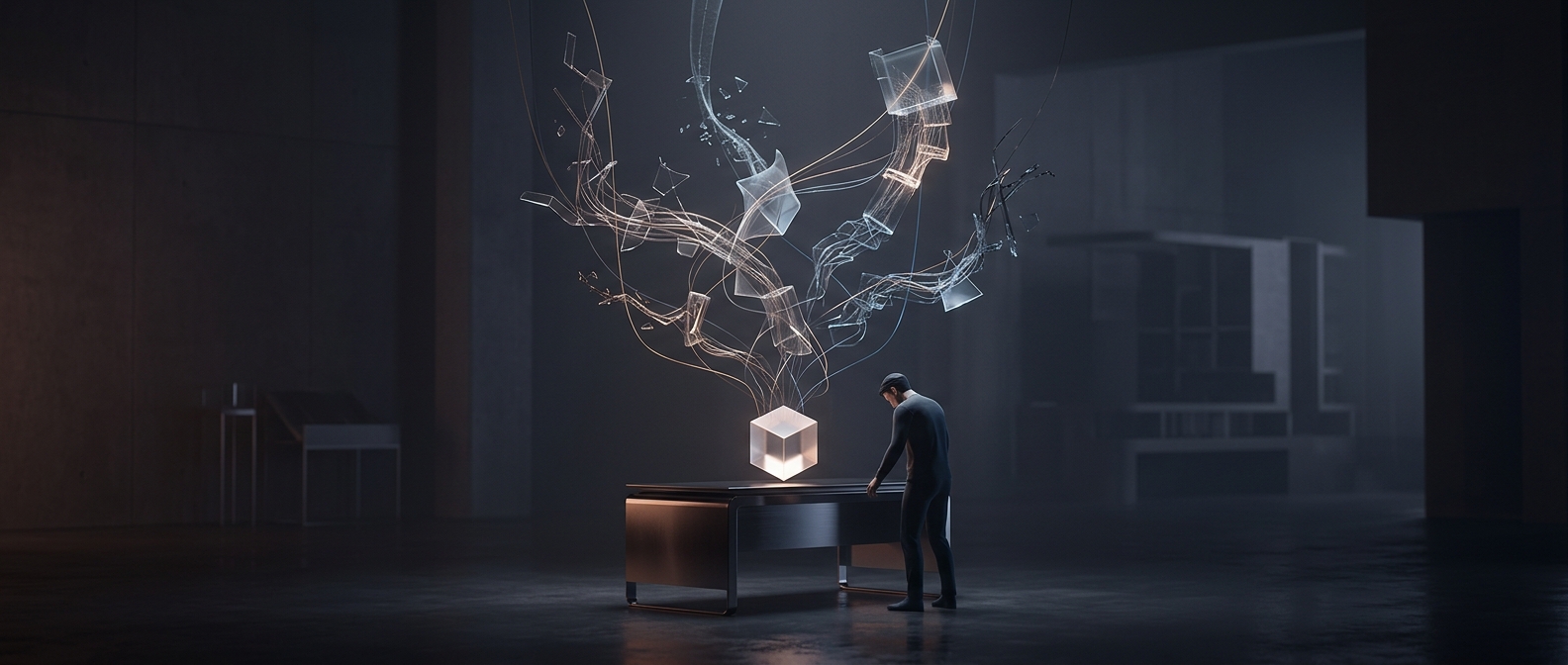
A useful response is to separate what happened from what it supposedly proves: identify the concrete error, decide whether anything needs correcting, and then consider the whole event rather than the moment that stung most. This does not mean pretending the mistake did not happen. It means treating it as one piece of evidence, not the verdict.
That distinction matters because attention is not a fair scorekeeper. A single visible flaw can dominate your memory without representing what others noticed or how well the presentation went.