Why Dinner Talk Can Feel Like a Test
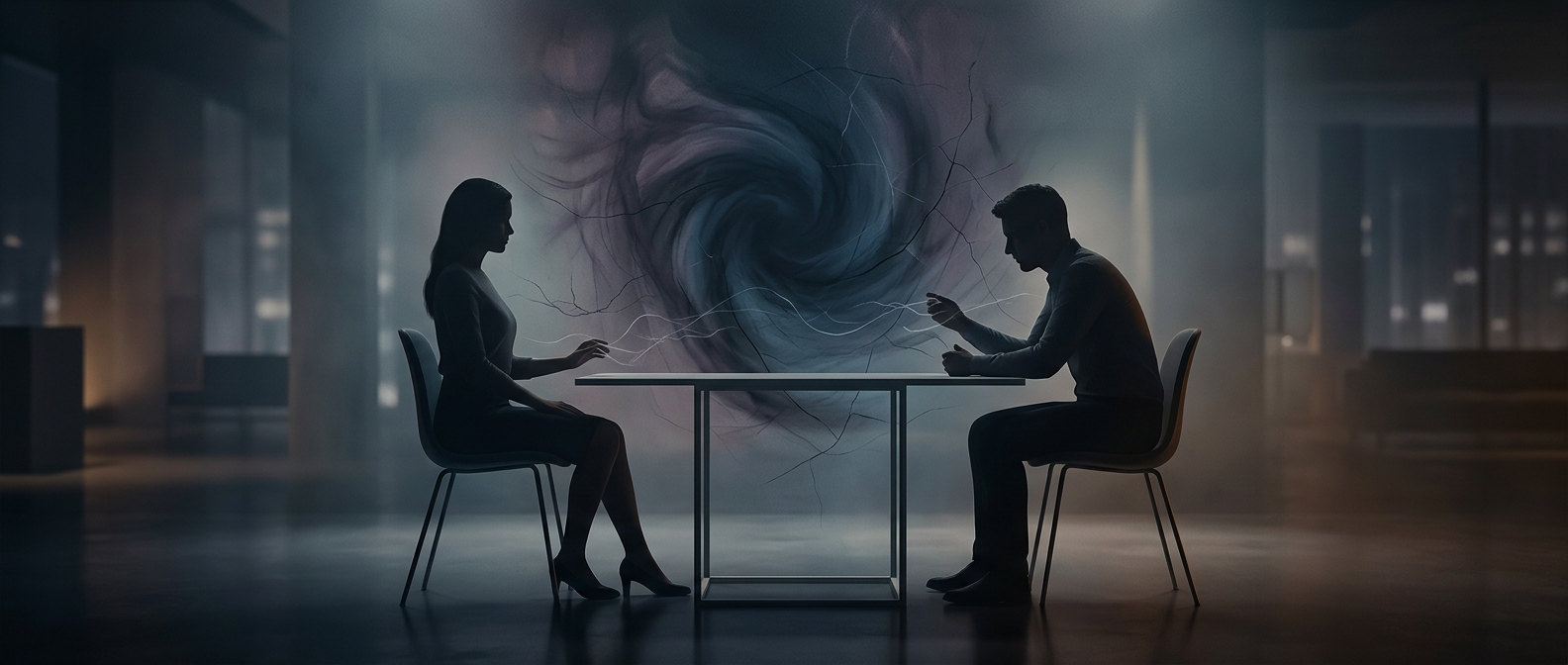
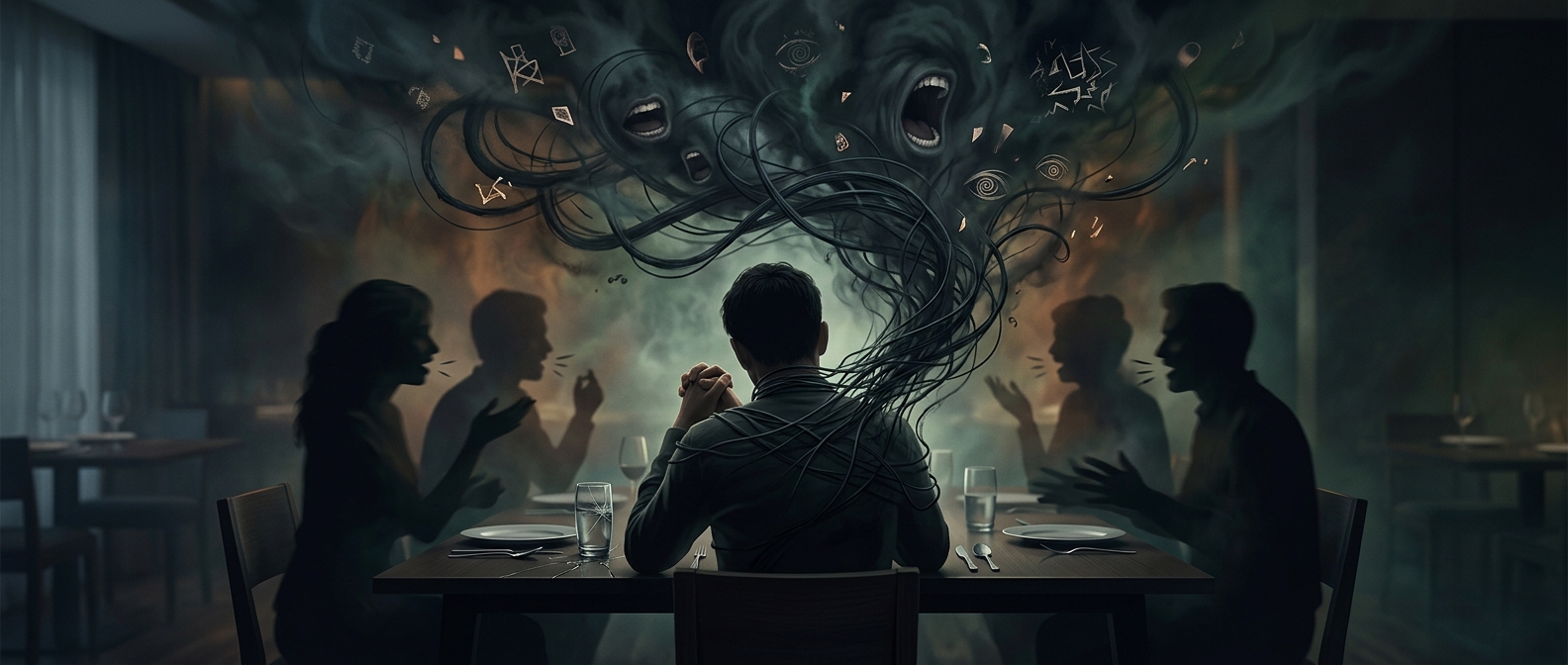
Conversation moves faster than deliberate thought. A person has to listen, decide what a remark means, choose a reply, and notice when it is their turn—all while responding to other people’s expressions and pauses. When anxiety is severe, the brain may treat this uncertainty as a warning that a social mistake is imminent.
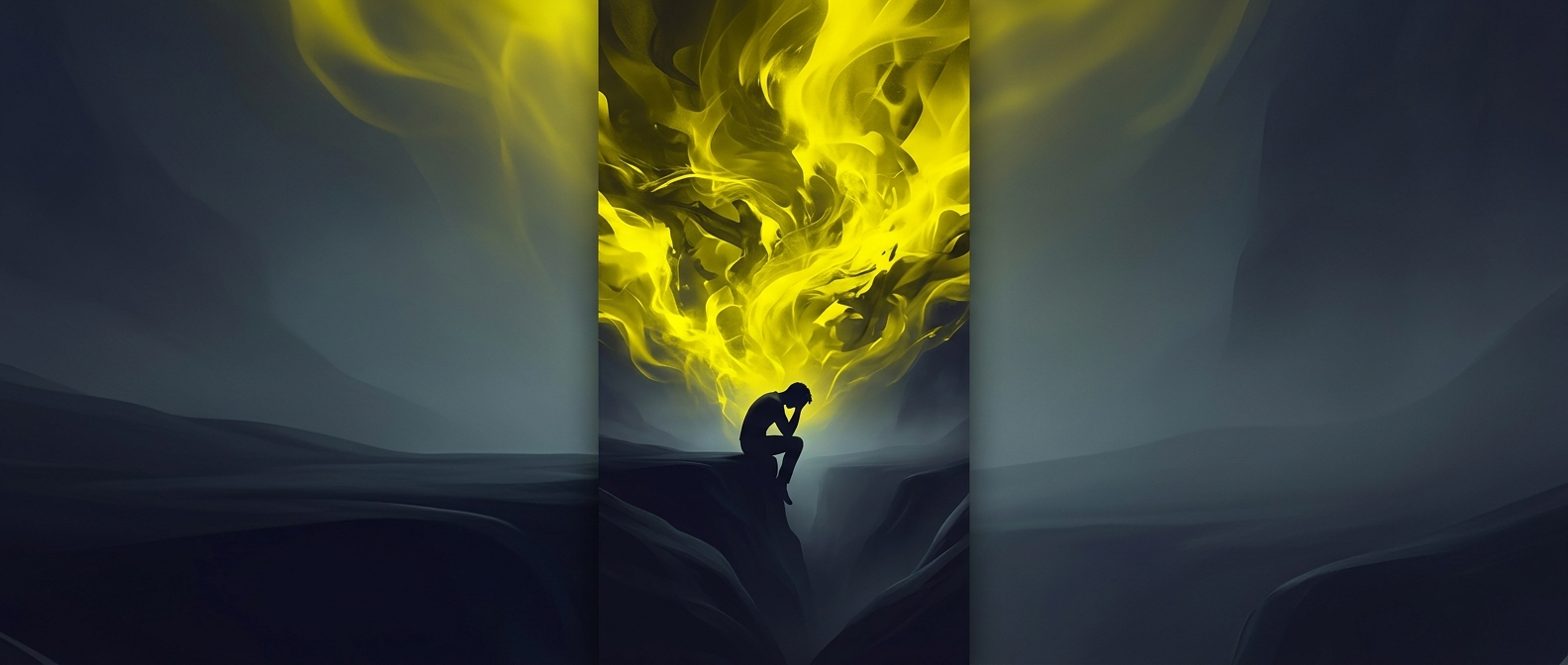
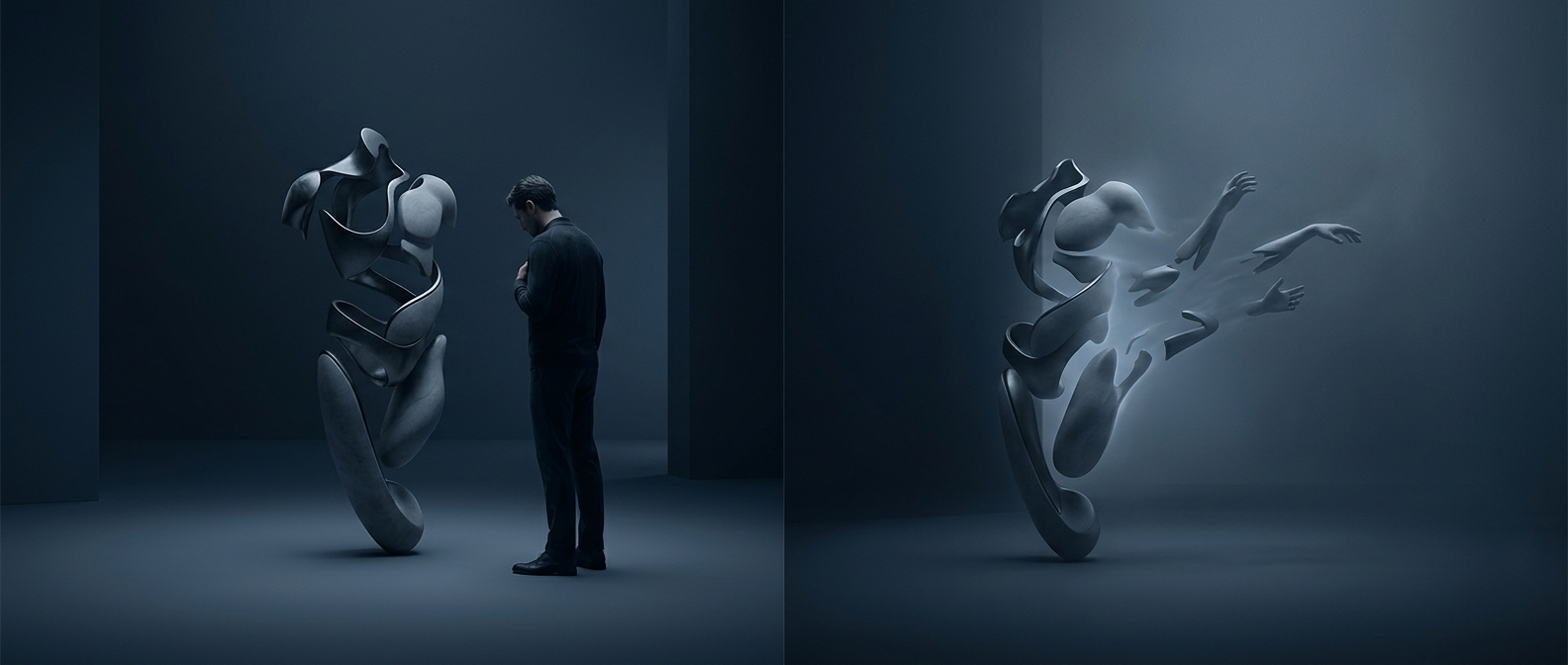
That warning can pull attention inward. Instead of following the story at the table, someone may monitor their voice, facial expression, or choice of words. This self-checking uses attention that would otherwise help them listen and respond naturally. A pause that another guest barely notices can then seem like evidence that the conversation has gone wrong.
How the Loop Feeds Itself
An anxious person may try to prevent embarrassment by rehearsing a sentence, speaking less, or reviewing each comment afterward. These strategies can offer a brief sense of control, but they also keep the possibility of failure in the foreground. Speaking less can make it harder to find an easy opening; replaying a remark can turn an ambiguous moment into a perceived mistake.
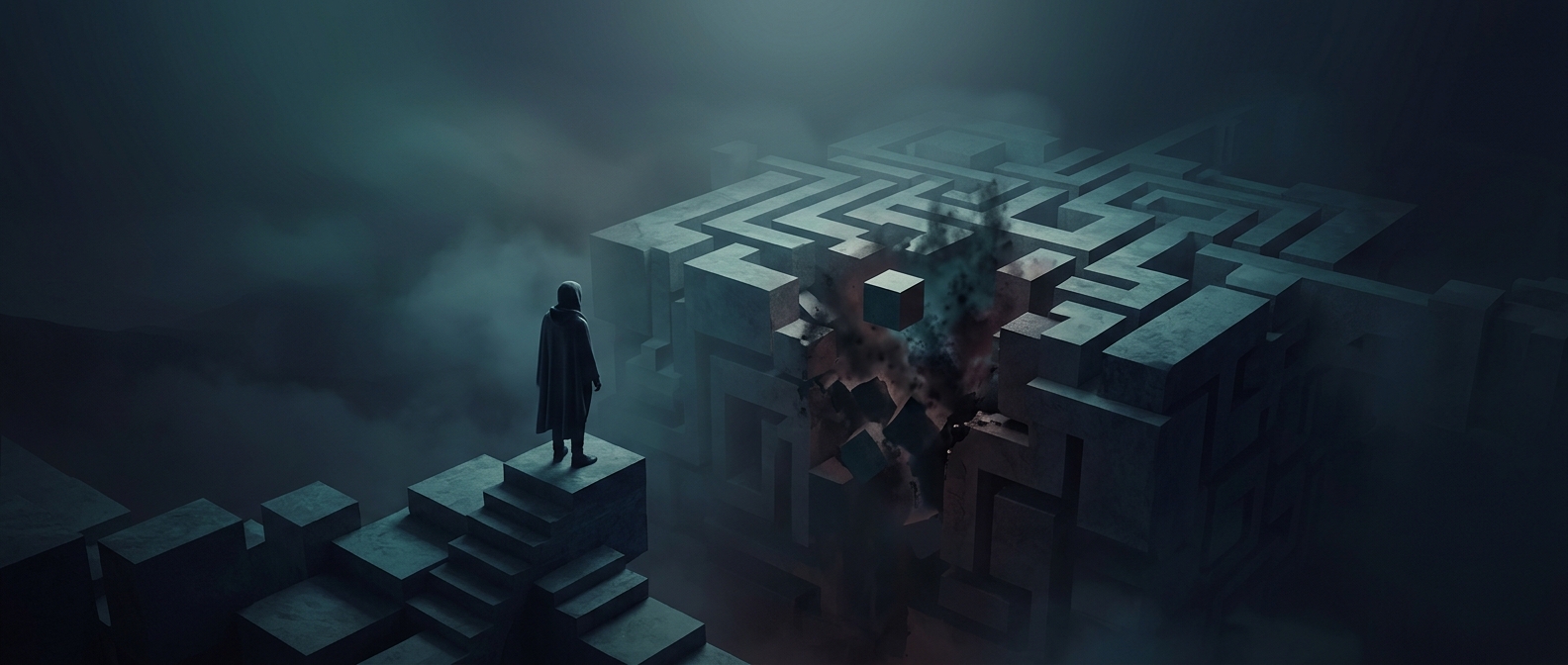
The result is not simply shyness or a lack of interest in the people at the table. It is a cycle in which threat-focused attention makes ordinary conversational gaps feel consequential, and the effort to manage every moment leaves less room to enjoy the meal. A dinner can be tiring even when nothing visibly goes wrong—because much of the work is happening privately, between one turn to speak and the next.