Why bed can become more than a place to rest
When someone repeatedly stays in bed to escape stress, low mood, or overwhelming demands, the immediate relief can teach the brain to reach for the same escape again. Psychologists call this negative reinforcement: a behavior becomes more likely because it briefly removes something unpleasant. The relief is real, even if the underlying problem remains.
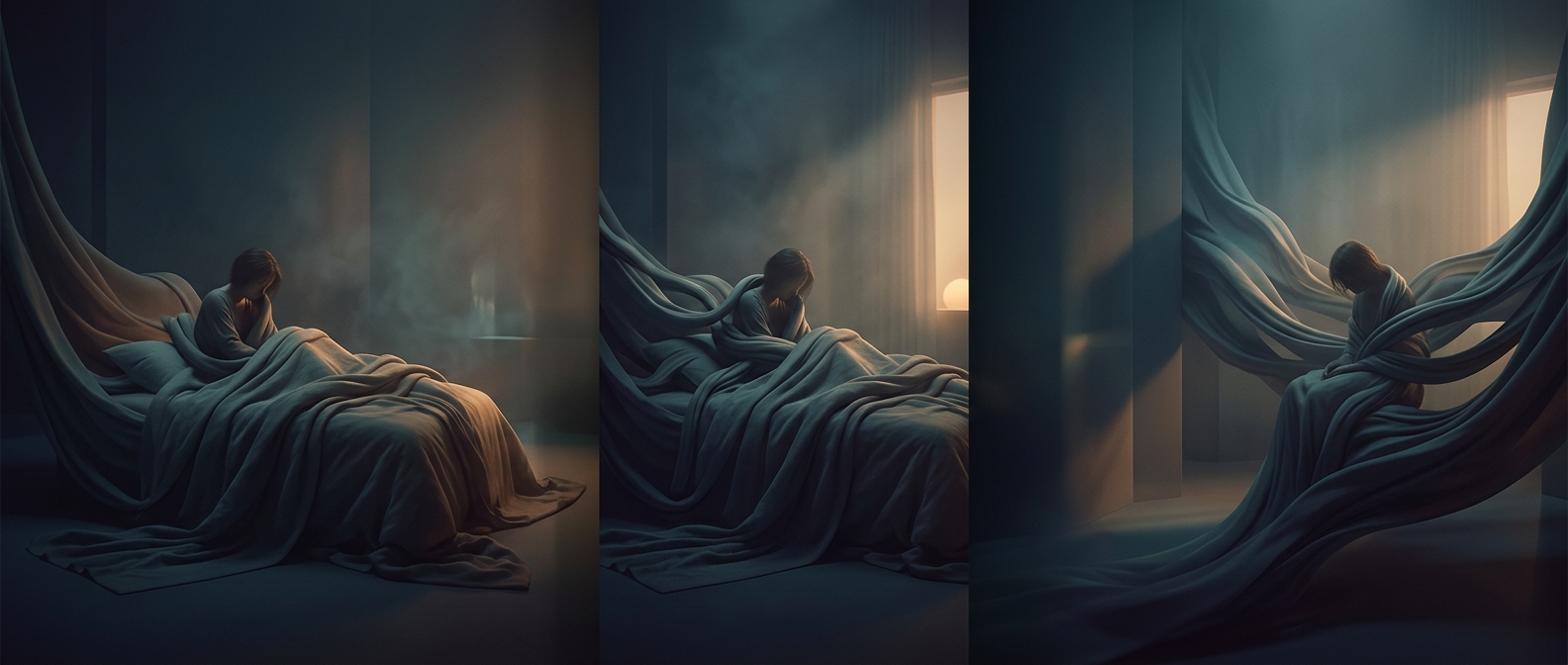
Bed can also become a cue for withdrawal. The longer a person spends there, the more effort it may seem to take to get dressed, answer a message, or begin a task. Those activities can feel especially unrewarding when energy or mood is low, while the bed offers familiar comfort and fewer demands.
How the pattern sustains itself
Staying in bed can shrink the day’s opportunities for contact, movement, and small successes. With fewer chances to experience something manageable or enjoyable, life outside the bed may feel even harder to face. That makes retreat more appealing, which further reduces the experiences that might help restore momentum.
This is a self-reinforcing loop, not proof of laziness or a lack of willpower. A difficult day in bed is not, by itself, a disorder; persistent withdrawal can occur alongside depression, anxiety, illness, or other problems and deserves attention in its full context.
Why small steps matter
Breaking the loop often means making re-entry less daunting rather than demanding a sudden return to a full schedule. A small action—sitting up, opening the curtains, or moving to another room—can create a foothold for the next one. The key change is not simply leaving the mattress: it is giving the day a chance to offer experiences that avoidance has been shutting out.