How an Impulse Gets a Different Outlet
In psychology, sublimation is a term for redirecting an unacceptable or disruptive urge into an activity that is constructive or socially acceptable. The classic example is channeling aggression into competitive sport, demanding physical training, or disciplined work. The goal is not to pretend the feeling is absent; it is to give the urge a form that can be acted on without causing the same harm.
The idea is associated with psychoanalytic theory, which treats it as a defense mechanism: a way the mind manages feelings or wishes that might be difficult to express directly. “Defense mechanism” does not mean a person consciously plans a substitute. Someone may simply discover that exercise helps them handle frustration, or that focused making and repairing gives restless energy somewhere to go.
Why the Substitute Can Help
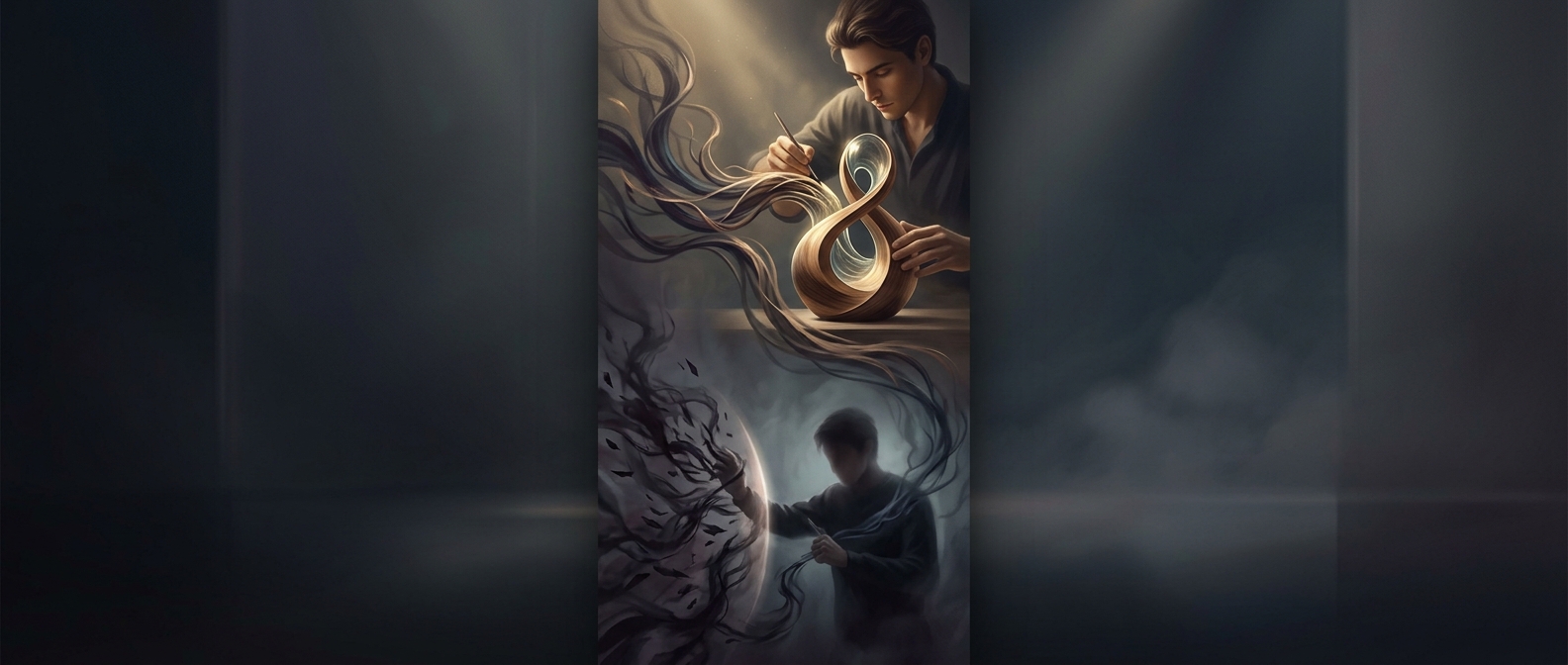
A useful outlet changes what happens next. Anger that might otherwise spill into an argument can become the effort of finishing a hard workout; an urge to control a situation can become care and precision in a craft. The activity provides structure, a goal, and feedback. It can turn a momentary impulse into practice—and practice into something tangible, such as a repaired object, a completed project, or improved skill.
That does not mean every intense hobby is sublimation, or that work automatically resolves the feeling underneath it. A constructive outlet can coexist with unresolved anger, and it does not excuse harmful behavior. The important distinction is whether the impulse is being expressed in a way that is safer and more useful, rather than merely displaced onto another person.
The Impulse Is Redirected, Not Erased
Sublimation is best understood as a possible route for handling difficult feelings, not a guaranteed cure or a measurable flow of emotional energy. Its practical value is easy to recognize: the same frustration that could damage a conversation may instead help someone complete a demanding task. The feeling may remain, but its consequences can change.