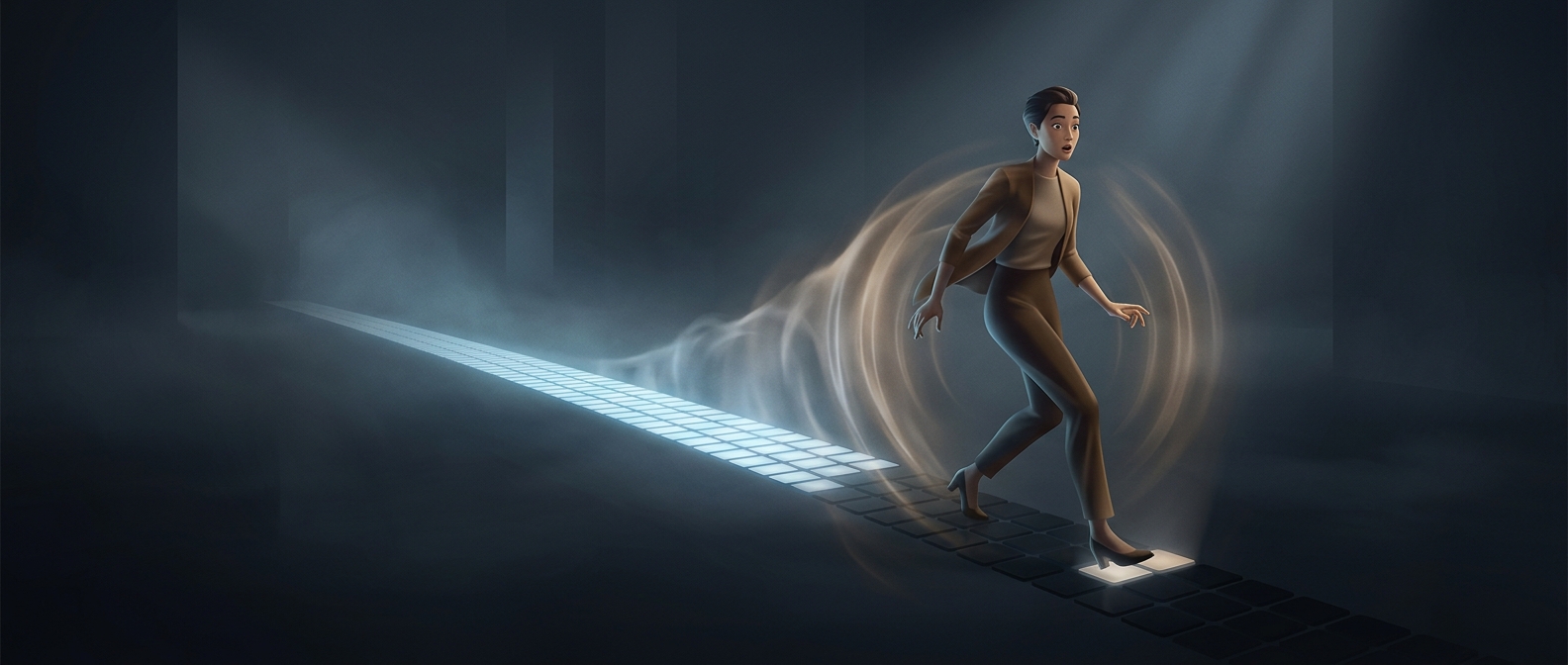
Why silence can feel like social erasure
Being ignored is ambiguous: the other person may be distracted, or they may be deliberately withholding acknowledgment. But in the moment, that uncertainty can still sting. A greeting without a reply, a message left unanswered, or a conversation that moves on without you can register as a sign that you do not matter to the group.
People are highly attuned to cues of inclusion because belonging affects how secure and valued they feel. When attention disappears, the mind may focus less on the practical question—why hasn’t this person responded?—and more on the social one: what does this say about my standing?
How conflict becomes a form of attention
A slight can create a strong urge to restore a sense of control or recognition. Retaliation seems to offer both: confronting, provoking, or embarrassing the person forces them to respond. Even an angry reaction confirms that the ignored person has become impossible to overlook.
That is the trap. A reaction can feel like recognition without providing respect or closeness. The person may get the attention they wanted, but in a form that deepens hostility and makes a genuine repair harder. The other party may then withdraw further, which can reinforce the original feeling of being excluded.
The pause that changes the outcome
Because silence can have several explanations, treating it immediately as deliberate rejection can turn uncertainty into a feud. Waiting, checking what happened, or stating plainly that the lack of response felt hurtful can make room for an explanation without requiring a public confrontation.
Revenge can make someone visible for a moment. It cannot ensure that they feel included afterward.