Why the Terminator Needed to Feel Unstoppable
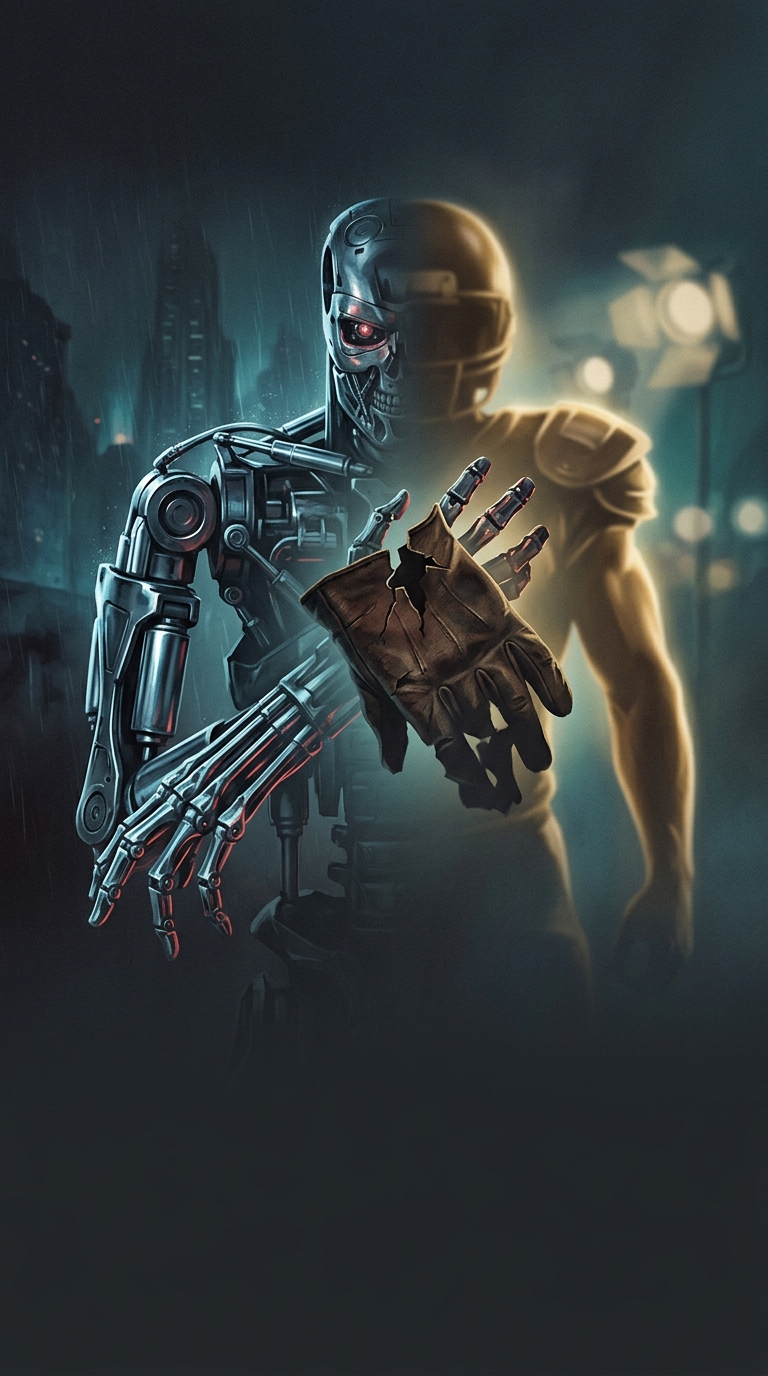
In The Terminator, the cyborg assassin is frightening not because he is angry or cruel in a familiar human way, but because he keeps pursuing his target with machine-like persistence. The role depends on an audience believing that the figure on screen can be dangerous even when he is standing still. A performer’s face, voice, and physical presence all help establish that threat before the story explains what he is.
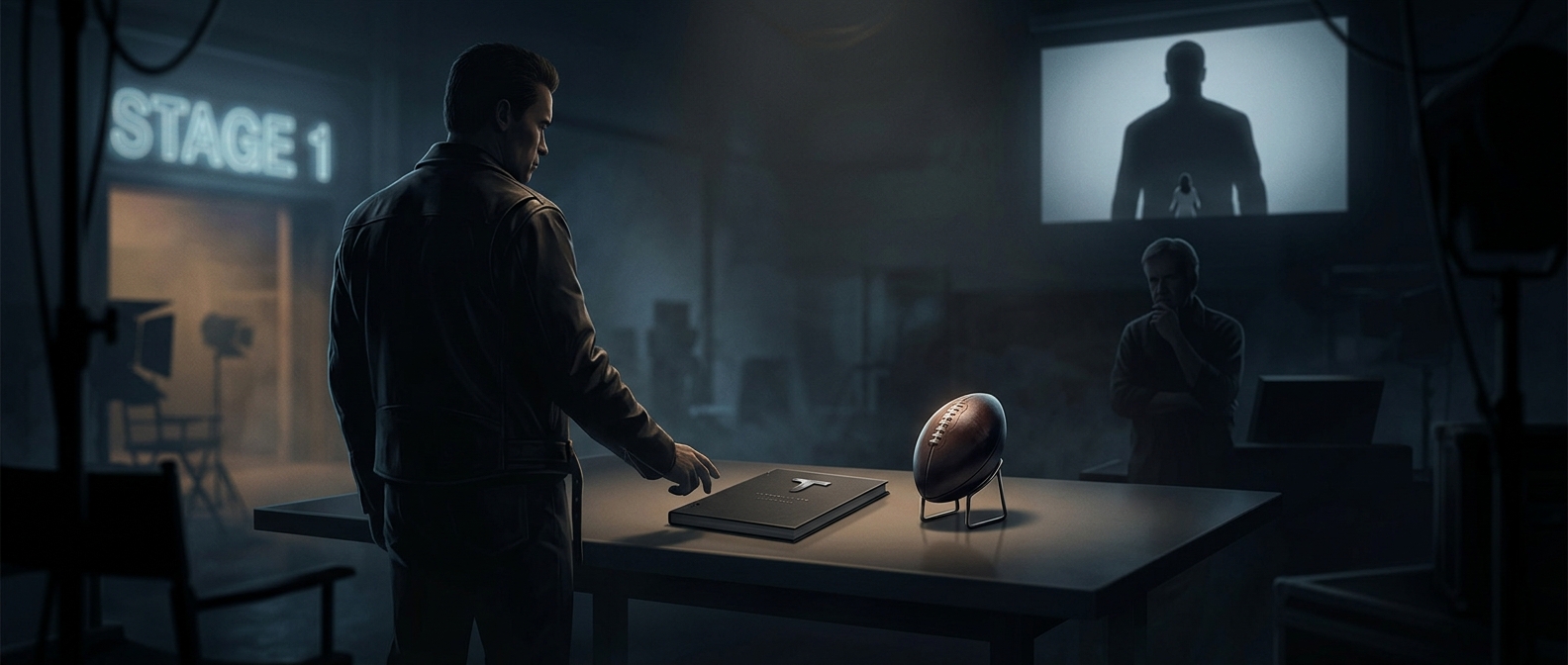
That makes the reported consideration of O.J. Simpson an illuminating casting contrast. Simpson was widely associated with likability and an easygoing public persona—the very qualities that could make a remorseless killer harder to accept. The issue was not whether he could play a role in the abstract; it was whether viewers would read him, at first glance, as someone to fear.
Casting Against the Audience’s Expectations
A science-fiction film can explain its machinery with dialogue and effects, but it cannot make a character’s emotional effect automatic. The actor has to sell the premise through choices viewers can immediately read: a controlled expression, economical movement, or a refusal to react like an ordinary person. If an audience sees warmth or comic charm instead, it may take longer to accept the character as a relentless threat.
Cameron’s reported objection points to a practical lesson in screen casting: the right performer is not simply the one who fits a role’s description, but the one whose presence makes the audience believe the role. For a killer designed to seem almost beyond persuasion, an approachable or goofy quality could have changed the entire temperature of the film.