A production delay changed the face of Wolverine
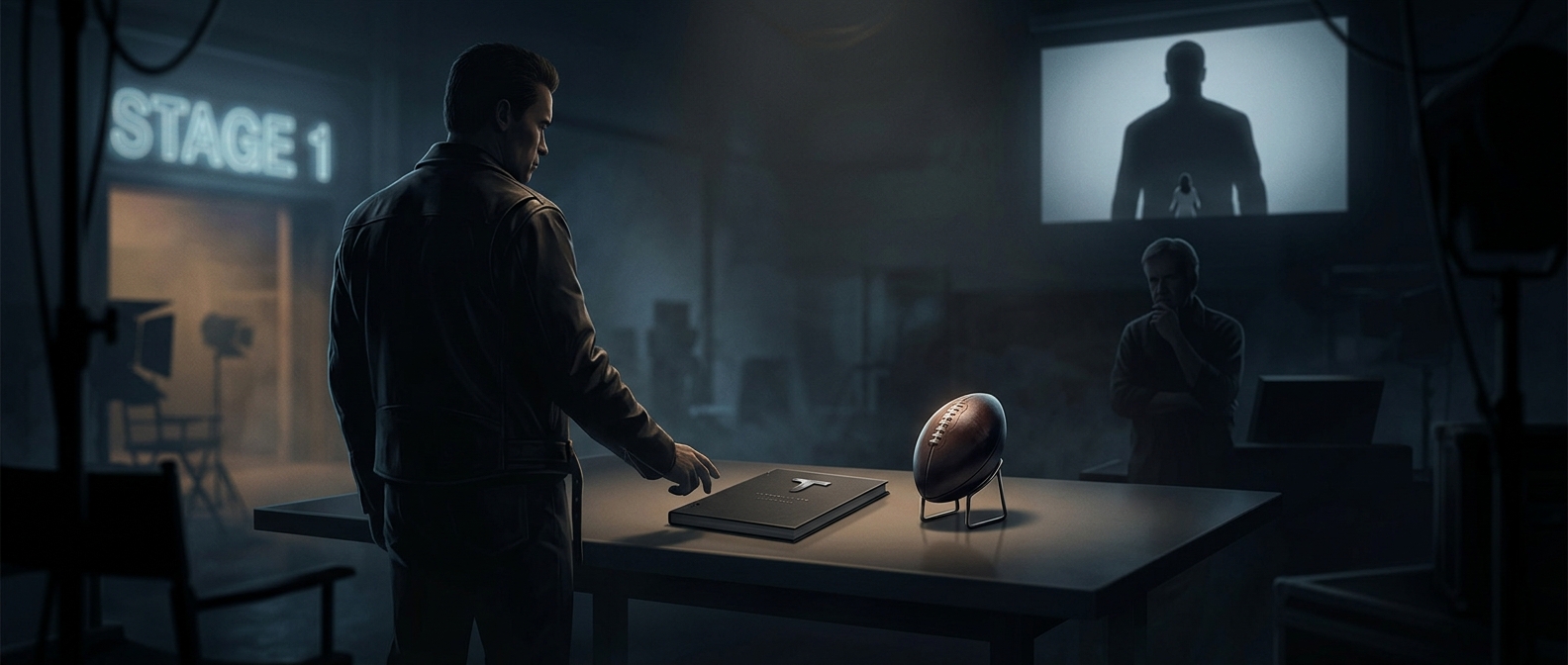
Casting a superhero is not just a matter of finding the right performer. The actor must also be available when a large production is ready to shoot—and one film’s schedule can collide with another’s. Dougray Scott was committed to Mission: Impossible 2, whose filming ran long. With X-Men moving ahead, the filmmakers could not wait indefinitely for their first choice.
Hugh Jackman was brought in to take over the part. He was a relatively unfamiliar screen presence, especially beside the established names in the cast. That made the choice a practical gamble: the production needed an actor who could step into a major role quickly, then persuade audiences that this sharp-edged, physically imposing character belonged at the center of the story.
A replacement became the lasting interpretation
Wolverine’s appeal depended on more than muscle. He is an outsider with a volatile temper, a guarded past, and flashes of loyalty beneath the defensiveness. Jackman’s performance gave those contrasts room to register, helping make the character a bridge between the X-Men team and viewers encountering the franchise for the first time.
The role also outlasted the original casting problem. Jackman returned across multiple films, so an emergency substitution became a long-running screen identity. That continuity matters: each return added to the audience’s sense of what a live-action Wolverine looked and sounded like, making the actor difficult to separate from the character.
Scott’s departure is therefore a striking example of how Hollywood timing can shape a franchise. A schedule conflict did not merely change one credit; it redirected a role that would become one of the defining performances of the X-Men films.