When More Books Felt Like a Threat
Printing did more than make books faster to produce. It let the same words travel beyond the small circles of readers who had once encountered manuscripts through personal or institutional channels. As printed material spread, people could meet arguments, interpretations, and claims that local authorities had not selected or explained for them.
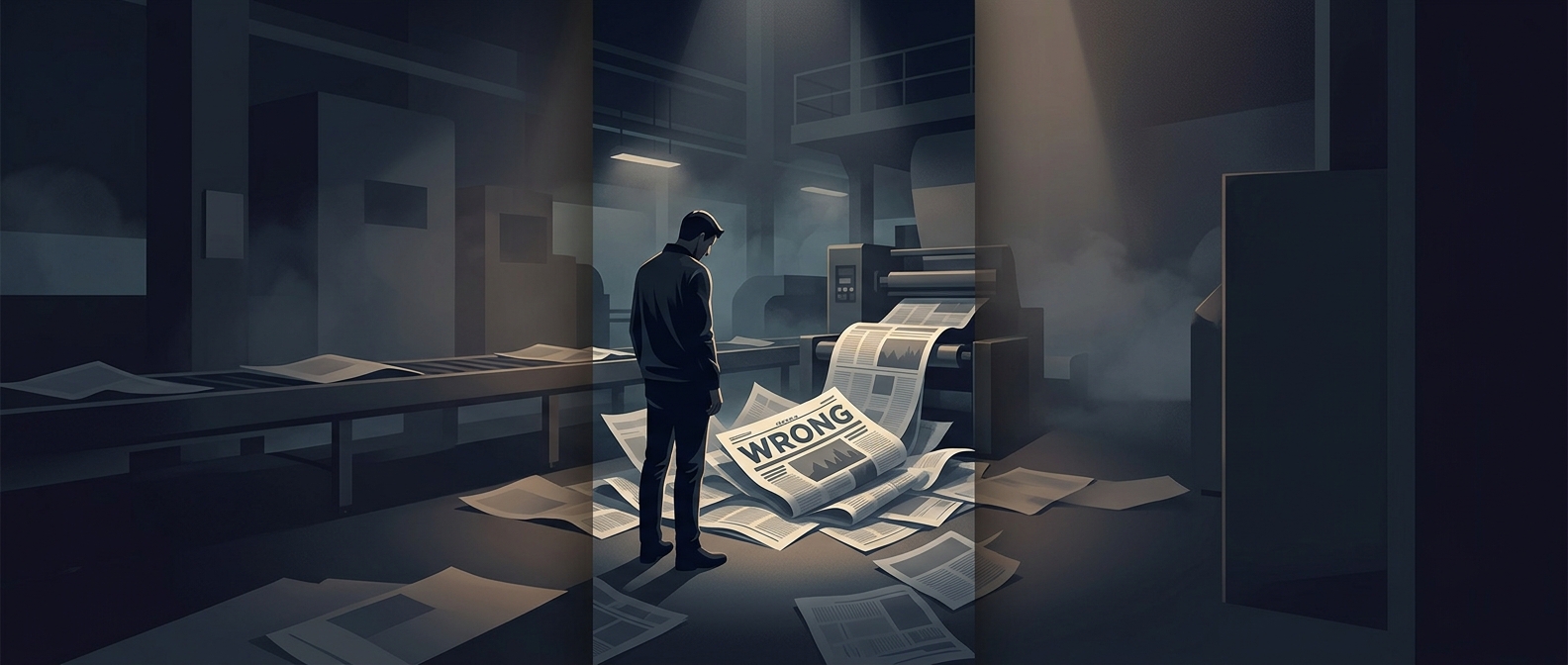
For critics, that change raised a question about the reader’s mind: could people absorb and judge so much material without becoming confused? The worry was not simply that a particular book might be wrong. A growing flood of competing texts, they feared, could weaken careful study and make it harder to tell sound knowledge from error.
The Anxiety Behind the Warning
Before print, copying a text by hand made its circulation slower and more limited. Printing loosened that constraint: once a text was set for printing, many copies could carry it farther. That expanded access, but it also made ideas harder to contain. A reader might encounter rival religious or political claims without the guidance that had previously shaped how texts were read.
The warning that information could harm the mind was therefore also a warning about judgment and authority. If readers were exposed to more than they could evaluate, critics feared, abundance might produce bewilderment rather than wisdom. The press made information easier to distribute, but it could not ensure that readers had the time, context, or skill to assess it.
A Familiar Fear in a New Medium
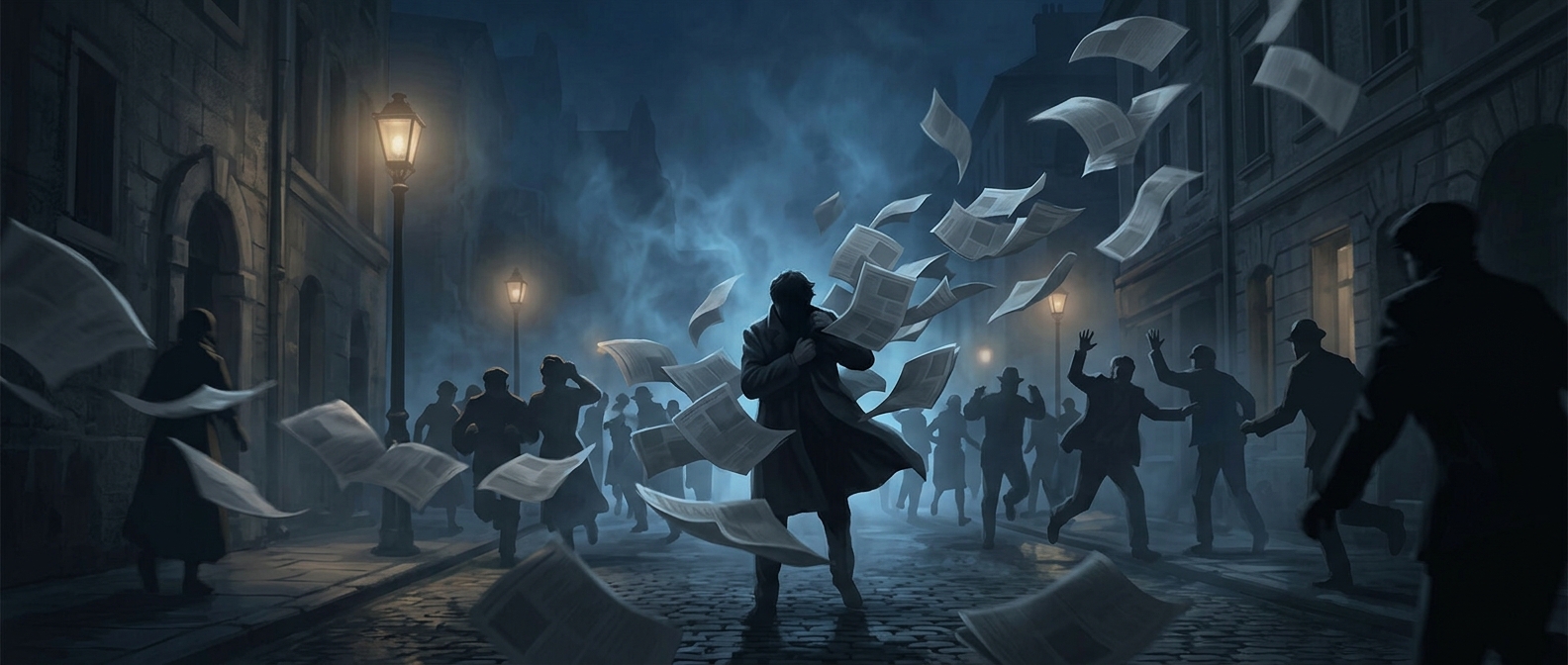
That tension is one reason the printing press mattered beyond the books it produced. Each expansion of access also raised concerns about who would interpret what people read—and what might happen when readers encountered ideas beyond established controls. The medium changed the scale of the problem: a disputed claim could reach many minds before anyone could settle what to make of it.