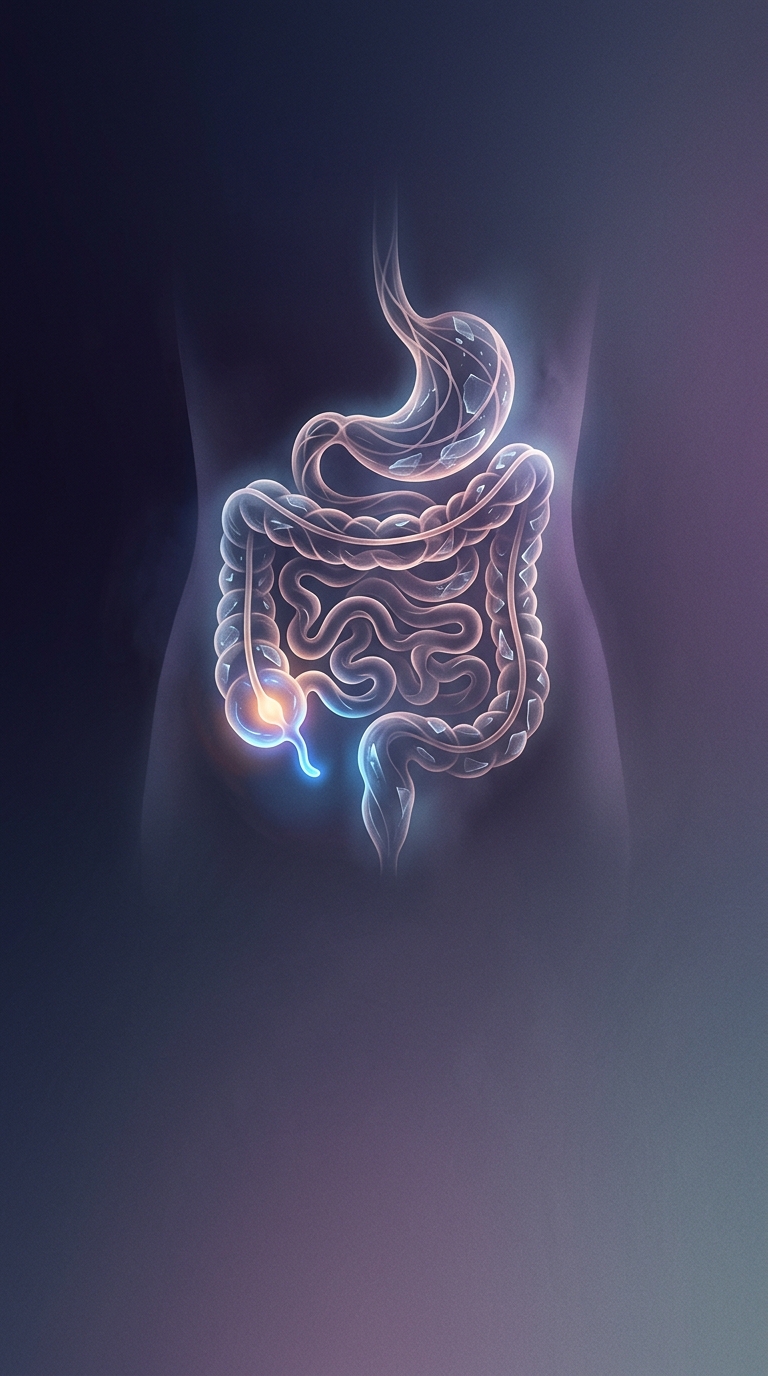
How anxiety can turn into digestive distress
The gut is not simply reacting to anxious thoughts; it is in constant two-way communication with the brain. Nerves carry signals between them, while stress-response chemicals help adjust how the body handles a perceived threat. When anxiety keeps that system activated, digestion can change along with heart rate and muscle tension.
In a threat state, the body shifts resources toward immediate action. Signals from the brain can alter the contractions that move food through the digestive tract. Depending on the person and the part of the gut involved, movement may speed up, slow down, or become less coordinated—contributing to diarrhea, constipation, cramping, or nausea. Anxiety can also make the gut more sensitive, so ordinary stretching or movement feels painful.
Why the discomfort can feed the anxiety
Pain and urgency are attention-grabbing. A person may start monitoring every sensation, worrying about when symptoms will strike, or avoiding meals and situations where a bathroom is hard to reach. That vigilance can heighten stress, which may in turn amplify gut sensations. The result is a loop: anxiety worsens digestive symptoms, and the symptoms create new anxiety.
This does not mean the pain is imaginary. The sensations are real, even when stress helps trigger or intensify them. Nor does anxiety explain every stomach problem: persistent or severe pain can have other causes and deserves medical attention, especially if it is new or accompanied by concerning symptoms. The brain–gut connection explains how emotional stress can produce bodily distress without making that distress “all in your head.”