The Appendix Is an Immune-System Outpost
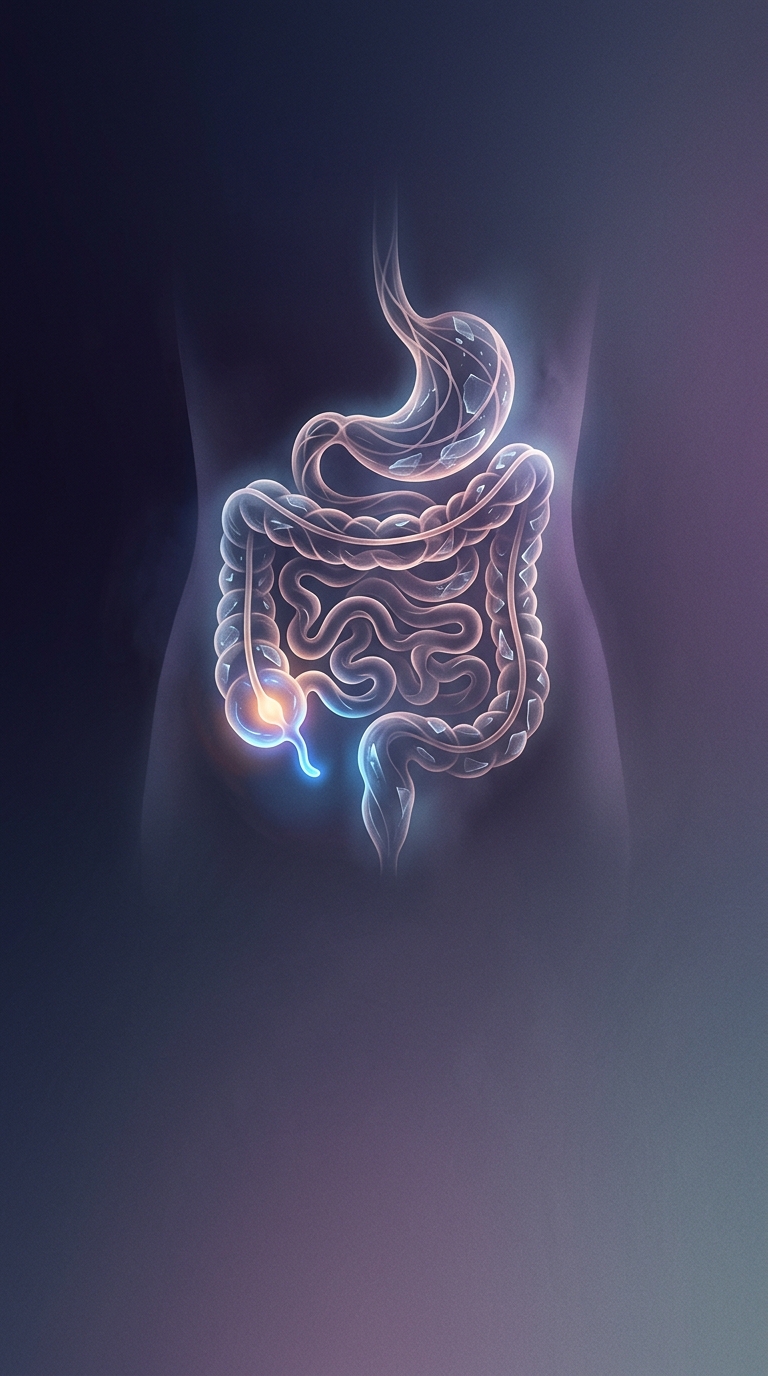
The appendix is a narrow pouch attached to the beginning of the large intestine. For much of modern medical history, its small size and the fact that people can live without it made it seem dispensable. But it contains abundant immune tissue, especially early in life, when the immune system is learning to recognize threats in the gut.
That tissue helps sample bacteria and other material passing through the intestine. Immune cells use those encounters to build responses to pathogens while learning not to overreact to harmless microbes and food. The appendix is not the body’s main defense system, but it is positioned to contribute to this gut-level training.
A Possible Refuge for Helpful Microbes
The appendix’s shape may also give it a second role. Its opening is relatively narrow, and its interior can be less exposed to the forceful flow of intestinal contents. During some severe intestinal infections, that sheltered space could help beneficial gut bacteria survive while much of the surrounding microbial community is disrupted. Those survivors may then help replenish the intestine afterward.
This proposed “safe house” function fits with the appendix’s immune activity: immune tissue can interact with microbes, while the structure offers some protection from being swept away. It does not mean the appendix stores a perfect or permanent supply of good bacteria, and its precise contribution varies among people and circumstances.
Useful, but Not Essential
If the appendix becomes inflamed, doctors can remove it; other parts of the immune system and gut microbiome can carry on without it. That makes the organ helpful rather than indispensable. Its reputation as useless arose partly because its function is supportive and hard to notice—not because it does nothing.