The gut’s serotonin-making cells
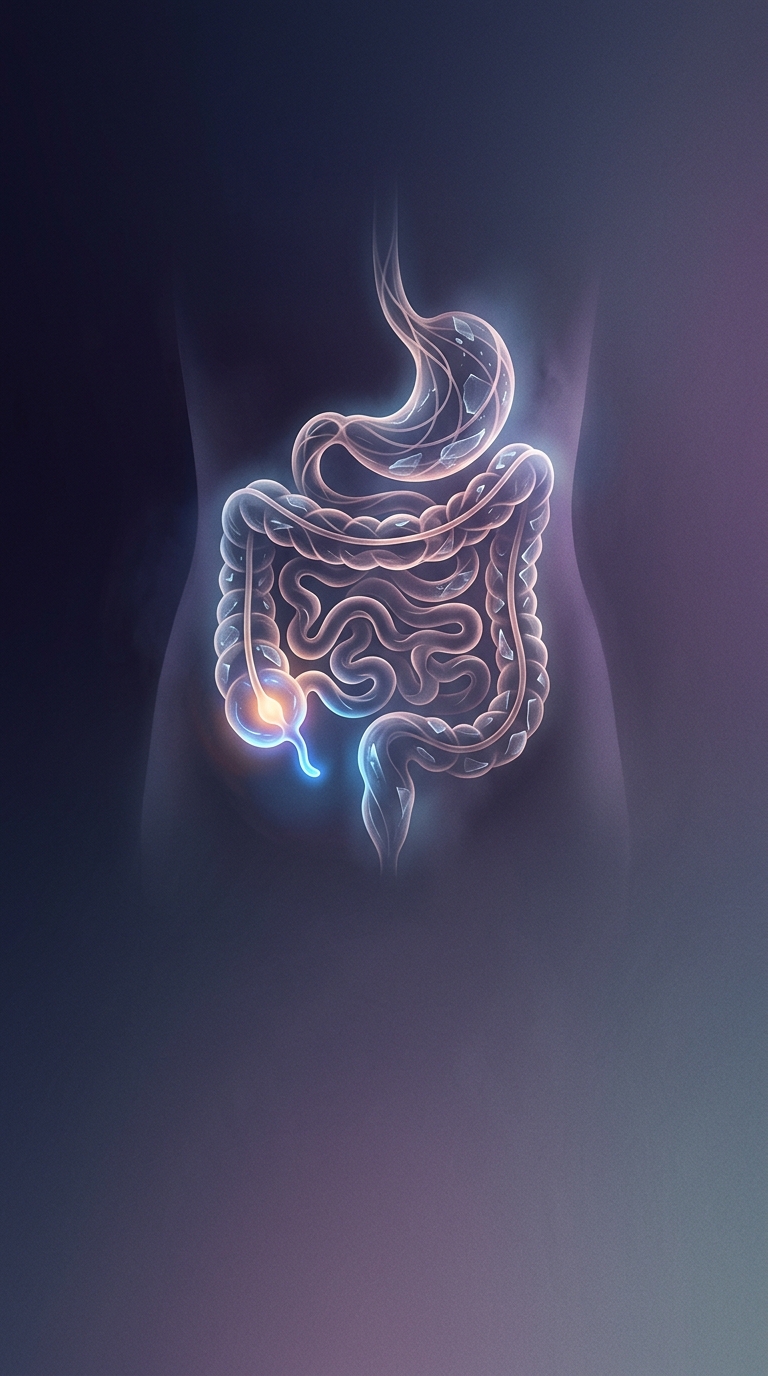
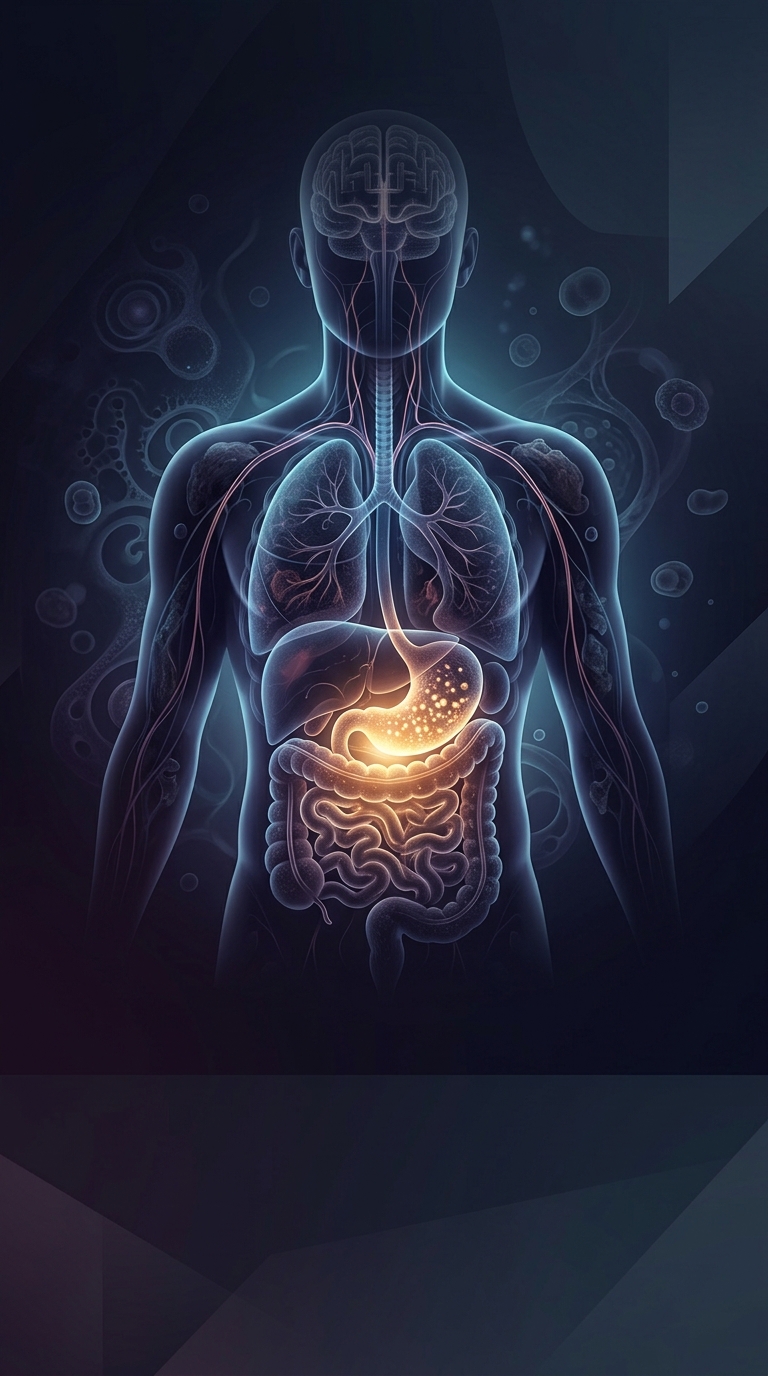
Most of the body’s serotonin is made in the digestive tract, chiefly by specialized cells in the gut lining called enterochromaffin cells. They are not neurons. They monitor what is passing through the intestine—including stretching and chemical changes—and release serotonin when the gut needs to respond.
That serotonin helps coordinate intestinal movement and fluid secretion, and it can activate nearby sensory nerves. In practical terms, it helps the digestive tract move its contents along and report discomfort or other signals to the nervous system.
Gut serotonin is not brain serotonin
The fact that the gut makes most of the body’s supply does not mean it directly supplies the brain. Serotonin made in the gut cannot cross the blood–brain barrier, the protective boundary that controls what enters the brain. The brain makes its own serotonin, using a separate set of nerve cells.
So the nickname “happiness hormone” can mislead: serotonin has different jobs in different parts of the body, and gut production is not a simple measure of mood. After gut cells release serotonin, platelets in the blood can take it up and carry it, while the local supply continues to influence digestion. The striking split is that one chemical name covers two largely separate systems—one helping the intestine run, the other involved in brain signaling.