How the Gut Can Influence Mood
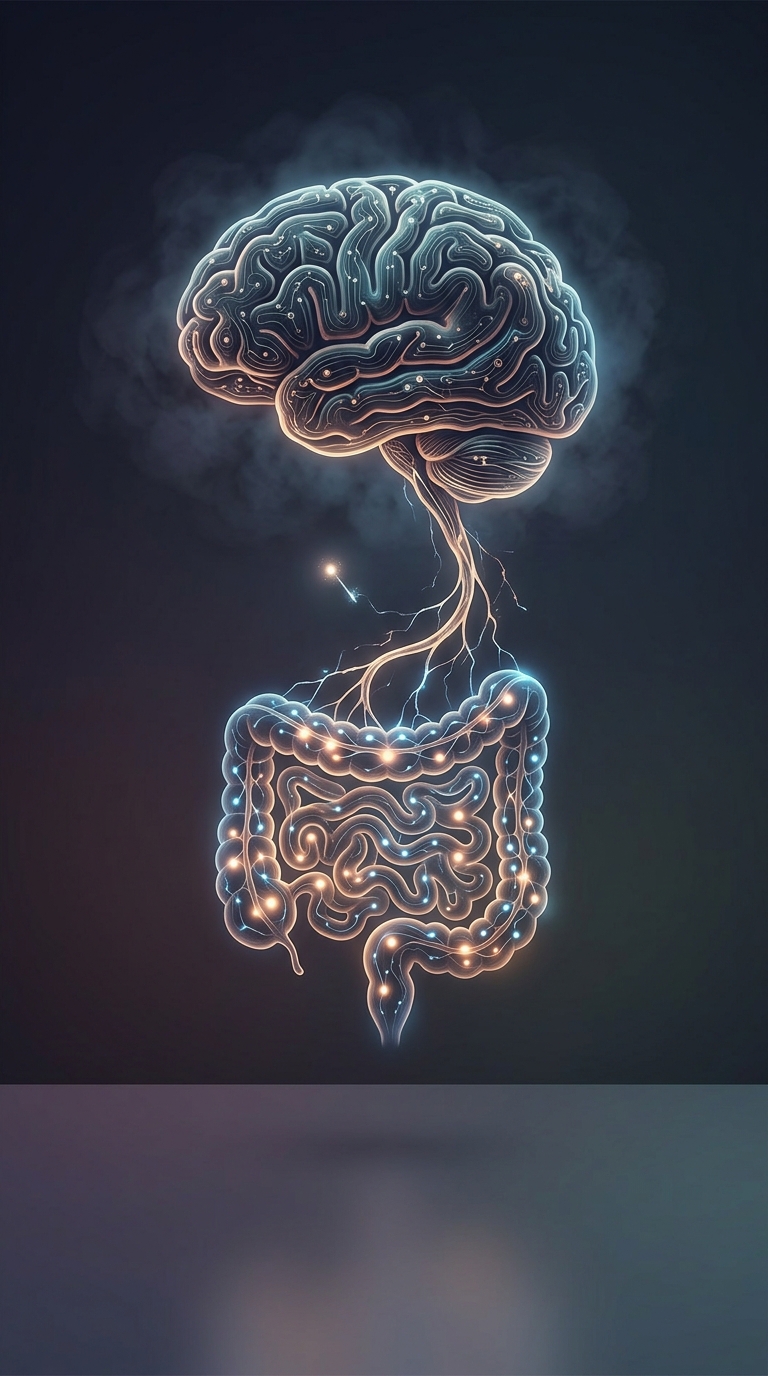
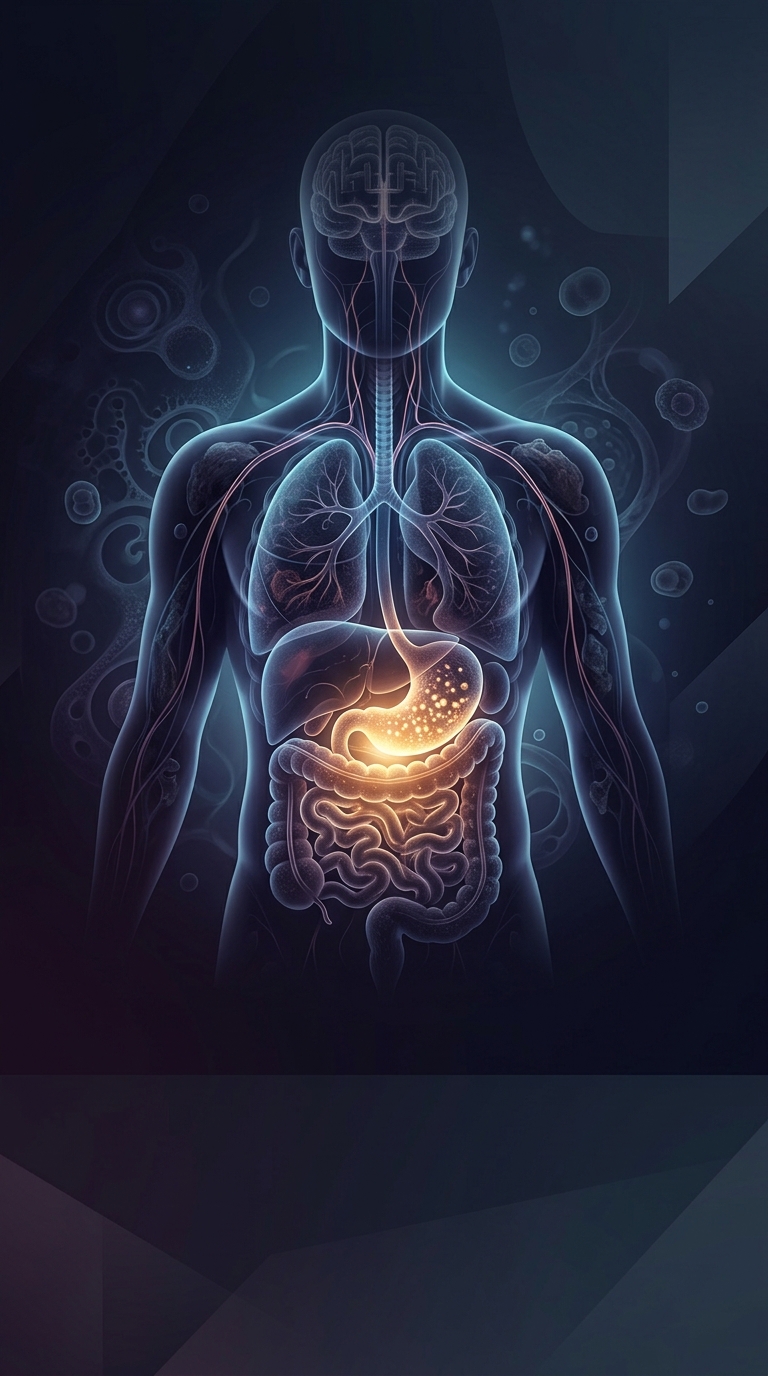
The gut is more than a digestive tube: it communicates constantly with the brain. This two-way connection, often called the gut–brain axis, involves nerves, hormones, immune signals, and chemicals made by gut microbes—the bacteria and other tiny organisms living in the digestive tract.
One important route is the vagus nerve, a major nerve that carries signals between the gut and brain. Gut microbes also help break down food into substances that can affect inflammation and brain signaling. These pathways make it biologically plausible that changes in the gut may influence mood, stress responses, or sleep.
A Connection, Not a Simple Cause
Studies have found differences in gut microbes among some people with depression, but those patterns do not establish that an unhealthy gut caused their depression. Mood can affect eating, sleep, activity, and digestion, which may in turn change the gut environment. Medication and other health conditions can also matter. The relationship may run in both directions, and it likely differs from person to person.
That is why “checking your gut” is not a stand-alone test for depression. There is no routine microbiome test that can diagnose it or identify a proven diet or supplement treatment for an individual. Persistent low mood deserves a proper mental-health assessment; digestive symptoms deserve medical attention in their own right.
What the Gut Clue Is Good For
The gut–brain connection is a useful reminder that mental and physical health are intertwined. Regular meals, adequate sleep, movement, and treatment of digestive problems can support overall well-being, but they are not substitutes for evidence-based depression care. The surprising part is not that the gut secretly explains every case—it is that signals from digestion and microbes are among the many inputs the brain uses to regulate how we feel.