When mood has a bodily cause
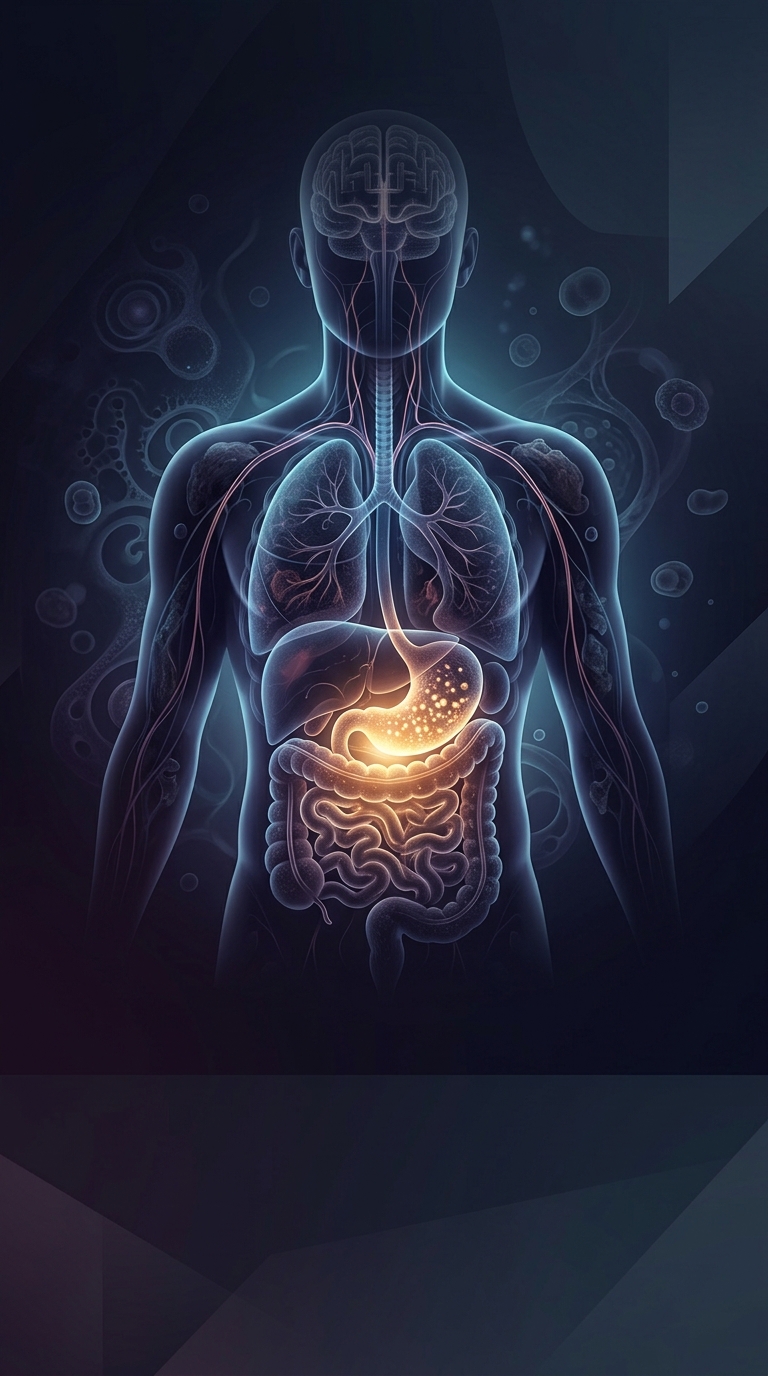
A low mood or short temper can be shaped by more than thoughts and circumstances. The brain relies on a steady supply of energy and nutrients, while hunger, fatigue, and physical discomfort can make it harder to regulate emotions. If someone is regularly skipping meals or eating too little, addressing that pattern may ease some of the strain that feels like a mood problem.
Nutrient shortages can matter, too. For example, deficiencies in iron or vitamin B12 may cause fatigue and trouble concentrating—symptoms that can resemble or worsen emotional distress. Correcting a confirmed deficiency can help, but extra supplements do not reliably improve mood when a person is not deficient.
Food can help, but it is not a diagnosis
This is why changing eating habits may sometimes help more than talking through a feeling: the conversation cannot correct an unmet nutritional need or relieve the physical effects of going too long without food. Regular, adequate meals can remove one avoidable source of stress on the body, though no single diet is a proven cure for unexplained bad moods.
The distinction matters. Food may be part of the explanation, but persistent or severe mood changes can have many causes, and nutrition is only one possibility. A clinician can help check for medical or dietary problems while also considering whether emotional support or other care is needed. The useful question is not whether food replaces talking, but whether the body has been adding a problem that talking alone cannot fix.