How a baby’s portrait gets polished
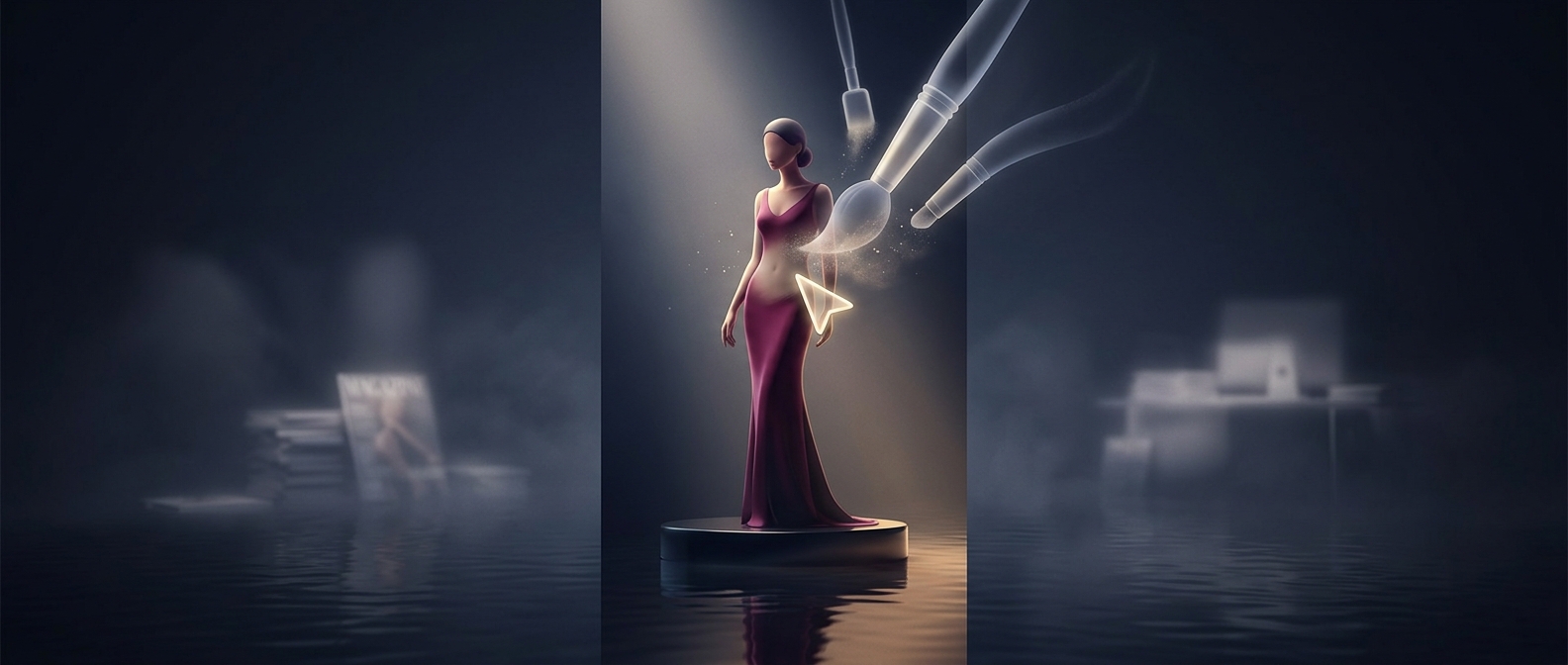
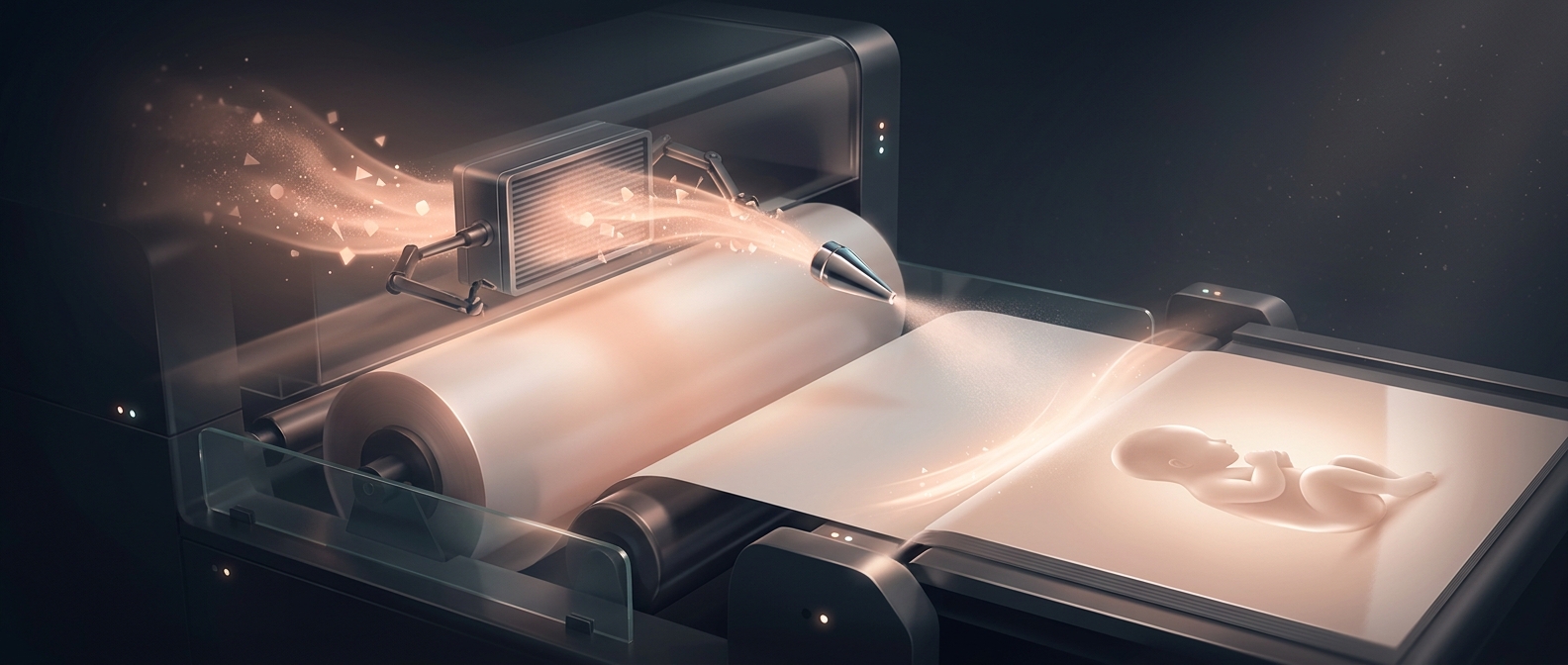
“Airbrushing” once meant physically spraying pigment over a photographic print. In magazine production, the word now commonly describes digital retouching: an editor adjusts pixels after the photograph is taken. A retoucher can soften local contrast and texture, making creases, spots, or uneven color less noticeable while leaving the baby’s pose and expression intact.
That distinction matters because the change can look less like a deliberate alteration than a naturally smooth complexion. Infant skin often has visible texture and temporary marks; smoothing removes those details from the finished image, not from the child. The result is a picture shaped by editing as well as by camera, light, and makeup—or, in a baby’s case, the absence of makeup.
The standard the image quietly sets
Magazine portraits are selected and finished to fit a publication’s visual style. Retouching can make different photographs feel more consistent, but it also carries an aesthetic preference: skin should look even and unmarked. Applying that preference to infants extends a familiar beauty standard to people who are not posing for it or choosing how they appear.
The effect is subtle. Readers may not notice a softened crease in one photograph, yet repeated polished images can make ordinary newborn texture seem like a flaw that needs correcting. The memorable twist is that the “perfect” baby portrait may show less of a newborn’s actual skin than the camera originally captured.