A river story about a poet’s authority
Tukaram was a Marathi poet-saint whose devotional songs, known as abhangs, addressed Vithoba, a form of the Hindu god Vishnu especially revered in Maharashtra. The river episode is remembered not just as a marvel, but as a turning point in the story of whether a poet outside elite religious circles had the right to teach and sing about faith.
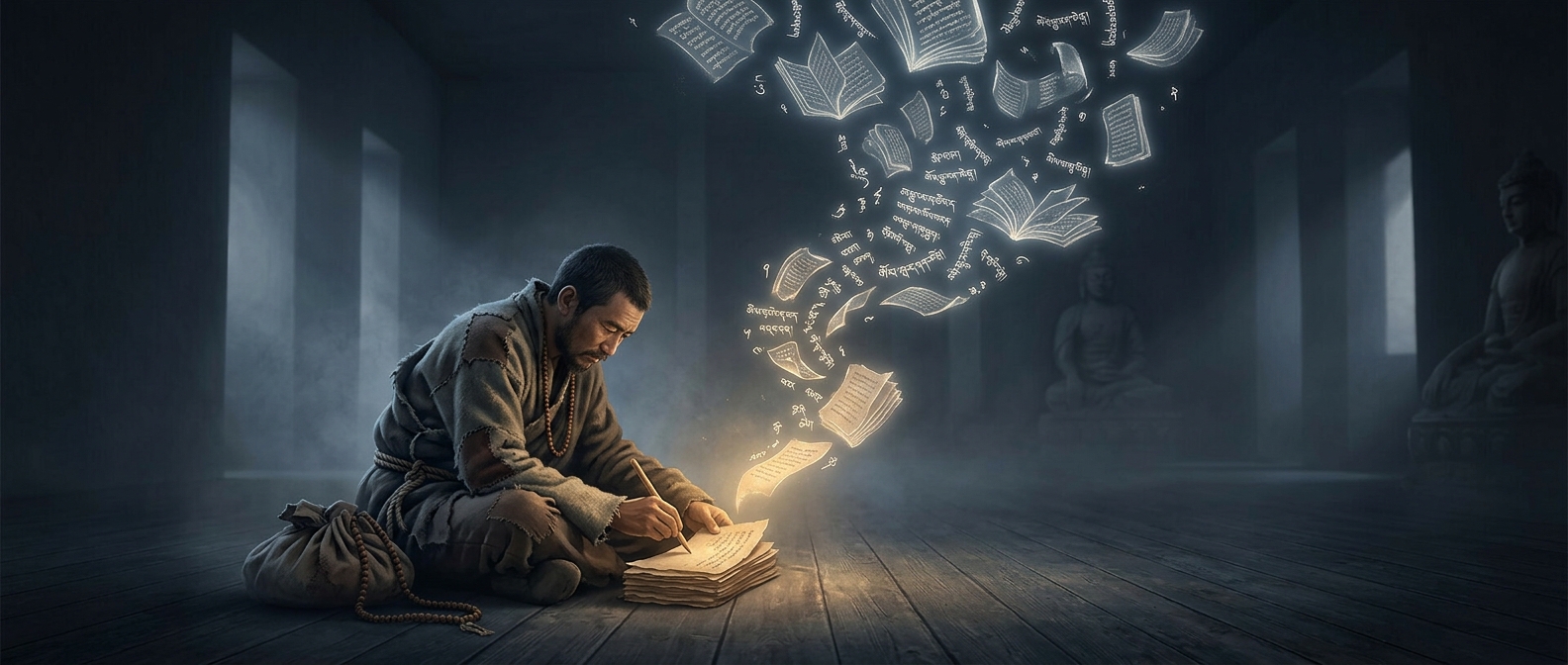
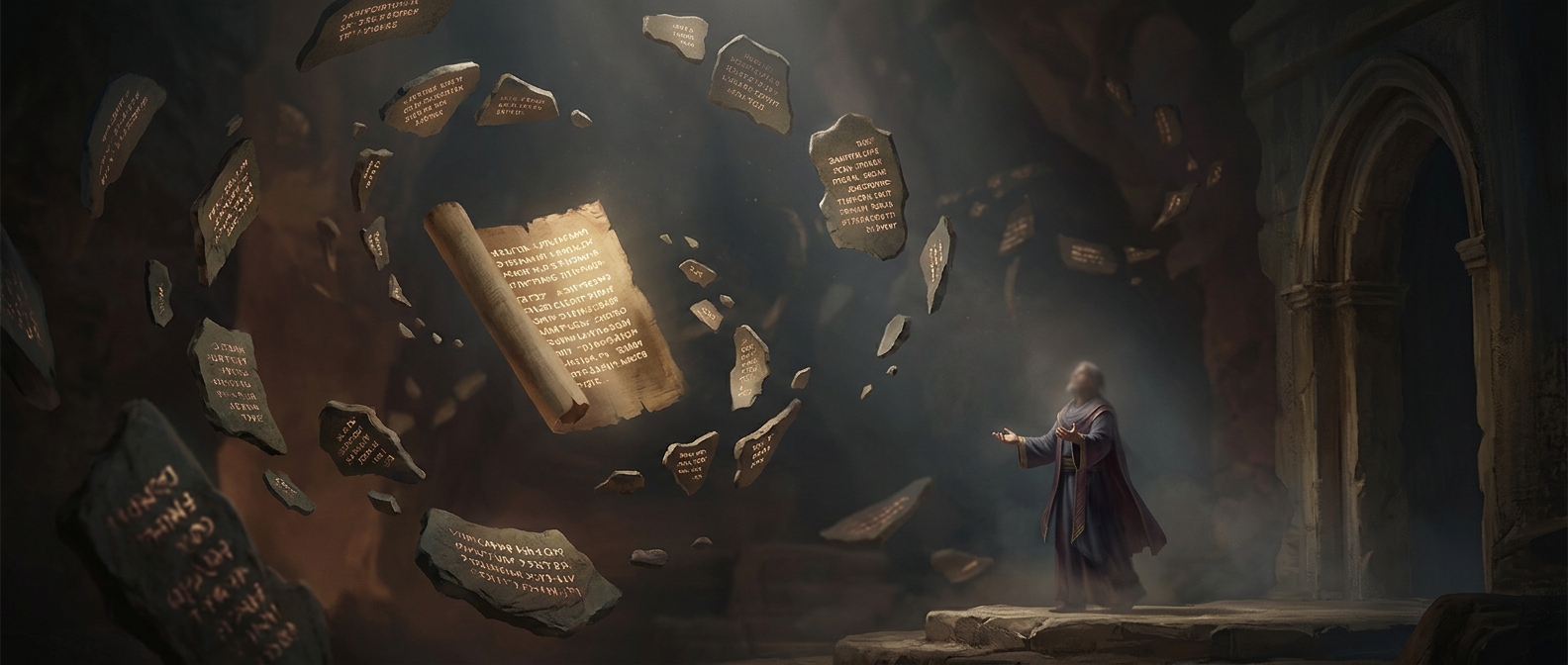
In the local telling, the destruction of his manuscripts was meant to silence him. Their return instead became a sign that his devotion—and the words expressing it—could not be erased. The tale gives a physical image to a larger claim: spiritual insight does not depend solely on social rank or formal authority.
What the miracle means in the tradition
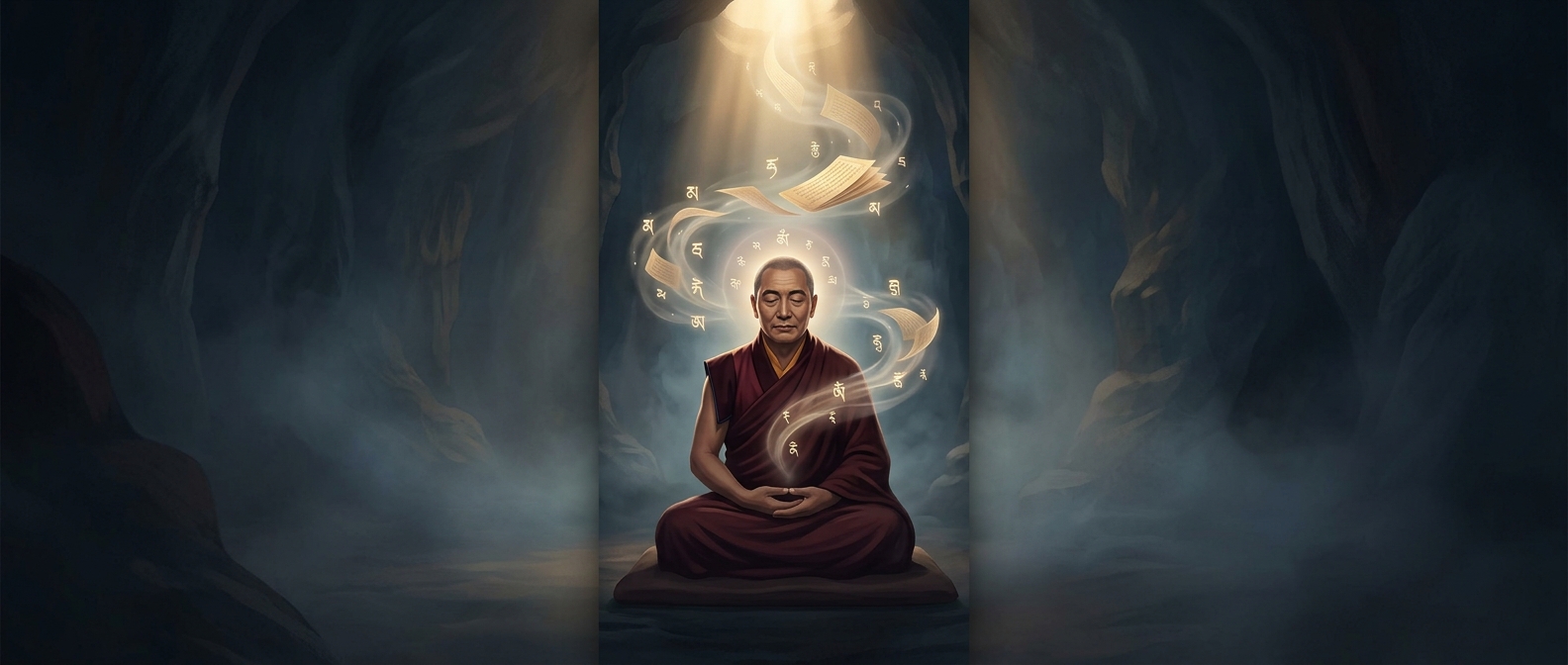
For devotees, the story affirms Tukaram’s bond with Vithoba and the enduring worth of his poetry. It belongs to religious memory, not to a documented explanation of how paper could survive underwater. Its force lies in what the community sees the event as revealing: a threatened voice restored, and songs meant for ordinary people preserved.
That is why the river remains part of Tukaram’s legacy. The story turns a fragile manuscript into a memorable emblem of a tradition carried forward in song.