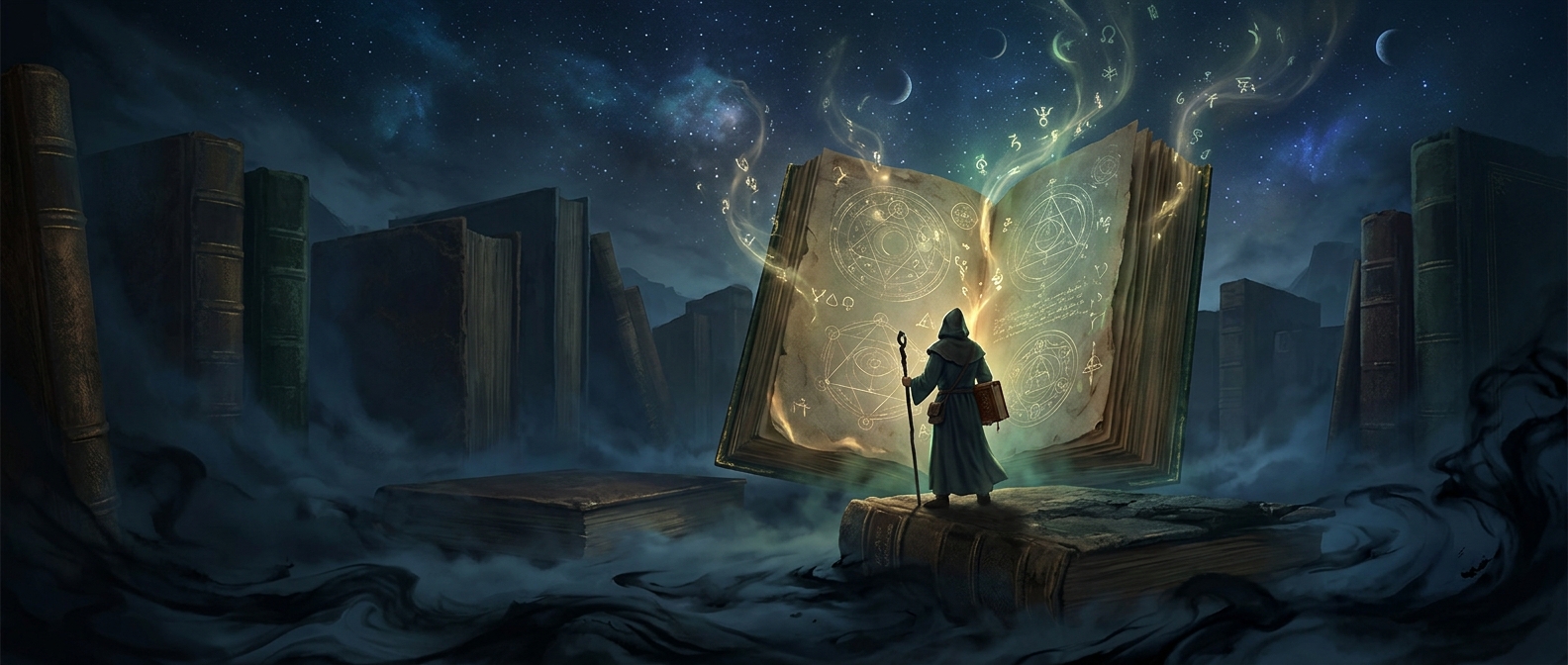
A map of hidden correspondences
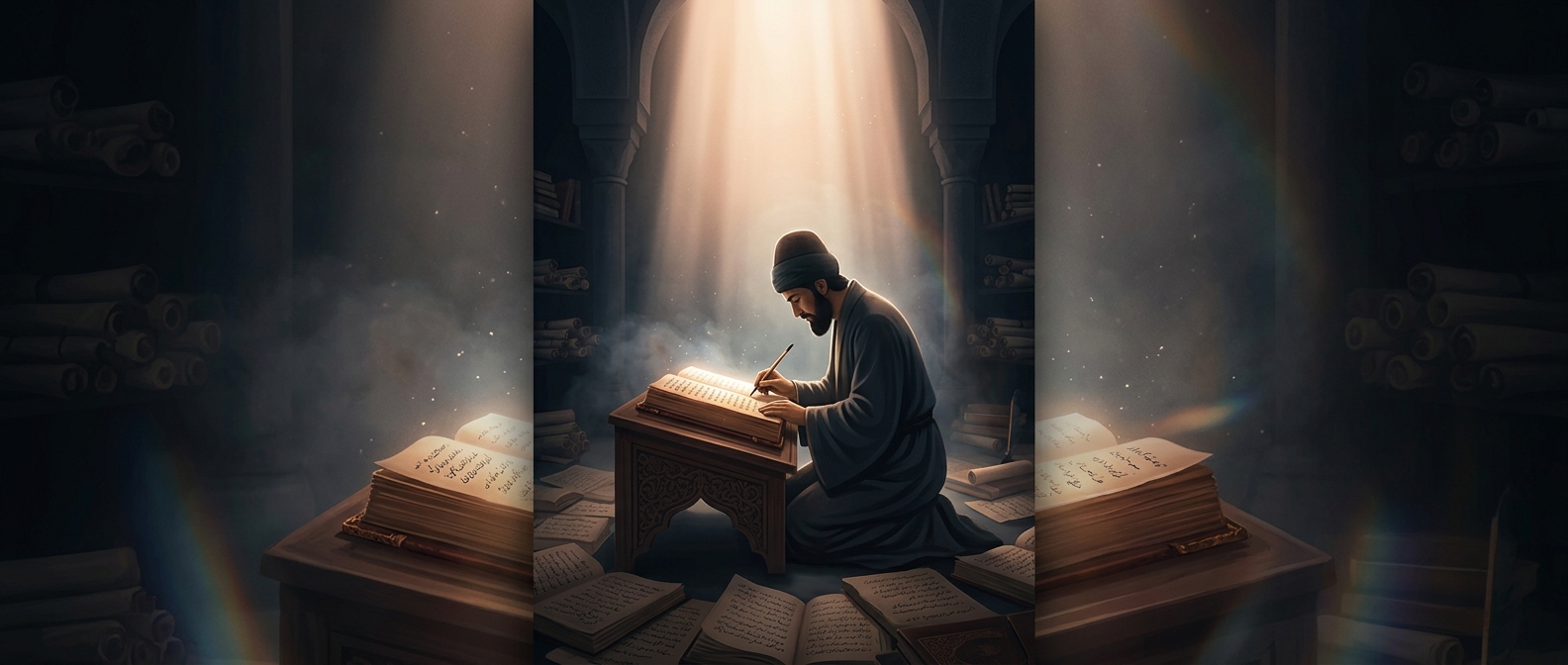
Heinrich Cornelius Agrippa’s Three Books of Occult Philosophy was an attempt to organize forms of knowledge that Renaissance scholars believed connected the visible world to invisible forces. “Occult” then meant hidden or concealed; it did not automatically mean the sinister or supernatural in the modern sense.
Agrippa arranged the subject in three levels. The first treated the earthly world—plants, stones, animals, and their supposed powers. The second turned to the heavens: planets, stars, and the influences people thought they exerted on earthly life. The third explored spiritual forces, including angels, sacred names, and religious rites. Together, the books offered a ladder from nature through the cosmos to the divine.
Why the compilation unsettled readers
The system drew on traditions that did not sit comfortably together: ancient philosophy, astrology, Christian theology, and Jewish Kabbalistic ideas. Agrippa argued that nature contained signs of deeper connections, and that a learned person might understand and use them. In this framework, magic was less a collection of isolated tricks than a claim to knowledge about how the layers of creation interacted.
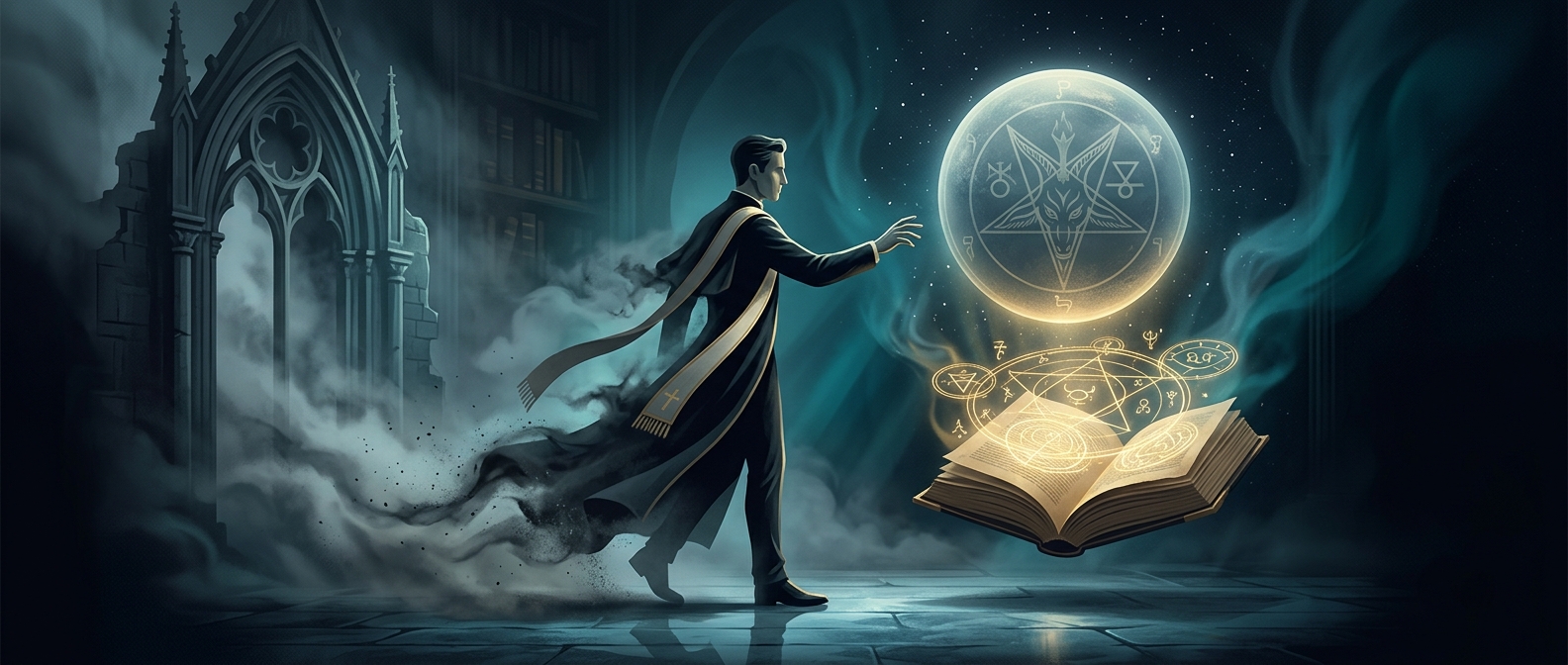
That ambition made the books intellectually compelling—and potentially suspect. Their discussions of planetary influence, spirits, and ritual could look like an attempt to command powers that religious authorities regarded as dangerous or forbidden. The work’s dense accumulation of authorities and techniques also made it easy to read as a handbook of practices, rather than as a grand theory of the universe.
Agrippa’s lasting project was to make esoteric learning appear systematic: a single account in which a healing herb, a planet, and a prayer could belong to the same chain of meaning. That sweeping unity was precisely what gave the books their reach and their capacity to provoke hostility.