How a life of retreat became a public story
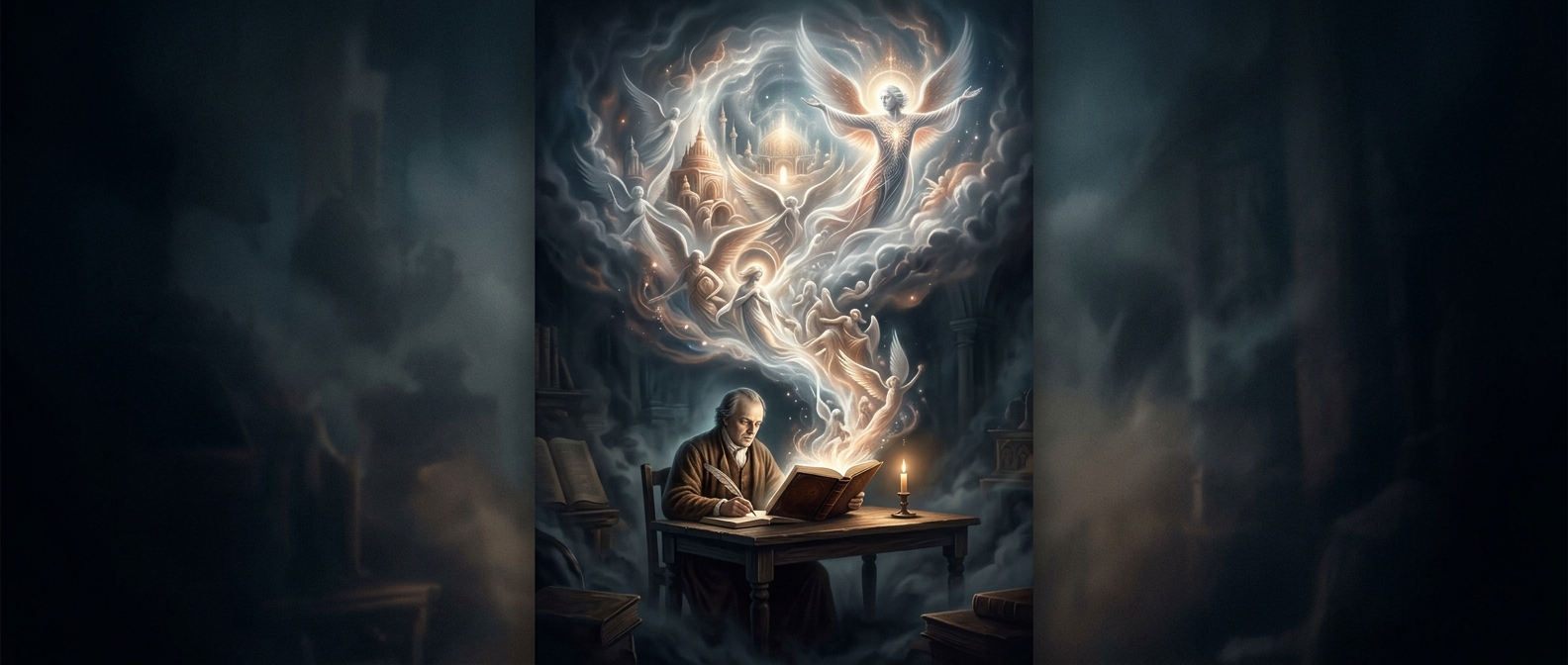
Thomas Merton entered a Trappist monastery seeking a life organized around prayer, work, and silence. But the very choice that separated him from ordinary public life became the subject of his writing. In The Seven Storey Mountain, he described his conversion and decision to become a monk in a vivid, personal narrative. Published in 1948, the book reached readers far beyond the monastery.
That created an unusual route to fame: Merton did not become widely known by performing a public persona, but by writing about turning away from one. Readers could encounter the inner life of a monastery through his words, even while he remained bound by its routines and limits.
The paradox of being known for wanting quiet
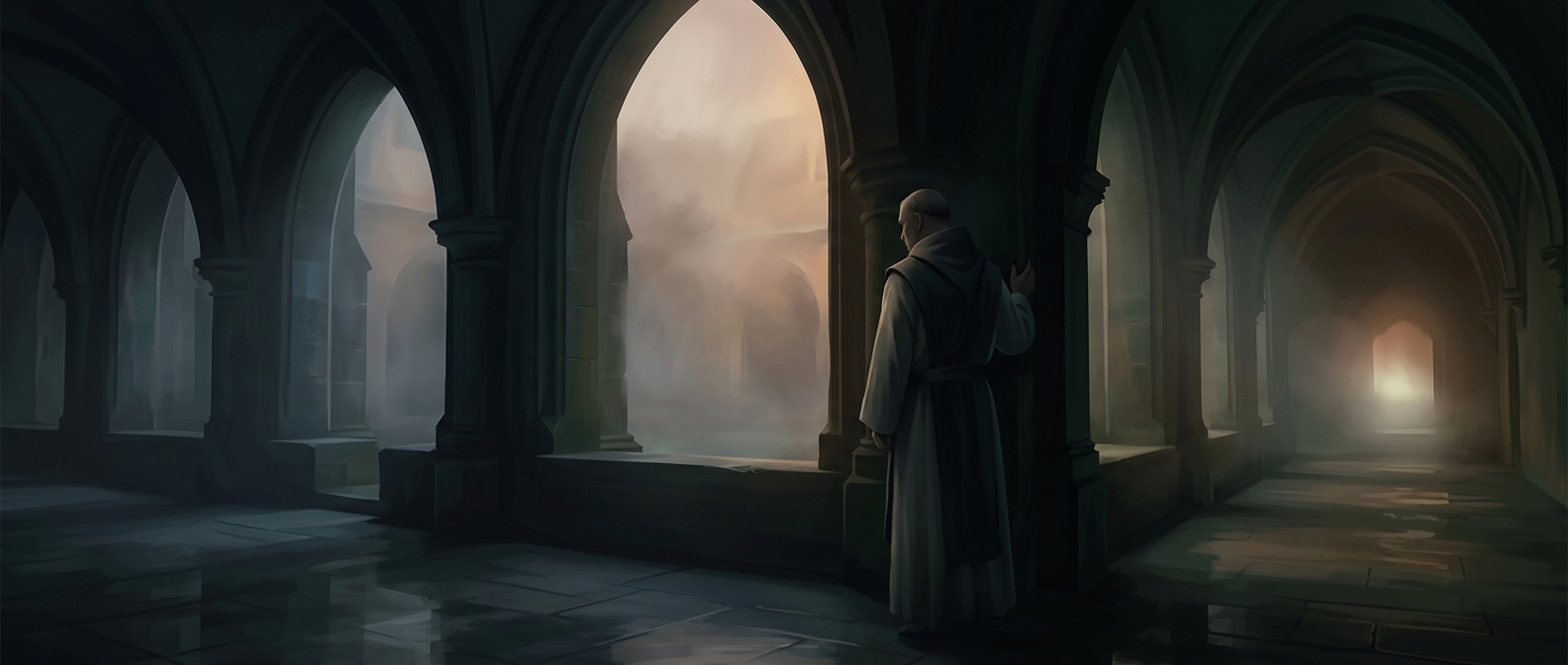
Monastic solitude is not simply hiding from people; it is a disciplined setting intended to make sustained prayer and reflection possible. A bestselling book could carry that purpose outward, but it also brought attention to the person who had chosen withdrawal. Merton continued to write, so the same work that made his wish for quiet understandable also kept him in public view.
The tension was not that his fame disproved his spiritual commitment. Rather, his account of renouncing the usual measures of success became compelling to people living outside the monastery. Readers were drawn to a life that appeared to offer a counterpoint to ambition and distraction, and that interest made the monk a public figure.
Merton’s story shows how solitude can become visible without ceasing to be solitude: the audience could read about his retreat, but it could not share the daily silence that gave the retreat its meaning.