Why Memes Travel Farther Than Long Explanations
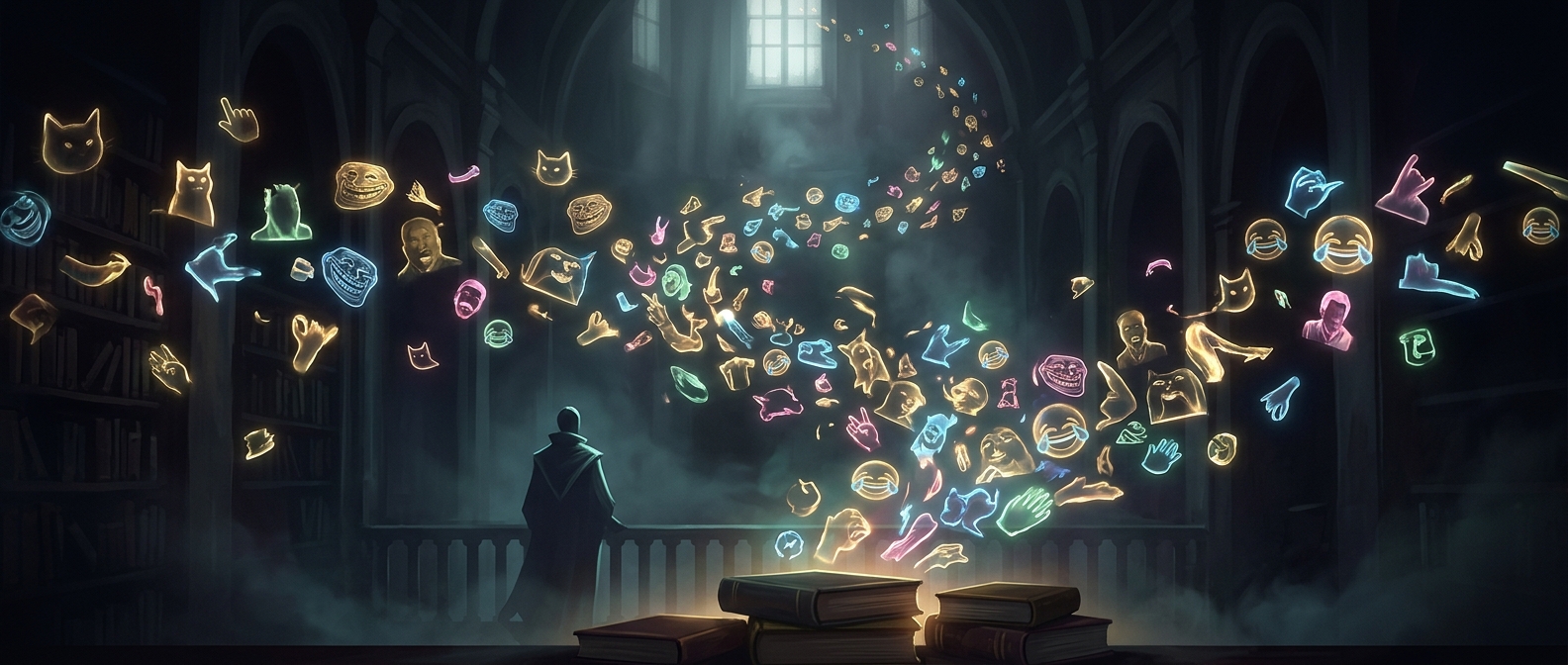
A meme compresses an idea into a familiar image, a short line, or a joke. Readers can understand it in seconds and pass it along without adding much context. An educational post often asks more of them: it may introduce unfamiliar terms, explain a tradition’s history, or distinguish what practitioners believe from what can be established as fact.
That difference affects what people notice in online discussions. Quick, recognizable posts invite fast reactions, while careful explanations take longer to read and are harder to reduce to a single punchline. When a feed emphasizes engagement—such as comments, reactions, or shares—content that prompts an immediate response can become more visible. Visibility is not the same as accuracy or depth.
The Cost of Finding the Context
Memes and “starter packs” can serve as an entry point, giving newcomers a shared reference or a reason to join a conversation. But compression removes qualifications. A joke about a mystical practice, for example, may circulate without explaining what the practice means to its adherents or how it developed. A reader who wants more may have to search beyond the post, follow references, or ask for context in the discussion.
So a crowded feed does not necessarily show that serious material is absent; it can show that serious material is less immediately legible and less likely to be surfaced by quick interactions. The practical consequence is simple: a memorable image may introduce a subject, but understanding it usually begins where the image leaves off.