How Astrology Entered the White House Calendar
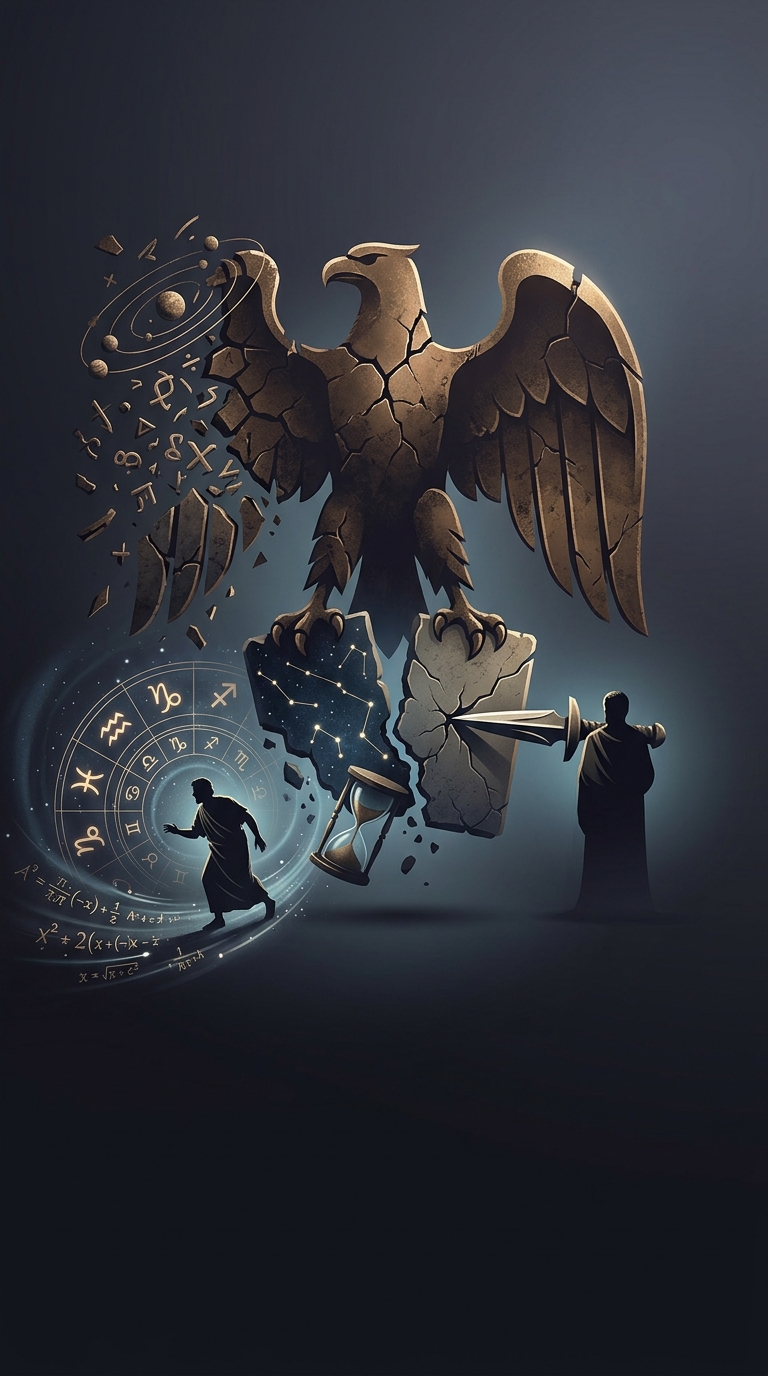
Joan Quigley’s role was unusual not because she made presidential decisions, but because her astrological advice could affect when consequential events were scheduled. She prepared charts and identified times she considered favorable, using the positions of celestial bodies in relation to a person’s birth information. Nancy Reagan then relied on that guidance as aides arranged the president’s calendar.
That distinction matters: astrology did not replace the practical work of scheduling. A press conference still had to fit the news cycle and staff availability; a flight still depended on security and logistics. Quigley’s recommendations became one more constraint for aides to work around, sometimes shaping the timing of events such as press conferences, debates, and Air Force One departures.
A Private Practice Becomes a Public Controversy
The arrangement grew especially important to Nancy Reagan after the 1981 assassination attempt on her husband. She sought ways to protect him and used Quigley’s charts to help guide his schedule. The practice remained largely private until it became public near the end of Reagan’s presidency, prompting questions about how much influence an astrologer had over the machinery of government.
The episode shows how a personal belief can acquire practical reach without becoming official policy. Quigley did not hold a government office, but her advice could travel through the First Lady to the staff responsible for the president’s movements. The striking consequence was that an ancient system of interpreting the heavens found a place not in a presidential decision memo, but in the appointment book—and potentially in the timing of the president’s next public appearance.