How Food Tryptophan Can Reach the Brain
Tryptophan is an essential amino acid: the body needs it to make proteins but cannot produce it, so it must come from food. After digestion, it enters the bloodstream alongside other amino acids. To contribute to serotonin made in the brain, it must first cross the blood–brain barrier, a protective boundary that controls which substances enter brain tissue.
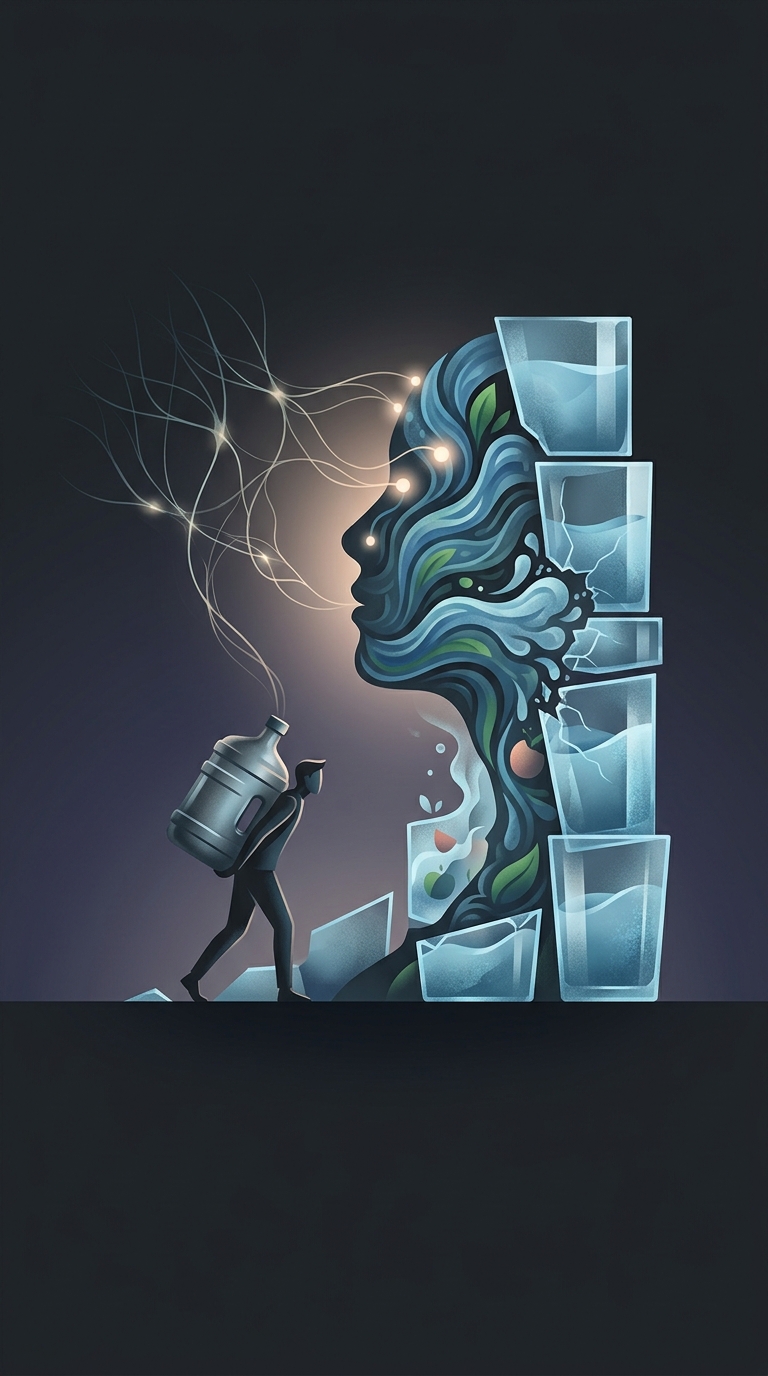
That crossing is not automatic. Tryptophan shares a transport route with several other amino acids, so the balance among them—not simply the amount in a single food—helps determine how much gets through. Once inside the brain, tryptophan is converted in stages. Vitamin B6 helps a later step in the process, but it does not make the conversion happen instantly or guarantee a change in mood.
Why Eating Serotonin’s Building Block Isn’t the Same as Taking Serotonin
Serotonin made in the gut largely stays there: the molecule itself does not readily cross into the brain. The brain must make its own serotonin from tryptophan that has reached it. And serotonin is only one part of a much more complicated system involved in mood; its levels are not a simple happiness meter.
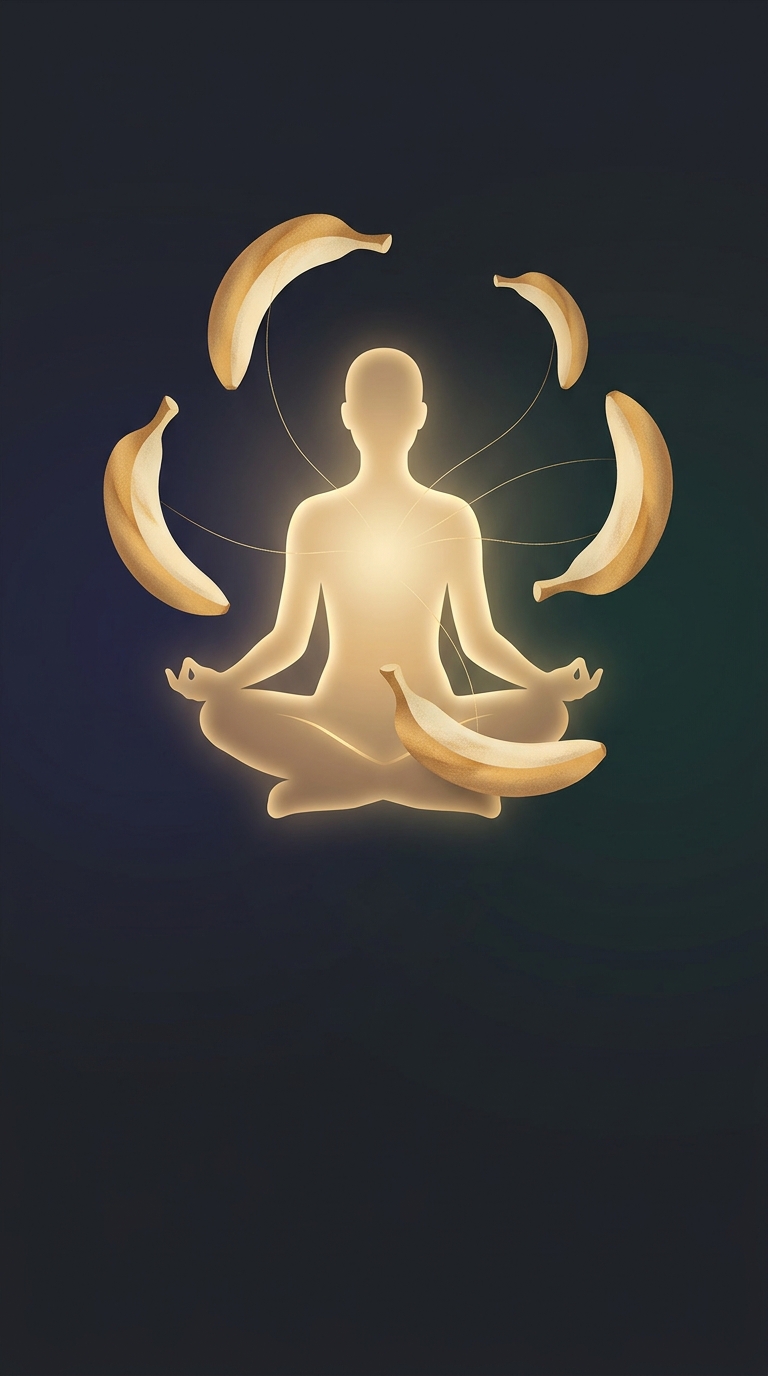
So a banana can supply an ingredient the body uses to make serotonin, but its effect depends on digestion, competition among amino acids, and the brain’s own chemistry. Eating a precursor provides raw material, not a direct dose of the finished brain chemical.