A wartime explanation with a hidden purpose
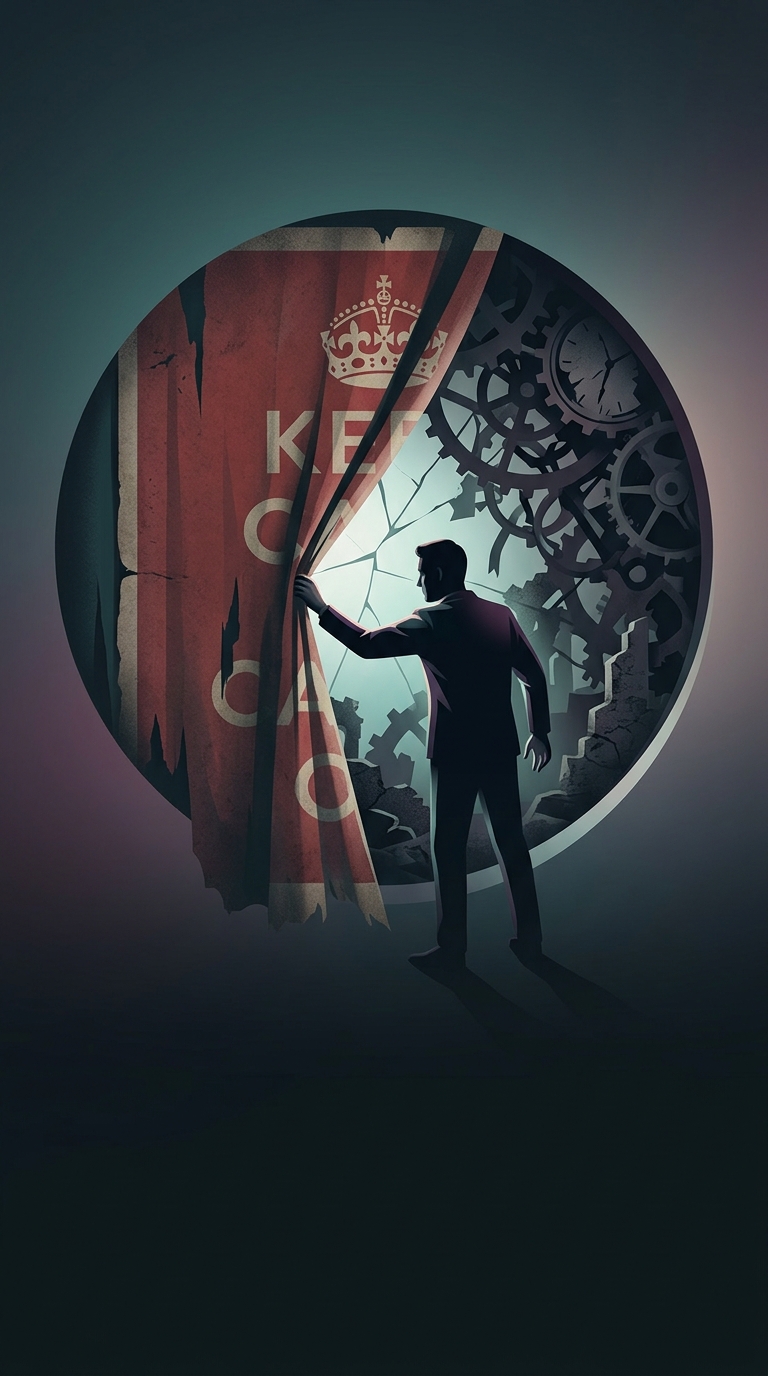
The familiar carrot-and-night-vision story took hold during World War II, when British night fighters were intercepting German aircraft in the dark. Their success depended in part on airborne radar—a technology Britain did not want the enemy to understand. Publicity instead credited pilots’ supposedly exceptional eyesight, and carrots became a memorable explanation for seeing well at night.
That story also suited wartime life at home. Carrots were available when some other foods were scarce, and British campaigns encouraged people to use them. The vegetable’s real connection to vision made the claim sound plausible, even though the dramatic account concealed more than it explained.
The real link between carrots and sight
Carrots contain beta-carotene, which the body can convert into vitamin A. The eyes need vitamin A to make a light-sensitive substance used in dim conditions. If someone lacks vitamin A, correcting that deficiency can help restore impaired vision. But for a person already getting enough, eating extra carrots does not give the eyes a special night-vision boost.
So the claim was not wholly detached from biology; it stretched a genuine nutritional fact into a wartime boast. The radar remained the crucial explanation for how the aircraft found targets in darkness.
Why the story stuck
The tale joined a simple food, a vivid promise, and a secret technology that could not be openly discussed. It was easy to repeat, and the underlying fact about vitamin A gave it staying power long after the wartime context faded.
The practical lesson is modest: carrots can contribute to a healthy diet, but they cannot replace the equipment and technology that let a night fighter detect an aircraft in the dark.