Why a job-market worry can feel like a physical threat
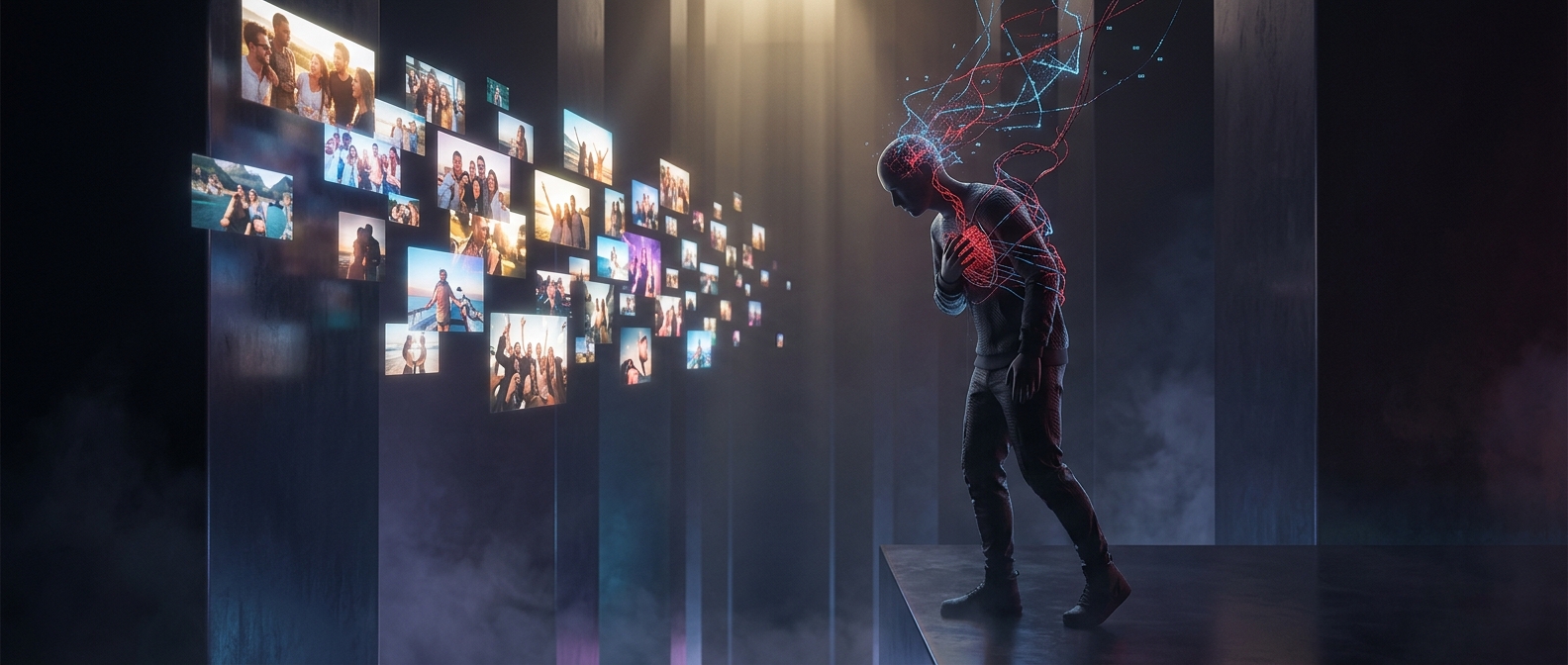
A vague fear about AI can land in the body before it becomes a clear thought. When a person senses possible danger, the brain’s threat systems help prepare for action: attention narrows, muscles tense, and the body may speed up. That response can be triggered by imagined or uncertain risks as well as immediate ones. A person does not need to see a machine taking their job for the possibility to feel alarming.
Uncertainty makes the alarm harder to settle
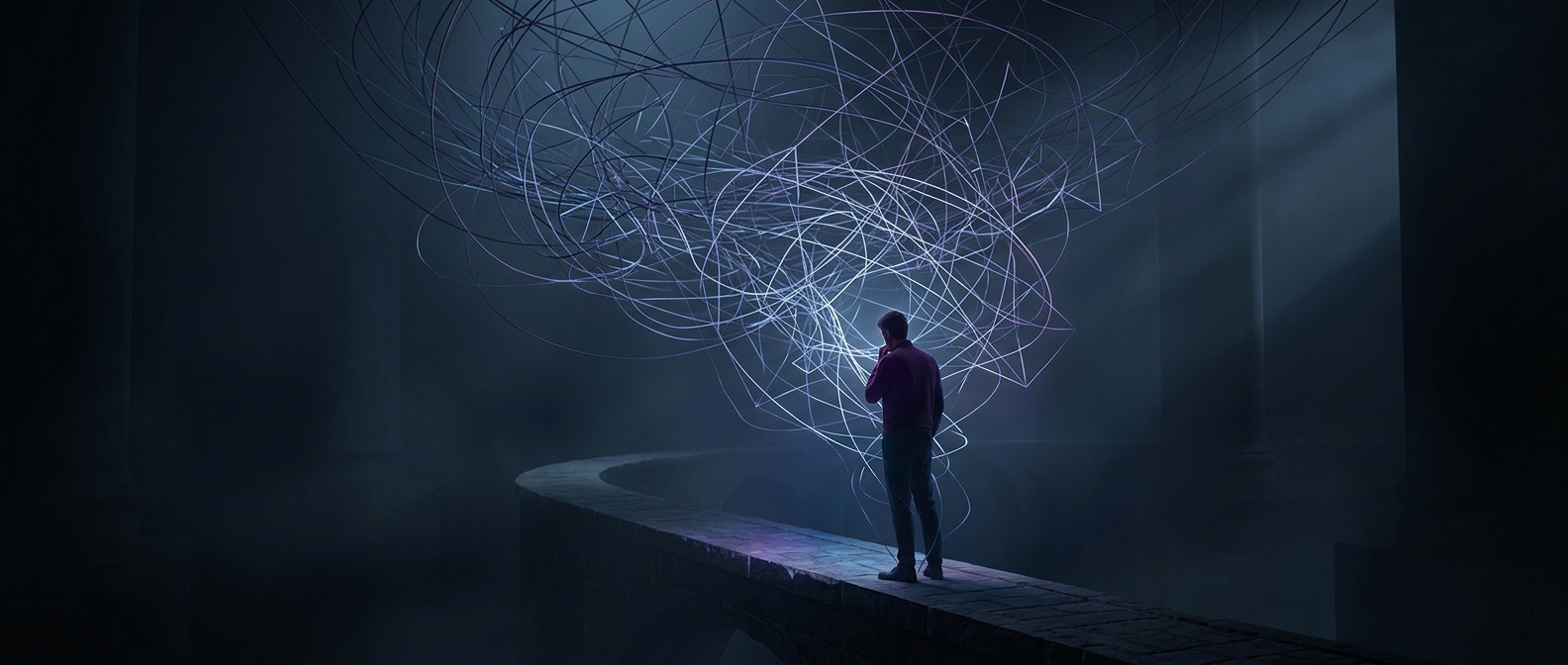
Job-related AI fears combine several concerns: losing income, losing control over work, or not knowing what skills will matter next. The threat is difficult to assess because it may be unclear which tasks will change, when they will change, or who will benefit. Without a definite event to respond to, the mind can keep scanning for signs of danger—new tools, workplace announcements, or stories about automation.
That does not mean the brain literally mistakes software for a mammoth. The more useful comparison is that the same general alarm system can respond to modern risks even when they are uncertain, social, or economic. The body’s reaction is real, but it is not proof that a feared outcome is inevitable.
Turning alarm into a more specific question
Anxiety often grows when a broad possibility—“AI will replace me”—stays abstract. Breaking it into concrete questions can make it easier to evaluate: Which parts of the job are repetitive? Which depend on judgment, trust, or hands-on work? What changes are actually happening in the workplace? These questions do not guarantee security, but they replace an all-purpose warning with information that can guide a response.
The gut-clenching feeling is a signal that something seems important and uncertain—not a forecast of what will happen to a particular job.