A party effect with a narrow window
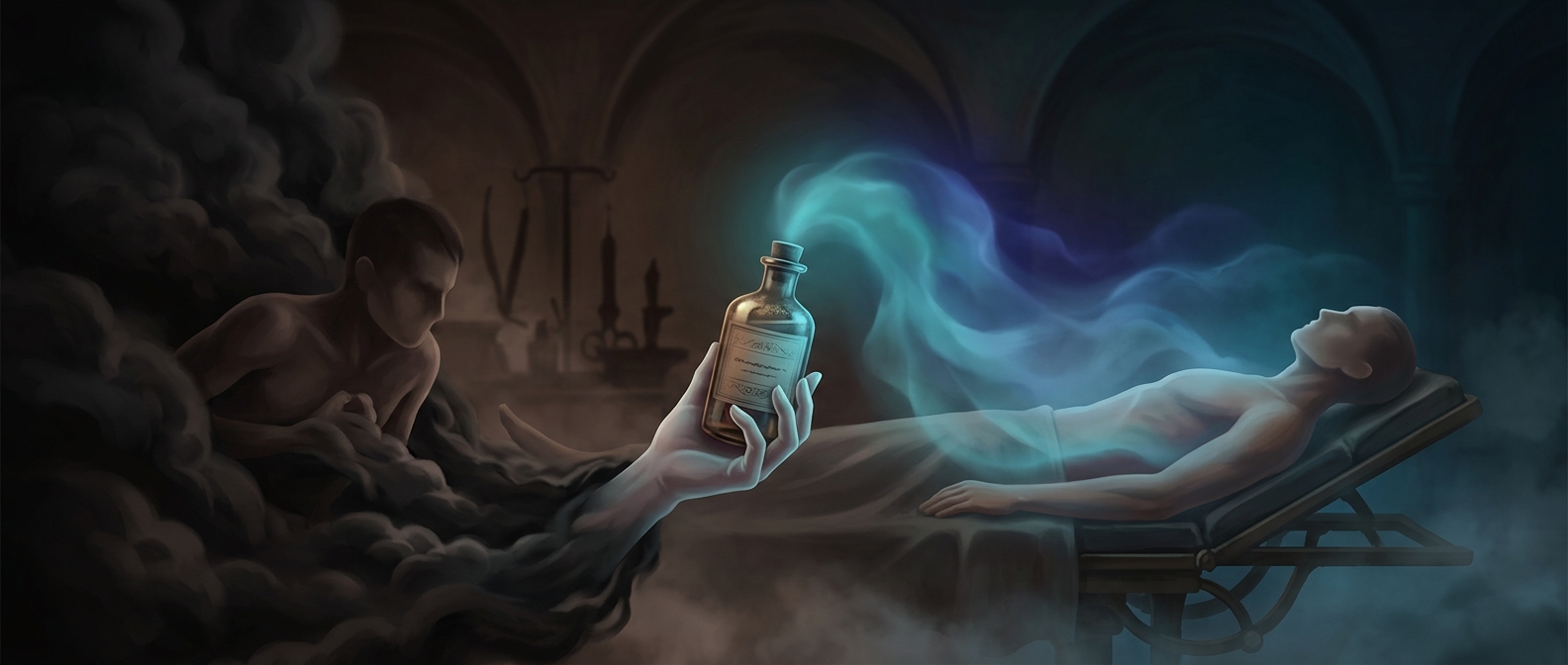
Nitrous oxide can alter perception within seconds of being inhaled. For a short time, a person may feel unusually light, amused, or detached from ordinary surroundings. The change is temporary because the gas is breathed out quickly; as its level in the body falls, the experience fades. That fast rise and fall made it suited to a brief party diversion, not a lasting state.
Why laughter could seem contagious
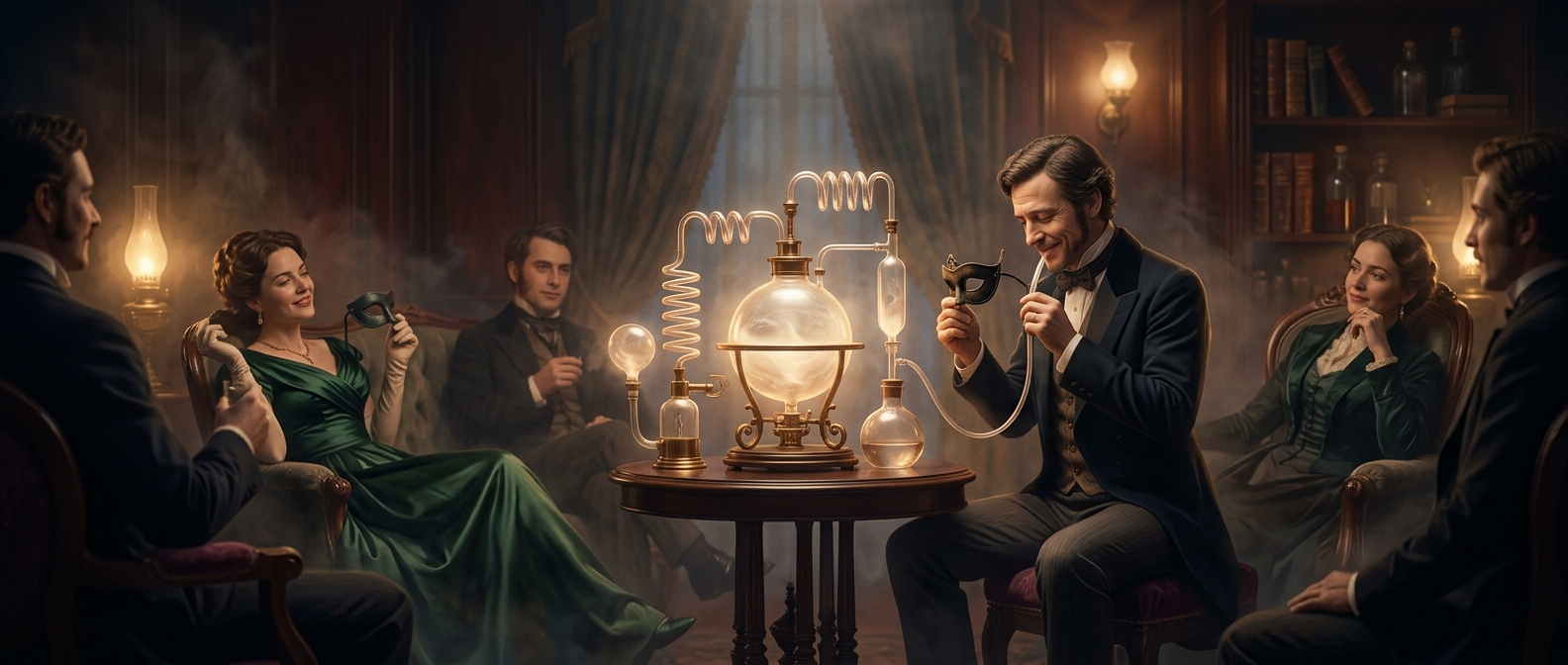
The gas does not simply switch on a “laughter center.” It changes activity across brain systems involved in sensation, mood, and awareness. Sounds or movements may feel oddly vivid, while a person’s usual sense of control loosens. In a group, one guest’s laughter could prompt others to laugh too, turning an individual reaction into a shared spectacle.
The effect was also unpredictable. People did not all experience the same mixture of amusement, floating sensations, or disorientation, and the pleasure could give way to nausea or unease. A party’s entertainment therefore depended on both the company and the moment—and could end abruptly as the gas wore off.
From spectacle to medical tool
Nitrous oxide was already known for its intoxicating effects before it became established in dentistry. Its medical value came from a different feature: it can reduce pain and anxiety while a patient remains conscious, especially when carefully administered and often combined with other anesthetics. That required control over delivery and dose, unlike informal recreational inhalation.
The contrast is striking: the same brief shift in brain signaling that made the gas a novelty at a gathering could later help make dental treatment more tolerable. But its rapid fade was no guarantee of safety; inhaling it without medical supervision can deprive the body of oxygen and cause serious harm.