The extra effort of watching yourself
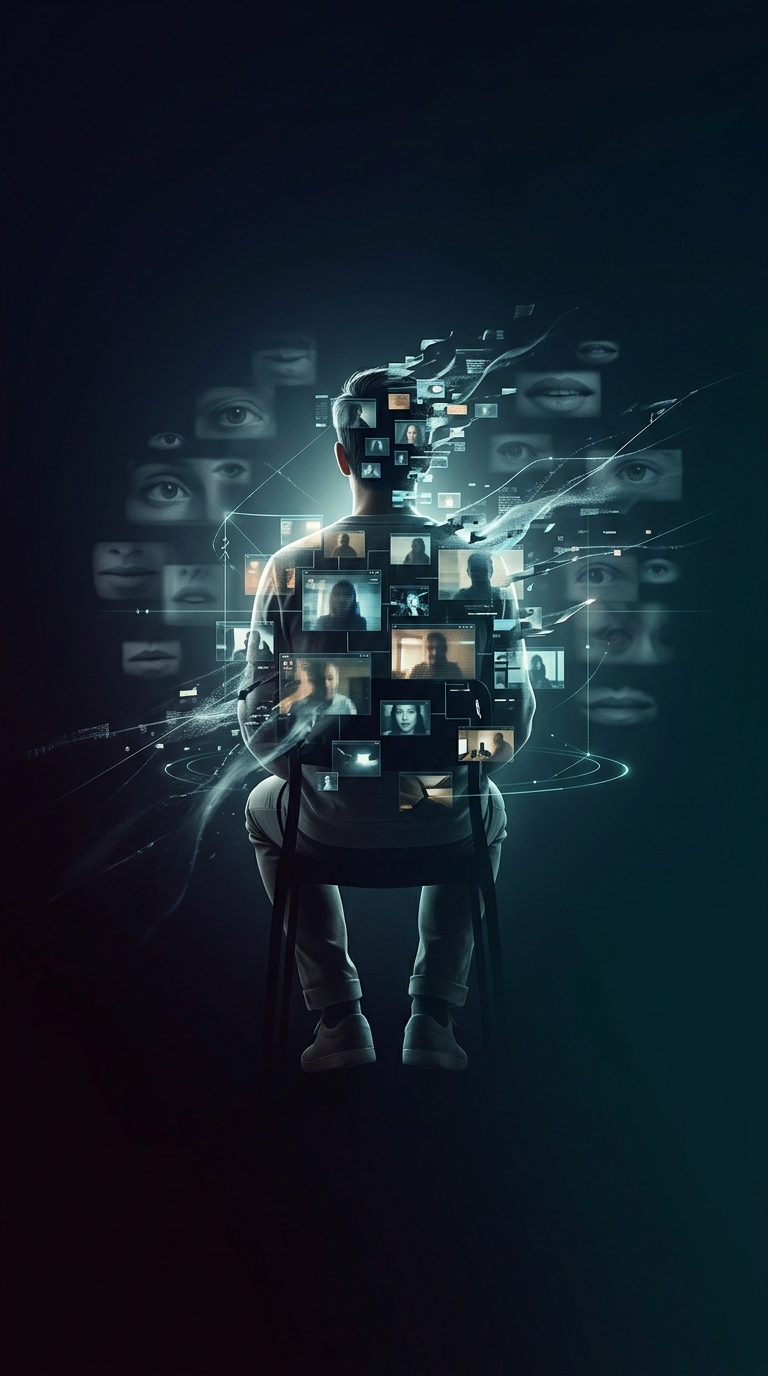
A video call turns ordinary conversation into a kind of live performance. You may be listening to a colleague while also checking your own small image: Is your expression appropriate? Are you looking toward the camera? Does the room behind you look distracting? That self-monitoring—paying attention to how you appear while trying to communicate—competes with attention to the conversation.
In person, people generally do not see themselves talking. They can focus on the other person and use the whole scene—posture, movement, and shared surroundings—to understand what is happening. On screen, the self-view can make appearance feel like a second task running alongside the first. Even when no one is judging, the possibility of being watched can keep that task active.
Why the conversation takes more work
Video also makes social cues harder to read. A pause might mean someone is thinking, waiting for a connection, or unsure whether to speak. Faces are tightly framed, gestures may disappear off-screen, and delays can disrupt the rhythm of turn-taking. To compensate, people may scrutinize expressions and timing more closely, while still monitoring their own image.
The result is not simply “too much screen time.” It is the effort of dividing attention between being in the conversation and observing yourself in it. Hiding the self-view can remove one source of that effort; it cannot restore all the cues and easy turn-taking that a shared room provides. That is why a call can feel draining even when its subject is familiar and the meeting is not especially long.