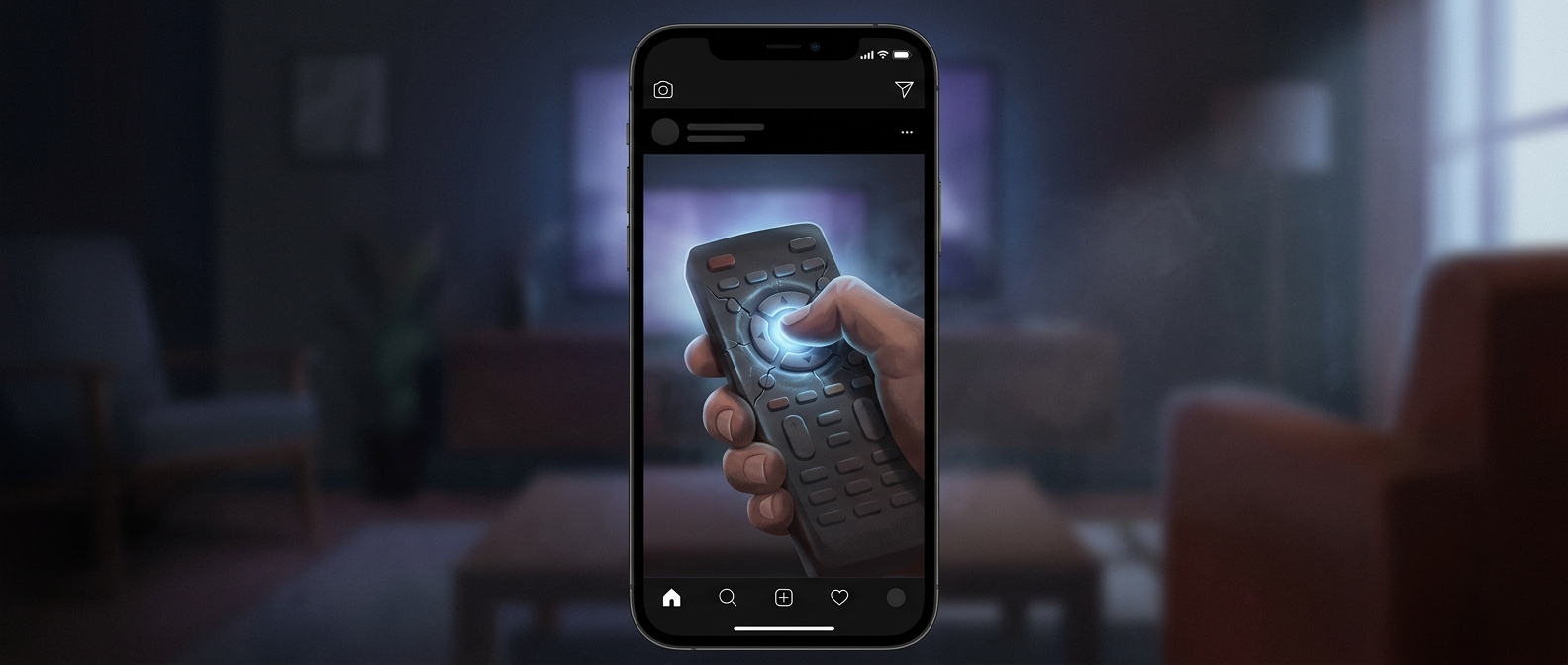
Why silence makes your thumb push harder
A remote button press is a small action followed by a clear result: the TV changes channels, the volume shifts, or a menu appears. Your brain learns that connection and uses it to guide the next press. When the expected result fails to arrive, the action suddenly feels uncertain. Maybe the button did not register; maybe it needs a firmer push.
That uncertainty can trigger a simple adjustment: repeat the same action with more effort. In psychology, this is sometimes described as response escalation—when an attempted action fails, people may intensify it rather than immediately abandon it. The extra force is aimed at the part you can control, the button, even though the real problem may be elsewhere.
The remote gives misleading feedback
A dead or weak battery interrupts the chain between pressing the button and the device responding. The button may still click normally, so your hand gets no obvious sign that the remote has lost power. All you receive is silence. Because the failure is invisible, it is easy to blame the press: perhaps you were too quick, too light, or not centered on the button.
Pressing harder cannot restore the battery’s ability to power the remote’s signal. But it can feel like a reasonable experiment because button presses sometimes do fail for ordinary mechanical reasons, such as a missed contact. Your brain is testing the most visible part of the system first.
A small lesson in how we react to failure
This habit reflects how tightly people link effort to outcomes. When a familiar action stops working, adding effort is often the quickest response available—and sometimes it does help. With a remote, though, the thumb workout is a clue that the cause may lie beyond the button. Replacing the batteries changes the hidden condition the harder press never could.