A Whole Timeline, Not a Moving Spotlight
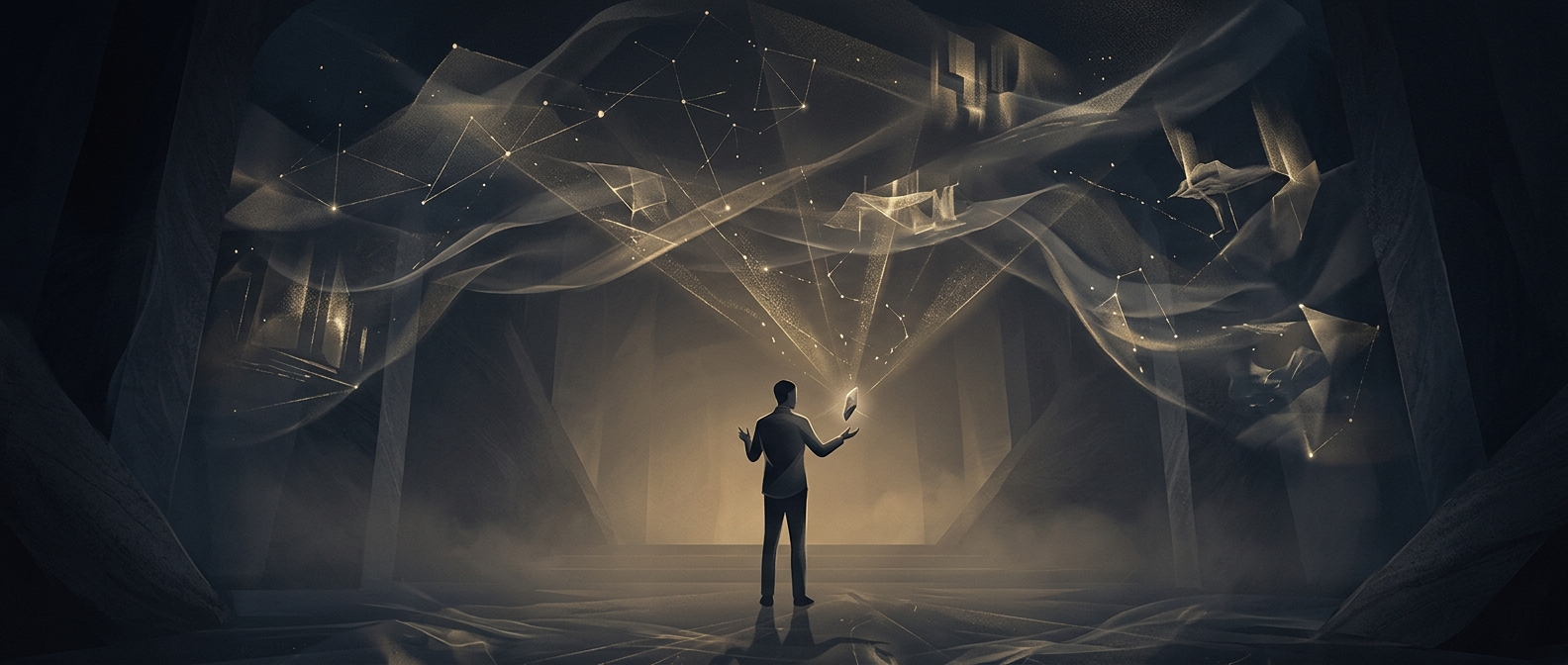
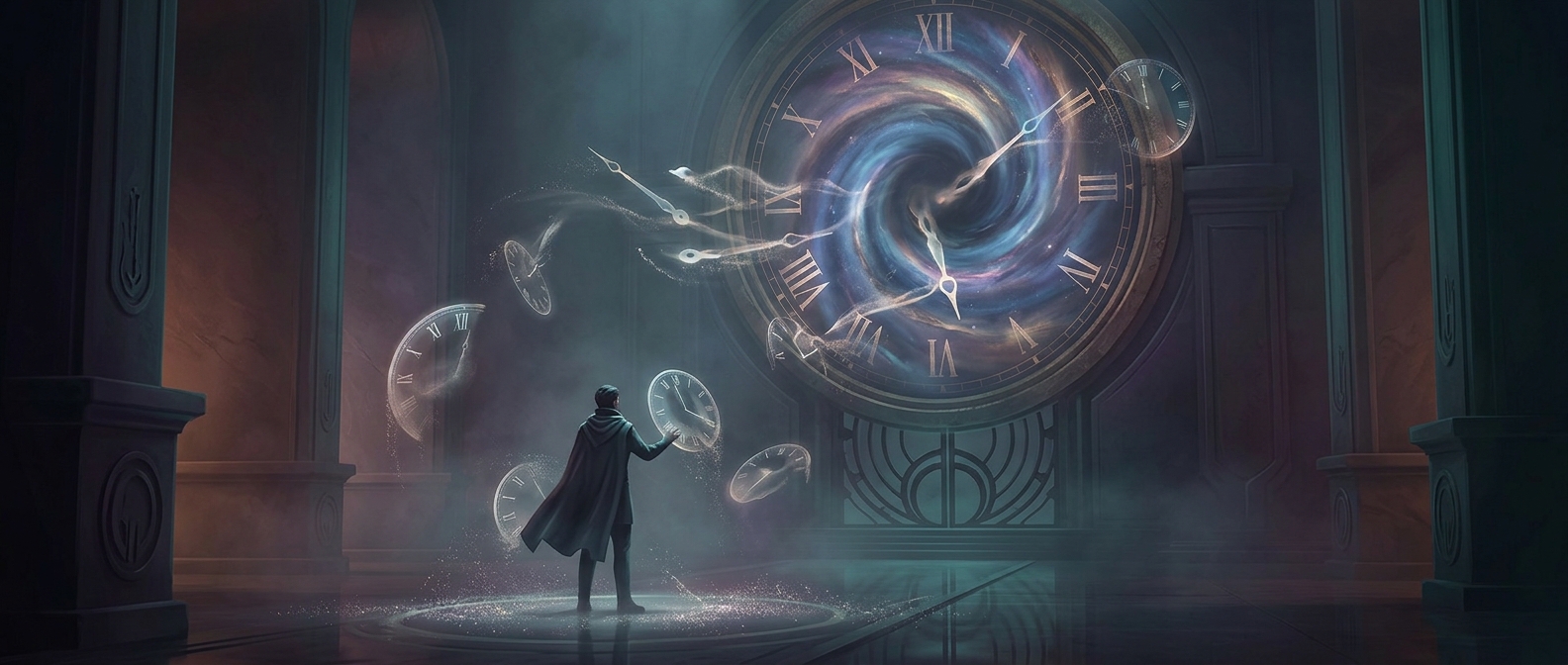
Some philosophical views of time picture reality less like a movie being played frame by frame and more like a complete film strip. On this view, events in the past, present, and future all belong to the same four-dimensional structure: spacetime. The “present” is the part of that structure we are experiencing, not necessarily a universal moment sweeping across the cosmos.
This idea is often called eternalism. It does not mean that every event happens at the same clock time, or that a person can freely visit any point in history. It means that being earlier or later may describe how events relate to one another, rather than deciding which events exist at all.
Why the Present May Not Be Universal
The physical motivation often comes from relativity. For events far apart, observers moving differently can disagree about which one happened first; they do not necessarily share one cosmic “now.” That makes a single, universe-wide present difficult to define. A block-universe interpretation takes this as a reason to imagine past and future events as parts of one complete spacetime, though relativity does not force everyone to adopt that philosophical conclusion.
The picture changes how time’s passage is understood. A memory is evidence available to us now; it does not make the past more real than the future in this view. Our experience still unfolds in sequence, and choices still have consequences within that sequence. Thinking of time as a whole structure can invite contemplation—but it is no shortcut around the appointment you have in ten minutes.