Why hands can become a clue in a dream
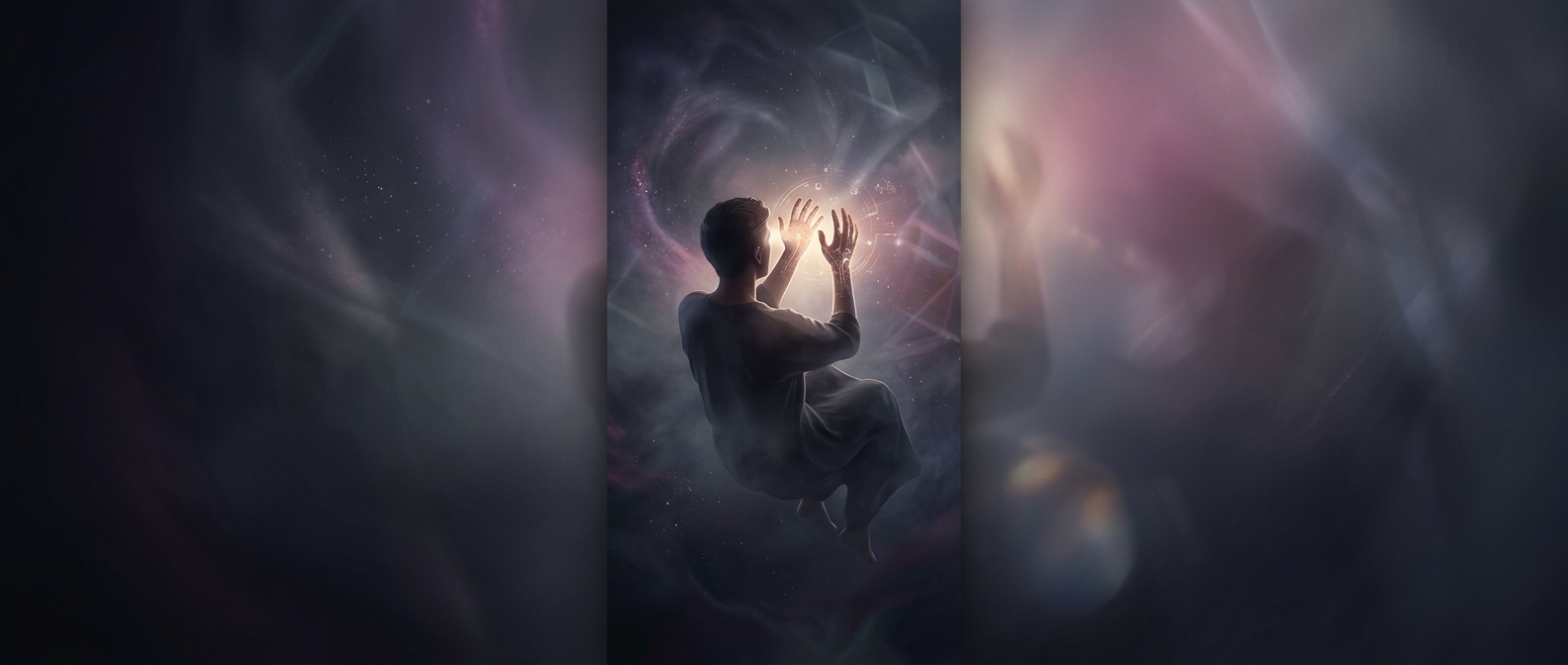
Lucid dreaming means realizing, while a dream is still underway, that you are dreaming. A hand check gives the dreamer a simple question to ask: does what I see behave like a hand should? In some dreams, fingers look misshapen, change when counted, or seem to melt. That mismatch can interrupt the dream’s flow and prompt the thought, “This is a dream.”
Dreams can feel vivid without presenting a stable, carefully inspected world. Their images are generated as the dream unfolds, so details may shift when attention lands on them. Hands are useful to check because they are familiar and easy to examine closely; that familiarity makes an odd result stand out.
The check works through expectation
A reality test is not a magic gesture. During waking life, a person practices pausing to inspect their hands and genuinely asking whether they are dreaming. Repeating that habit can make the same question more likely to arise in a dream. If the hand then looks wrong—or changes on a second look—the discrepancy may help the dreamer recognize the situation.
The result is not guaranteed: hands can look ordinary in dreams, and unusual-looking hands do not by themselves prove someone is asleep. The useful part is the combination of noticing a detail, questioning the scene, and checking again. When it works, a tiny visual inconsistency can turn an ordinary dream into one the dreamer knows they are having.