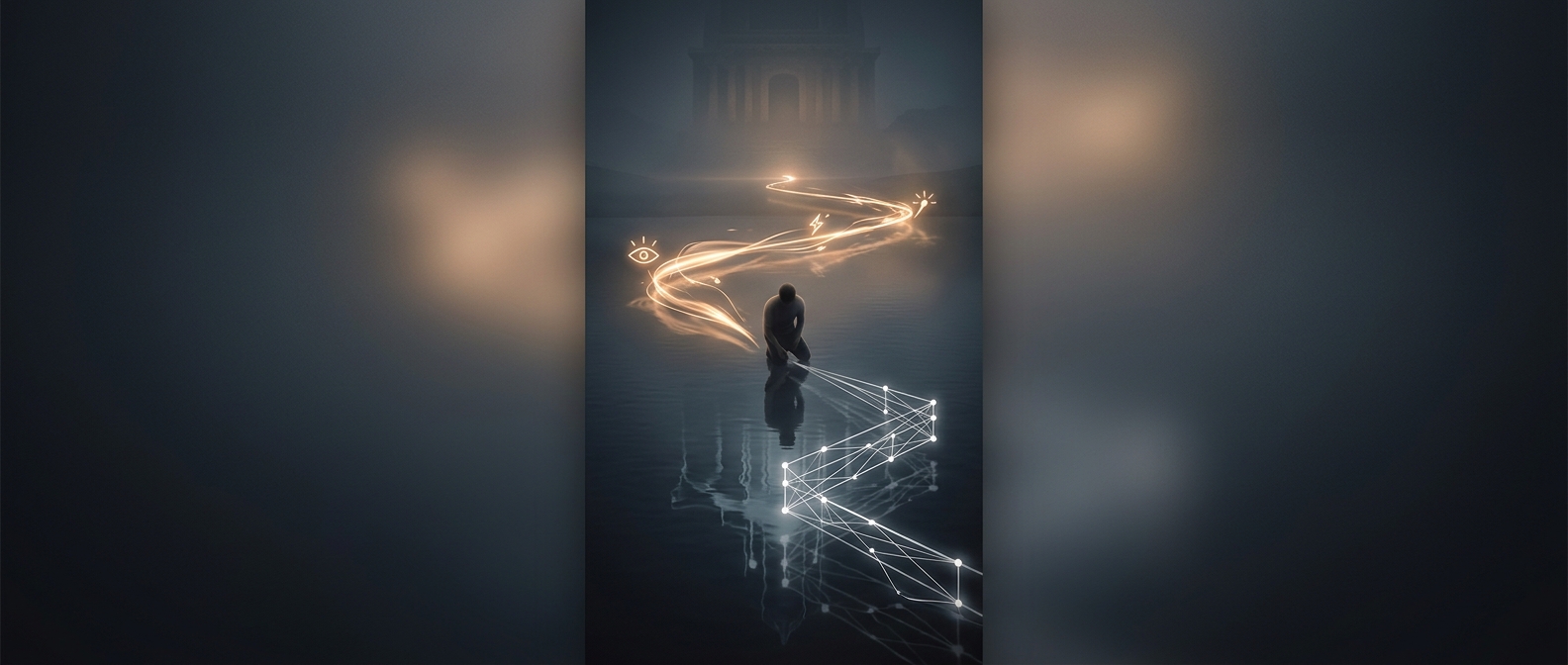
A constellation is a pattern made from one viewpoint
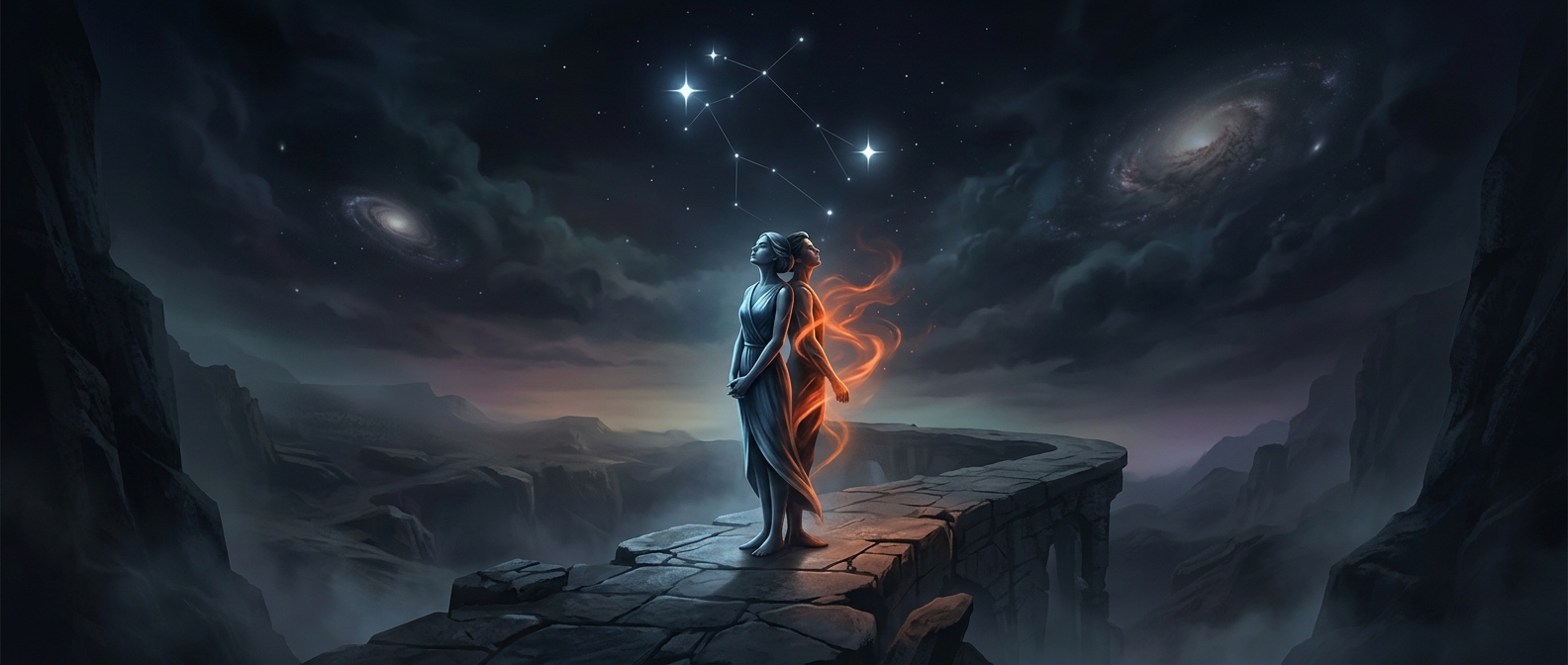
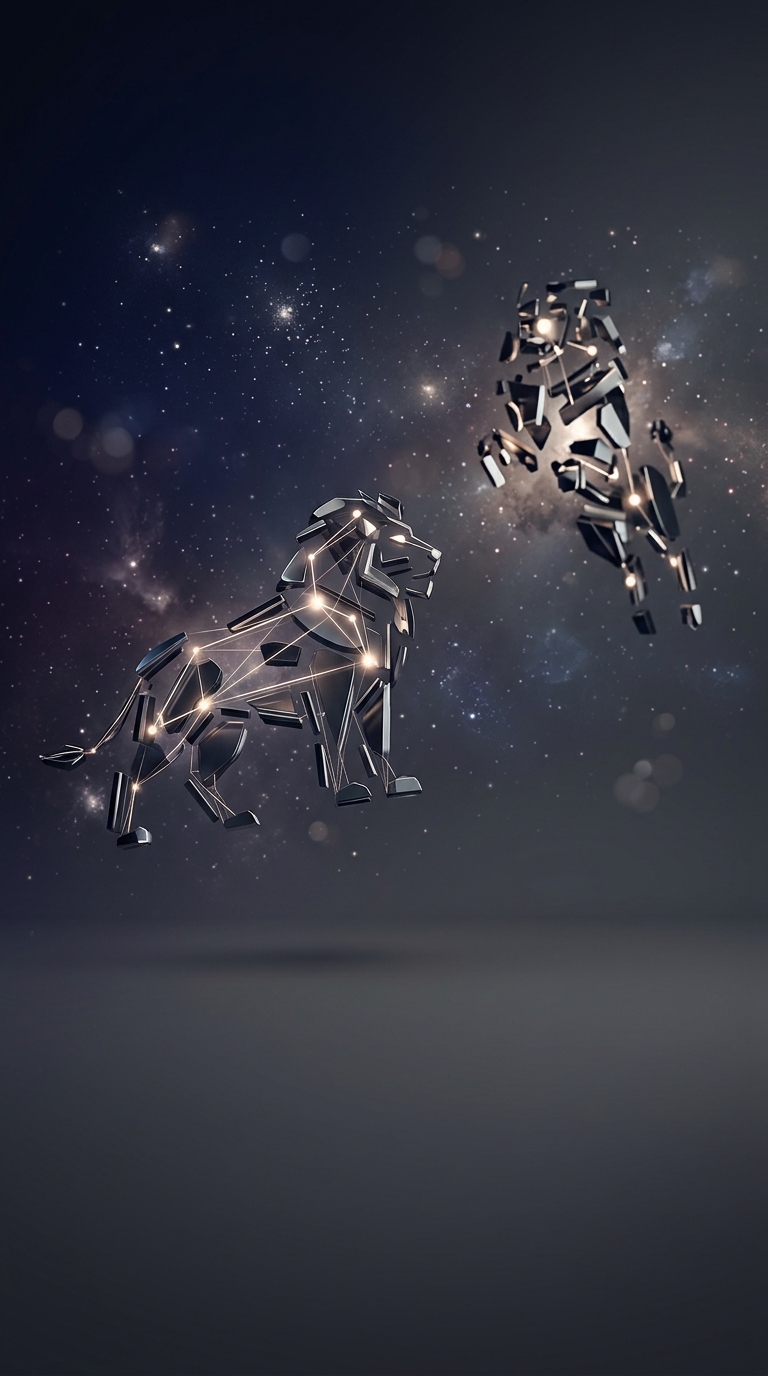
The stars in a constellation can look like neighbors because they appear in the same patch of sky. In space, however, they may be at very different distances from Earth and have no special connection to one another. The familiar outline is a projection: a three-dimensional arrangement seen from one particular place.
Move far enough away, and the stars shift against one another. A pattern that looks like a lion from Earth may stretch into something unrecognizable from another world. The stars themselves are real; the lines and figures we trace between them are choices people made to organize what they saw.
The sky’s map is also a cultural map
Different societies have grouped stars into different figures, drawing on their own stories and surroundings. Today, astronomers use constellations as fixed regions of the sky—useful labels for locating objects—not as claims that the stars inside each region form a physical group. The region called Leo remains a convenient address even though its stars lie at different distances.
This distinction helps explain why constellations can carry meaning without being cosmic structures. A pattern may guide a skywatcher or anchor a tradition, but its shape comes from human perspective and interpretation.
From a sky pattern to a personality
Astrology assigns significance to the Sun’s apparent position among the zodiac constellations at a person’s birth. That system builds a narrative from the sky’s observed arrangement; it does not follow from the stars being a connected set. The pattern belongs to the observer’s map, not to a single physical object in space.
That is the memorable twist: Leo is a real region on our sky map, but the lion is something people see from here—not a shape the stars assembled for us.