How Zosimos Read His Dreams as Alchemical Instructions
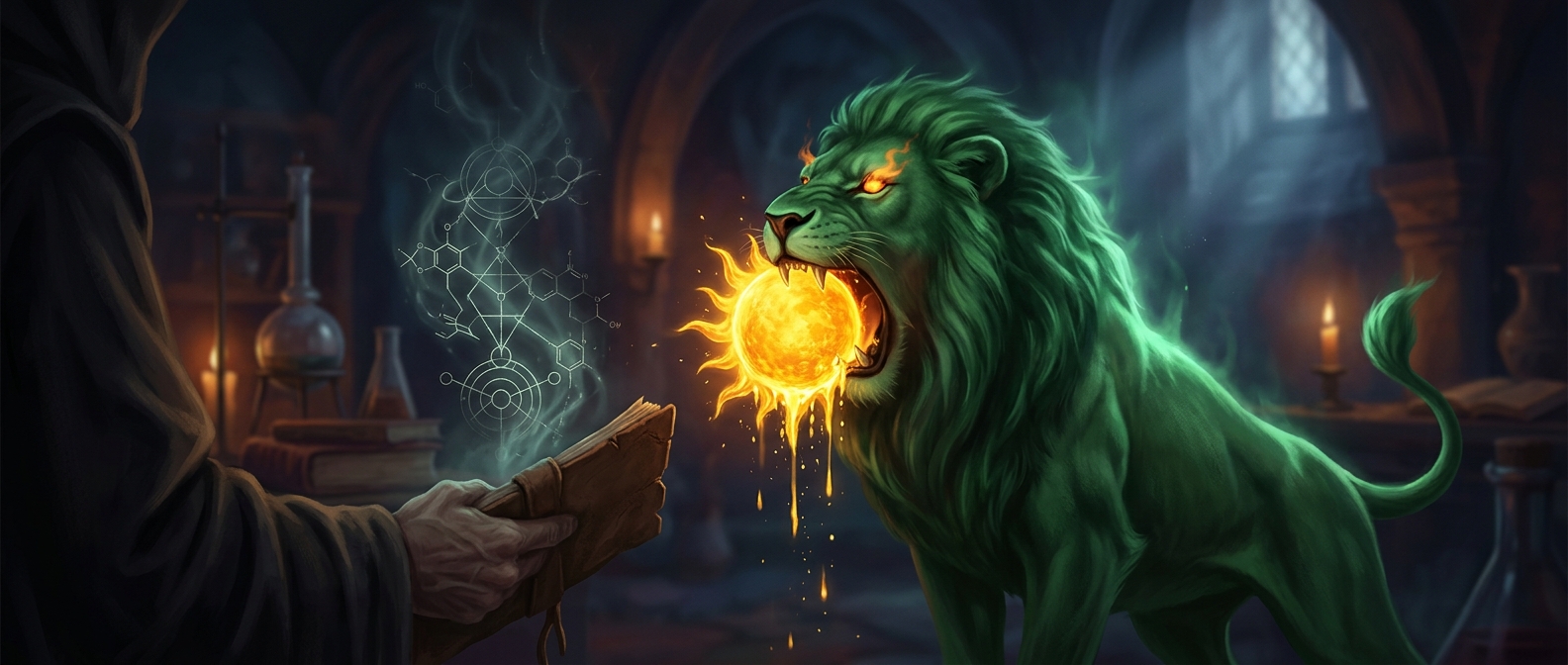
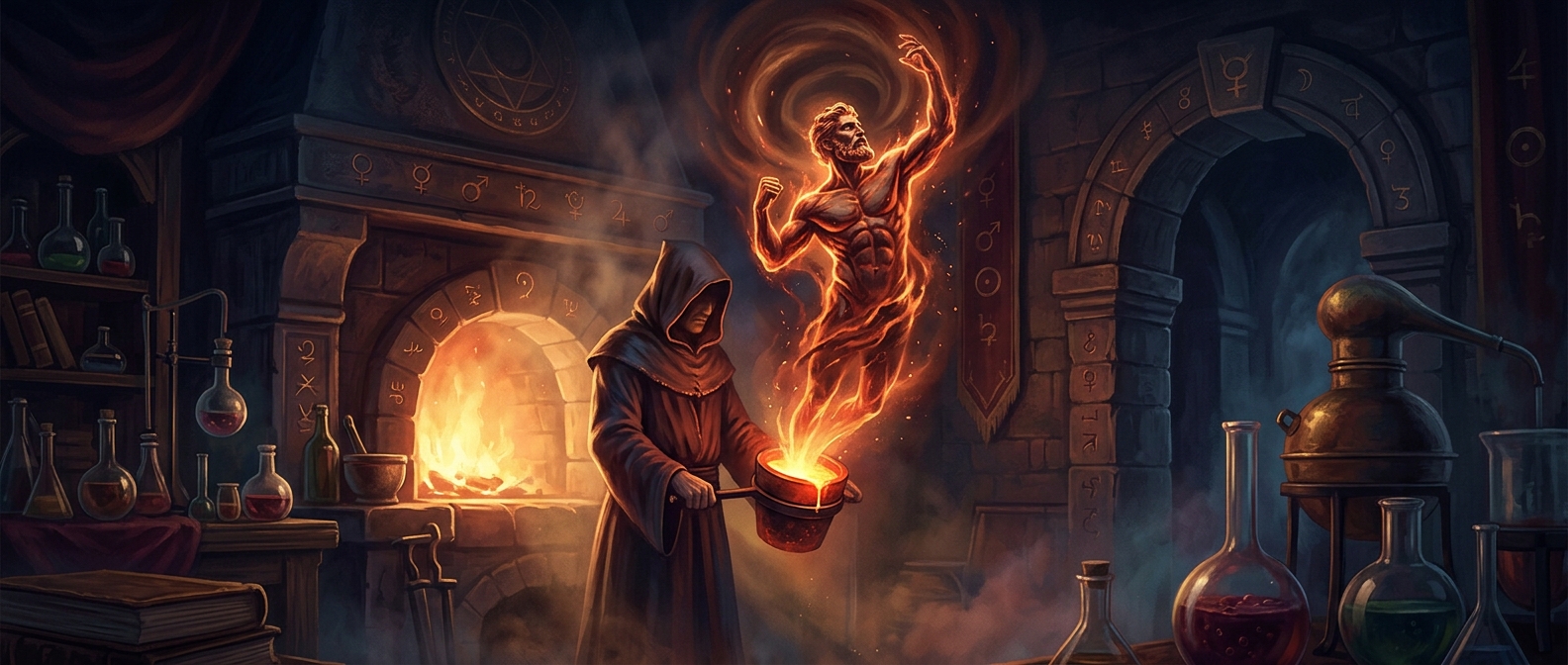
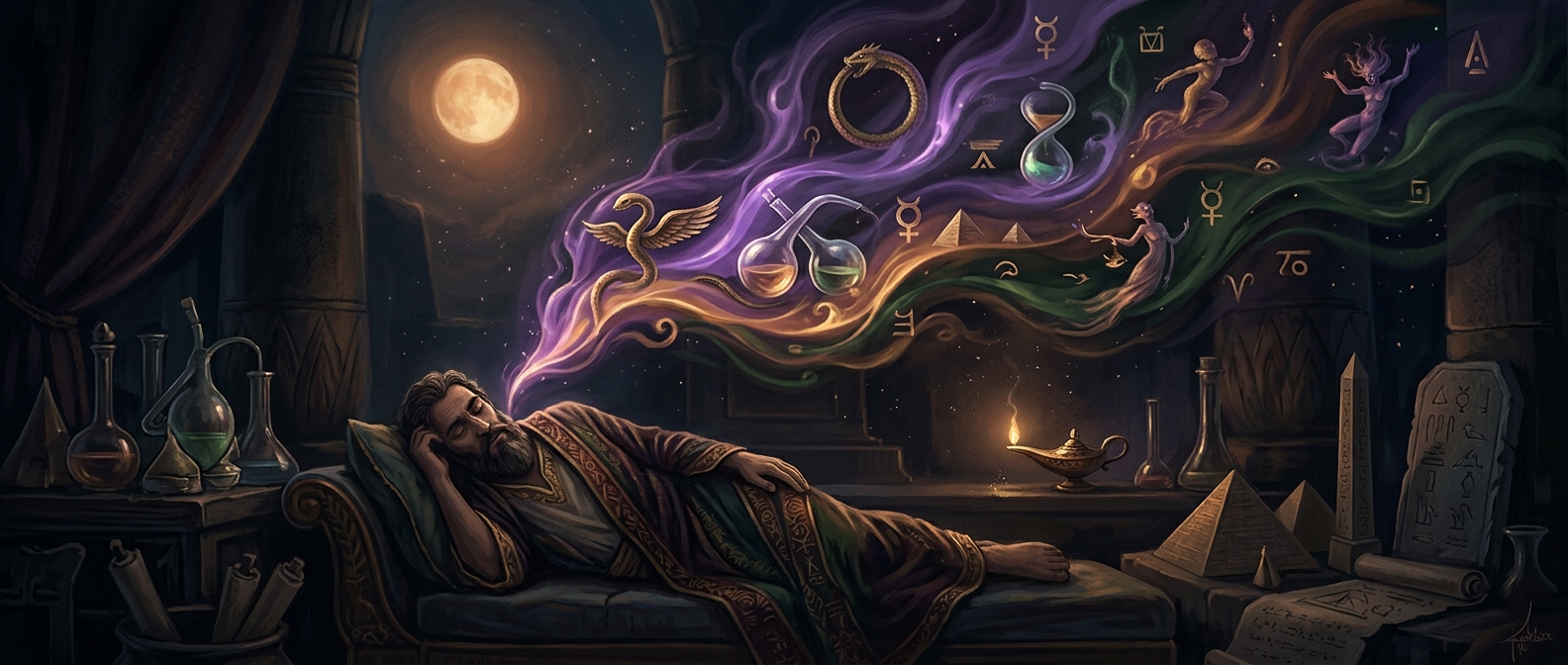
Zosimos of Panopolis, an alchemist writing in Roman-era Egypt, described dreams in which people were tortured, dismembered, boiled, or transformed. He did not present these scenes simply as nightmares. In his writings, he treated them as visions that could disclose how matter changed—and how an alchemist should understand that change.
That connection made sense within ancient alchemy, where practical work with substances and ideas about purification were closely entangled. Heating, dissolving, and recombining materials could be described as a kind of death and renewal. A violent dream image might therefore serve as a symbolic account of a process in the workshop, rather than as a literal instruction to repeat what happened in the vision.
A Workshop Hidden in the Symbolism
Zosimos’s dream accounts are elaborate and difficult to interpret as step-by-step recipes. Their disturbing scenes suggest that transformation requires a material to be broken down before it can be changed. But the visions also present alchemy as more than technique: the operator, the substance, and the search for purification belong to the same story.
That mixture is why his writings can feel both technical and mystical. The dreams did not replace hands-on experimentation; they offered a way to make sense of it. For Zosimos, the furnace’s work and the dreamer’s inner transformation could be two aspects of the same process—an idea that made an alchemical recipe look less like a list of ingredients and more like a passage through destruction toward renewal.