How Hachishakusama Became a Modern Japanese Horror Legend
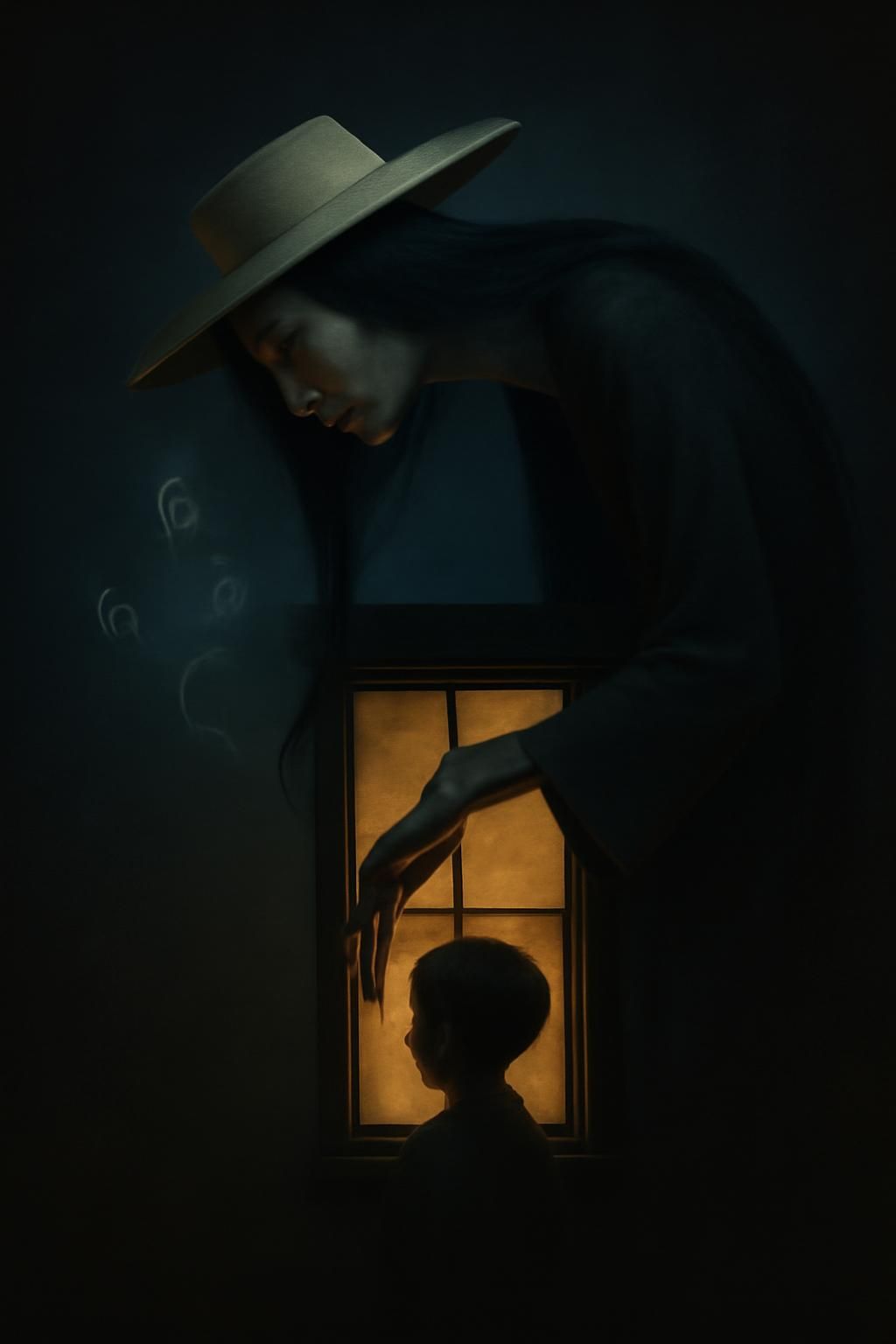
Hachishakusama, whose name means “Eight-Feet-Tall,” is a modern urban legend, not a documented village-wide tradition with one settled version. The story is usually told about a child who catches sight of an impossibly tall woman in a hat. Afterward, her clipped “po… po… po…” sound seems to follow the child, and adults try to keep the figure away until they can get the child to safety.
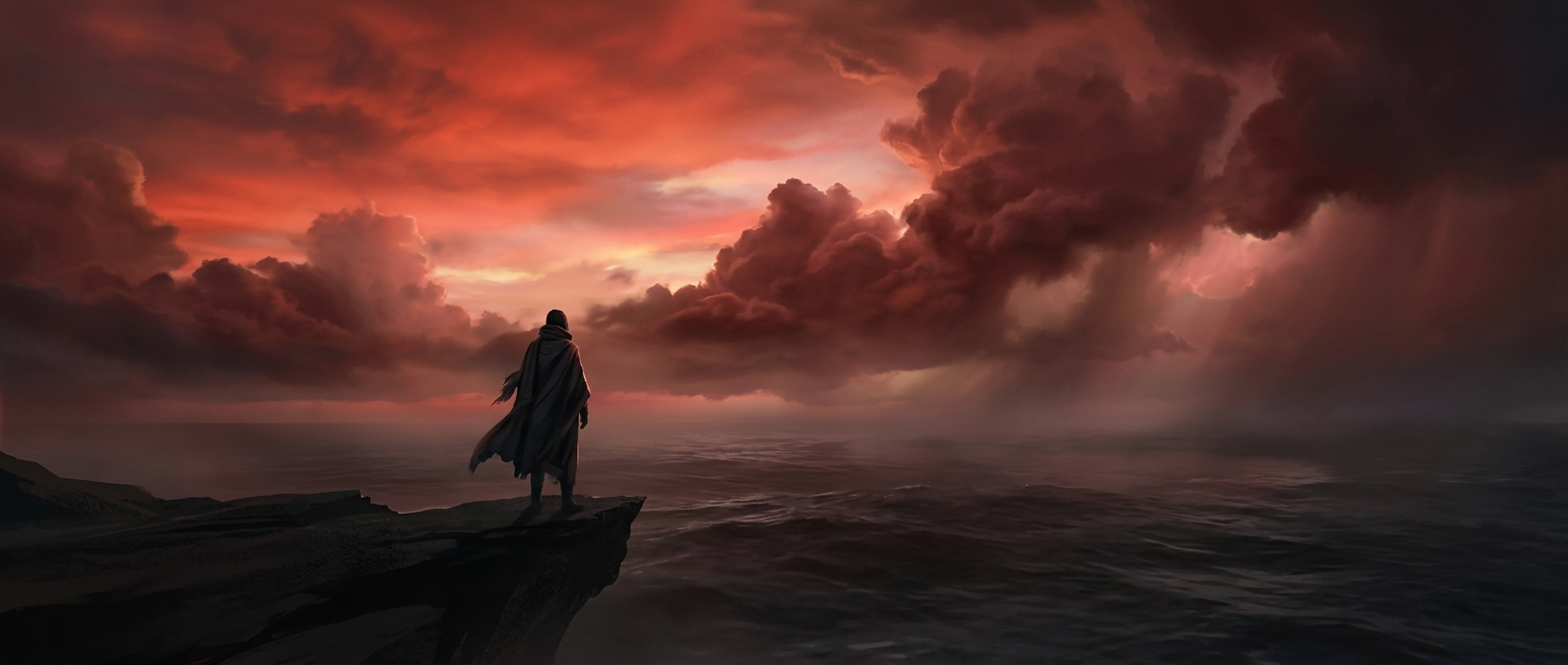
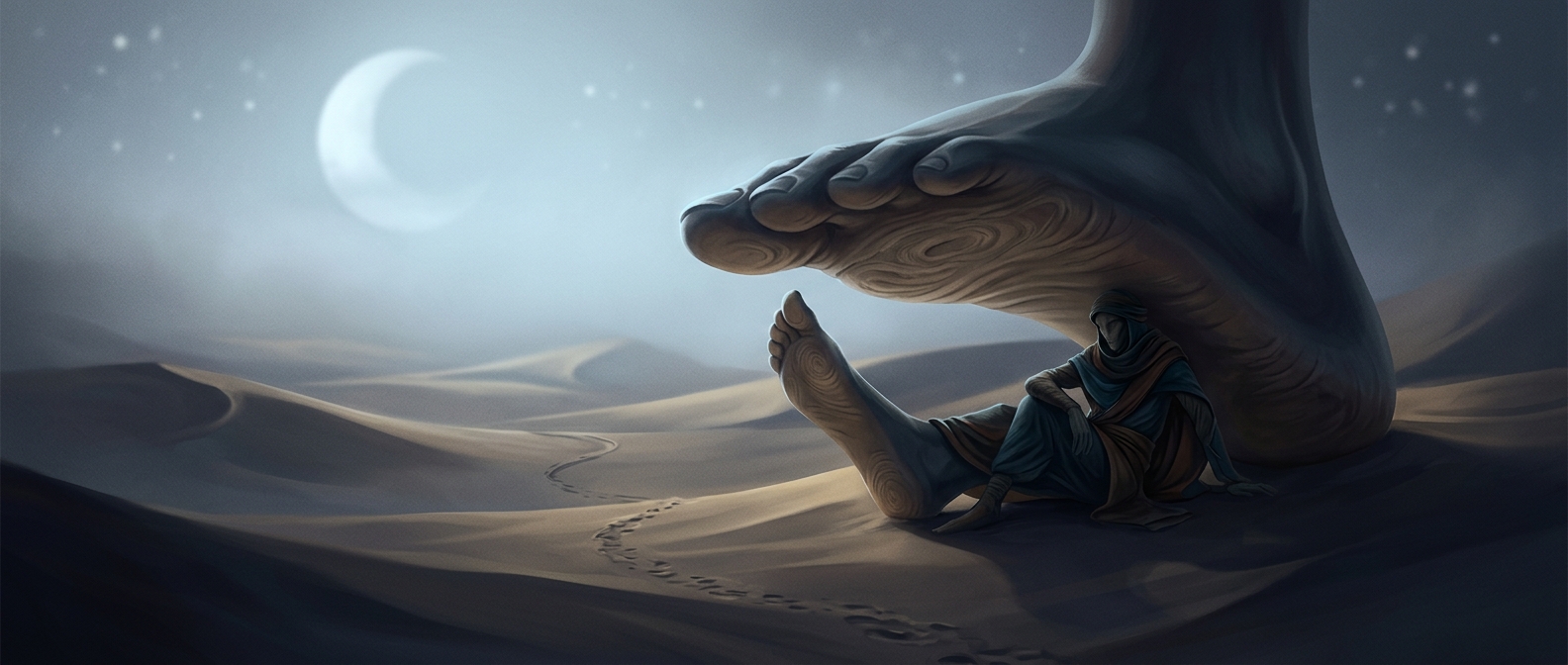
That setup turns ordinary places—windows, fields, a family home—into parts of the threat. The woman’s height makes her hard to hide from and difficult to imagine fitting inside a house; the repeated sound lets the danger seem present even when she is out of sight. The tale’s tension comes less from explaining what she is than from making a familiar landscape feel watched.
Why the Adults’ Rituals Matter
In versions of the story, adults use salt, protective charms, or prayers while keeping the child indoors. These details give the legend a practical rhythm: notice the danger, shut the child away, and call on familiar forms of protection. They also show how fear spreads through a household. The child may not understand the threat, but the adults’ urgency makes it feel real within the story.
Such actions should be understood as folklore motifs, not as proven methods for warding off a supernatural being. Japanese ghost stories often draw on recognizable objects and practices—protective paper charms, for instance—to make an uncanny event feel close to everyday life. The specific customs and plot details can vary from one retelling to another.
A Story Built to Travel
Hachishakusama became widely known through online horror storytelling, where a tale can be copied, adapted, and passed to new audiences without a single authoritative version. Its memorable ingredients—the huge woman, the distant call, the frightened child—are easy to repeat, while local settings and protective measures can change.
That flexibility is part of the legend’s staying power. A sound heard across an empty field does not need a visible monster to make the listener picture one; the story leaves the most frightening part just beyond the window.